
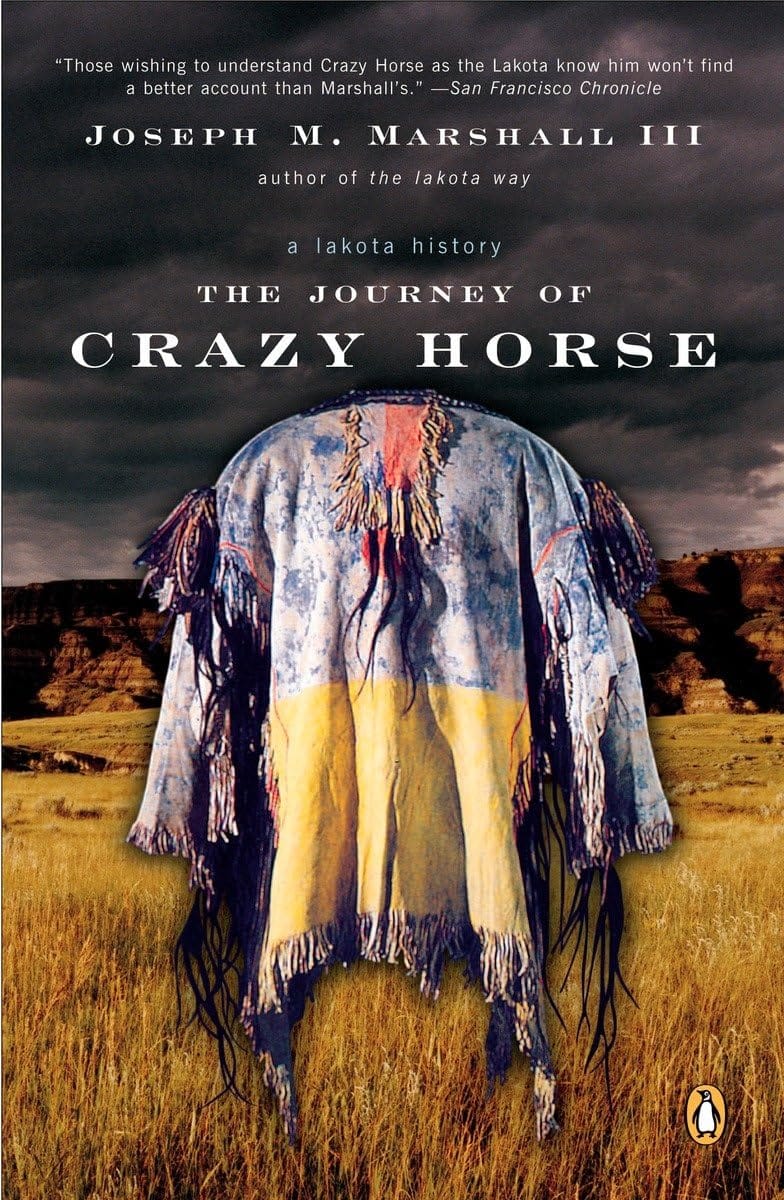
In the vast, windswept plains of the American West, where history is written in the earth and the sky, few names echo with as much reverence and resilience as Crazy Horse. The legendary Oglala Lakota warrior, known to his people as Tȟašúŋke Witkó, remains a powerful symbol of defiance and an unwavering commitment to his people’s way of life. More than just a warrior, he was a visionary, a leader, and a man whose spirit could not be broken. The Story Of Crazy Horse is not merely a chronicle of battles won and lost; it is a profound narrative of a life dedicated to preserving a culture against the relentless tide of westward expansion.
The Formative Years of a Visionary
Born around 1840 in the sacred Black Hills of South Dakota, the man who would become Crazy Horse was initially named “Curly Hair” due to his distinctively light, textured hair. He was known as a quiet and solitary child, often immersing himself in the natural world. His father, a respected Oglala holy man, was also named Crazy Horse. The name was later passed down to his son in a ceremony after the young warrior proved his bravery in battle.
The defining moment of his youth came during a vision quest, a sacred rite of passage for Lakota men. In his vision, he saw a rider on horseback, seemingly floating through a storm, untouched by bullets and arrows. The rider had a single hawk feather in his unbraided hair, a small stone behind his ear, and a lightning bolt painted on his face. This powerful imagery would become his guide and his protection. Throughout his life, Crazy Horse would enter battle prepared in this manner, embodying the spiritual power he had witnessed. This experience cemented his destiny as a protector of his people, a path he would follow with solemn dedication until his final breath.
A Warrior’s Ascent and the Fetterman Fight
Crazy Horse’s reputation as a formidable warrior grew throughout the 1850s and 1860s. He distinguished himself in battles against rival tribes like the Crow and Shoshone, but it was his resistance against the United States military that defined his legacy. The Grattan Massacre of 1854, which he witnessed as a teenager, was a pivotal event that exposed the brutal realities of the conflict and fueled his lifelong distrust of the white settlers.
His tactical genius became undeniable during Red Cloud’s War (1866-1868), a conflict aimed at halting the encroachment of pioneers along the Bozeman Trail. In 1866, he was named a “Shirt Wearer,” a prestigious title for a war leader, recognized for his courage and leadership. His most celebrated achievement during this war was the Fetterman Fight on December 21, 1866. Crazy Horse played a key role in an elaborate decoy operation, luring Captain William J. Fetterman and his command of 81 men into a perfectly executed ambush. Not a single soldier survived, marking it as the U.S. Army’s worst defeat on the Great Plains at the time. This victory solidified his status as a brilliant military strategist. To better understand the complex dynamics of this era, the crazy horse and custer the untold story provides deeper context into the key figures of these conflicts.
What Made Crazy Horse a Great Leader?
Crazy Horse’s leadership was rooted in his humility, bravery, and profound spiritual conviction. Unlike leaders who sought personal glory, he was known for his quiet demeanor, his generosity, and his habit of leading from the front, taking the greatest risks in battle. His dedication was not to his own fame but to the survival and well-being of the Lakota people. This selfless commitment inspired fierce loyalty among his followers.
According to Dr. Sarah Miller, a historian specializing in Native American studies, “Crazy Horse commanded respect not through loud orders, but through quiet courage and a deep, spiritual authority that resonated with his people. He embodied the Lakota ideal of a leader who serves, rather than rules.”
The Great Sioux War and the Battle of the Little Bighorn
Despite the Treaty of Fort Laramie in 1868, which promised the Black Hills to the Lakota, the discovery of gold in the region brought a new flood of prospectors and military forces. This violation led to the Great Sioux War of 1876. The U.S. government ordered all Lakota bands onto reservations, a demand that leaders like Crazy Horse and Sitting Bull flatly refused.
The conflict reached its zenith in June 1876. On June 17, Crazy Horse led a combined force of nearly 1,200 Lakota and Cheyenne warriors in a surprise attack on General George Crook’s column at the Battle of the Rosebud. While technically a draw, the battle was a strategic victory for the native forces, as it stalled Crook’s advance and prevented him from joining General Custer’s 7th Cavalry.
Just eight days later, on June 25, 1876, that decision proved critical. Crazy Horse joined forces with Sitting Bull to lead the Lakota and Cheyenne warriors against Lieutenant Colonel George Armstrong Custer at the Battle of the Little Bighorn, also known as the Battle of the Greasy Grass. Crazy Horse was instrumental in the fight, leading a flanking charge that is credited with overwhelming Custer’s command. The decisive victory for the native tribes became a legendary moment in American history and the most significant defeat for the U.S. Army during the Plains Wars. The epic narrative of this warrior is further captured in the broader crazy horse story, which delves into these pivotal moments.
Surrender and a Tragic End
The victory at Little Bighorn was fleeting. In response to the defeat, the U.S. government intensified its military campaign, pursuing the Lakota bands relentlessly throughout the harsh winter. With his people starving and exhausted, Crazy Horse faced an impossible choice. On May 6, 1877, to save his followers from starvation, he made the difficult decision to surrender at Fort Robinson, Nebraska.
Even in surrender, his presence was imposing. The army officials and rival chiefs grew wary of his influence over the northern bands. Misunderstandings and betrayals fueled by fear and jealousy quickly escalated. In September 1877, fearing he was planning an escape or an uprising, the army attempted to arrest him and lock him in a guardhouse. When he realized the trap and resisted, a soldier stabbed him with a bayonet. The great Oglala war chief, who had never been defeated in battle, died later that night on September 5, 1877. His parents took his body and buried him in a secret location, his final resting place unknown to this day. The enduring legacy of his life is also commemorated in monumental form, a tale told by the crazy horse memorial story.
The Unyielding Legacy of Crazy Horse
The story of Crazy Horse did not end with his death. He refused to be photographed and never signed a treaty, ensuring that his image and his signature would not be possessed by the culture that sought to conquer his people. He remains a figure of immense integrity, a pure symbol of the indigenous spirit of resistance. His life was a testament to a fight for freedom, land, and the preservation of a sacred way of life.
Today, the Crazy Horse Memorial, a massive mountain carving still under construction in the Black Hills, stands as a tribute to his legacy. It serves as a powerful reminder of his courage and the enduring strength of the Lakota people. The story of Crazy Horse continues to inspire generations, not just as a tale of a warrior, but as a profound narrative of a man who lived and died for the freedom of his people. His spirit, much like the wind on the plains, can never be truly captured or contained.
