
Bringing a new puppy into your home is an exciting time, filled with anticipation for the joy and companionship a canine friend will bring. However, the journey to finding your perfect puppy can be fraught with challenges, particularly concerning the unethical practices of “puppymills.” These large-scale breeding facilities prioritize profit over the health and well-being of their animals, often housing dogs in deplorable conditions and contributing to a cycle of neglect and suffering. Understanding the red flags associated with puppymills and prioritizing reputable breeders is crucial for any prospective dog owner.
The primary goal when acquiring a new puppy should be to ensure they are healthy, well-socialized, and come from a responsible source. This involves not only recognizing the signs of a trustworthy breeder but also being acutely aware of the deceptive tactics employed by puppymills. Many online platforms and even some pet stores act as fronts for these operations, making it difficult for unsuspecting buyers to discern genuine breeders from those who exploit animals for financial gain.
Identifying Puppymill Red Flags
Several key indicators can help you steer clear of puppymills. One of the most significant red flags is a breeder who only offers shipping for their puppies. While some reputable breeders may offer shipping options under specific circumstances, a breeder who insists on it and discourages or prohibits in-person visits, even for puppy pickup, should raise immediate suspicion. Furthermore, if you are unable to directly contact the individual breeder responsible for the puppies, or if visitations to the breeder’s home are strictly disallowed, it is a strong indication that you may be dealing with a puppymill.
It is crucial to understand that the prevalence of online advertising can be misleading. Websites that boast numerous appealing photographs do not guarantee the legitimacy of the breeder, as these images can often be stolen from other reputable sources. Therefore, relying solely on pictures to assess a breeder’s credibility is not advisable.
The Harsh Reality of Puppymills
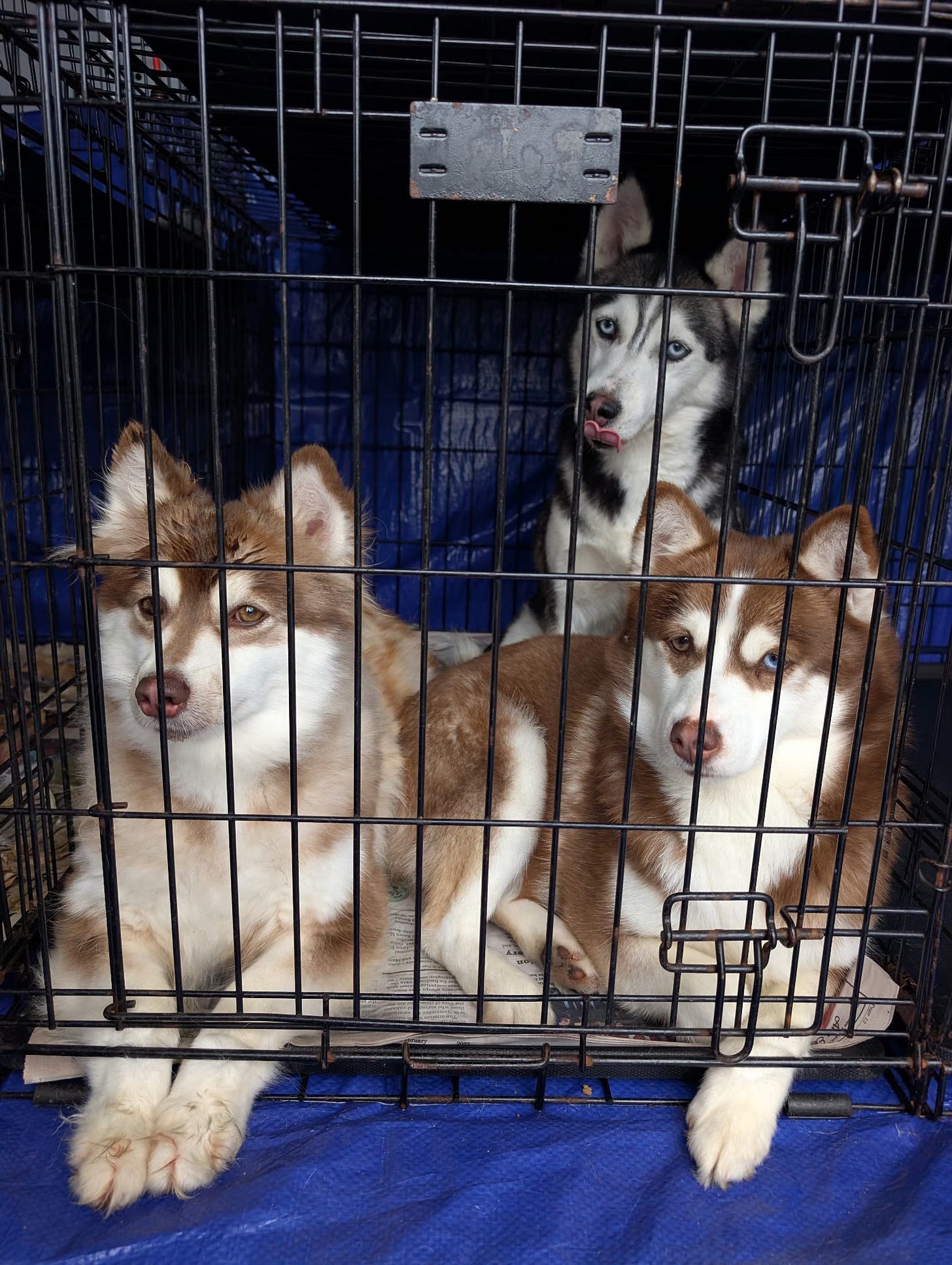
Puppymills are massive breeding facilities where dogs are treated as mere commodities. The dogs within these operations are typically housed in shockingly poor conditions, often confined to small, filthy cages where they are forced to live in their own feces. They are bred repeatedly until they are no longer capable of producing litters, with minimal human contact and often suffering from severe neglect. This environment leads to a host of health issues, including parasitic infestations, horrific wounds, and chronic illnesses.
Many individuals unknowingly become owners of dogs from puppymills. The consequence of purchasing a puppy from such a facility is a significant risk of genetic diseases or a puppy that is already sick and requires extensive, costly medical care or lifelong medication to live a normal life. The sad reality is that these puppymills thrive because many buyers are unaware of the cruelty involved. Purchasing a puppy from a puppymill does not “rescue” the animal; instead, it perpetuates the cycle of torture and exploitation for countless other dogs. It is estimated that over 4 million dogs are bred in puppymills annually, a number that continues to grow. Over 95% of puppies sold for profit in pet stores originate from these cruel facilities, as current laws are often insufficient to protect these animals from neglect and exploitation.
Ensuring a Responsible Purchase
When searching for your new canine companion, prioritize breeders who welcome visits, allow you to see the puppies with their mother, and can provide detailed health records. Responsible breeders are passionate about their dogs’ welfare and are transparent about their breeding practices. They will also be knowledgeable about the breed’s specific needs and potential health concerns.
If you are considering a specific breeder, especially one located at a distance, be extra cautious. Always try to arrange a visit, even if it’s just to pick up the puppy. If a breeder refuses any form of in-person interaction or discourages questions about the parents and living conditions, it is best to look elsewhere. Your diligence in selecting a responsible breeder directly contributes to combating the inhumane practices of puppymills and ensures you bring home a healthy, happy puppy.
Conclusion: Prioritizing Health and Ethics
The decision to welcome a dog into your life comes with a responsibility to ensure their well-being from the very start. By understanding and recognizing the warning signs of puppymills, and by committing to working with ethical and transparent breeders, you can make an informed choice that benefits both your future pet and the broader animal welfare community. Choosing a puppy from a reputable source means supporting humane breeding practices and rejecting the cruelty inherent in puppymill operations.
If you are in doubt about a breeder’s practices, it is always better to err on the side of caution and seek out alternatives. Many breed-specific rescue organizations and reputable shelters also have wonderful dogs of all ages looking for loving homes. Your commitment to ethical sourcing ensures a brighter future for countless animals.
