
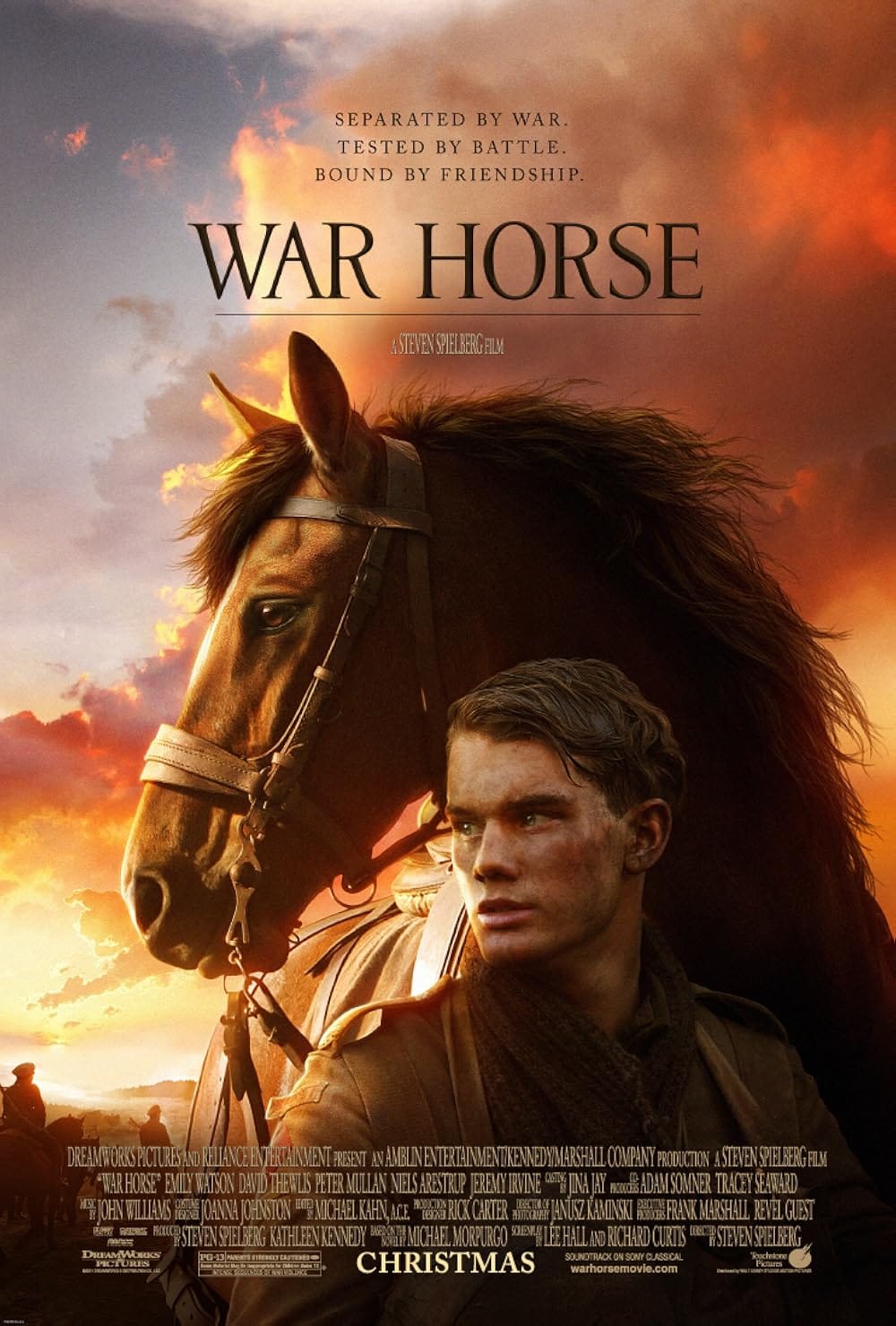
The “War Horse” story, a narrative that has captivated audiences across novels, stage, and screen, is more than just a tale of a boy and his horse. It’s a profound exploration of the human-animal bond set against the brutal backdrop of World War I, highlighting themes of courage, resilience, and the devastating impact of conflict. At its heart, the story delves into the unbreakable connection between Albert Narracott and his beloved horse, Joey, a bond that transcends the horrors of war and embodies the enduring spirit of hope.
The journey of Joey begins on an English farm, where he is purchased by Albert’s father. Despite initial doubts about his ability to handle such a powerful animal, Albert forms an immediate and deep connection with Joey. Their days are filled with the simple joys of rural life, training Joey to plow fields and becoming an inseparable pair. This idyllic existence, however, is shattered by the outbreak of World War I. Facing financial ruin and desperate to protect Joey from being sold, Albert’s father reluctantly agrees to sell Joey to the army for use in the war effort. Albert, heartbroken but resolute, promises Joey that he will find him, no matter what.
Joey’s Ordeal on the Western Front
Joey’s entry into the military marks the beginning of his harrowing experiences as a war horse. He is trained for cavalry charges, equipped with heavy armor, and thrust into the terrifying realities of trench warfare. The initial optimism of the cavalry is quickly crushed by the machine guns and artillery of the German forces. Joey witnesses firsthand the carnage and futility of war, experiencing the loss of comrades, both human and equine. He is passed between different owners and sides, serving first the British cavalry and then, tragically, the German army, forced to pull artillery through treacherous terrain. During this time, Joey endures immense hardship, starvation, and the constant threat of death.
Encounters and Miracles on No Man’s Land
The narrative skillfully portrays Joey’s remarkable resilience and his ability to forge connections even in the direst circumstances. He forms a unique bond with Topthorn, a strong and stoic German cavalry horse, sharing their meager rations and offering each other silent companionship amidst the desolation. Their partnership becomes a symbol of shared suffering and mutual reliance. Later, during a desperate charge, Joey and Topthorn find themselves trapped by barbed wire in No Man’s Land. It is here, in the desolate space between enemy trenches, that an extraordinary event unfolds. A young German soldier, Rudi, and a British soldier, Trooper Warren, independently decide to cut Joey free from the wire, an act of compassion that transcends the lines of conflict.
This moment of shared humanity, where both sides recognize Joey’s suffering and act to save him, is a pivotal point in the story. It underscores the idea that even in the midst of brutal warfare, empathy and kindness can emerge. Joey’s survival is a testament to his own strength and the unexpected acts of bravery and compassion shown by those who encounter him. The scene of the two soldiers simultaneously working to free Joey from the barbed wire is a powerful visual metaphor for the shared humanity that war attempts to extinguish.
Albert’s Determined Search
Meanwhile, Albert, who had been deemed unfit for active duty due to a gas attack, is relentless in his quest to find Joey. He endures his own hardships, working in various capacities within the military, always with the singular goal of locating his beloved horse. His determination is fueled by the promise he made to Joey and the profound bond they share. His search takes him through military hospitals and the grim realities of the front lines, where he witnesses the full scale of the war’s devastation. The emotional weight of his journey is palpable, as he navigates a world torn apart by conflict, holding onto the hope of reunion.
The Climax and Reunion
The story culminates in a dramatic and emotionally charged reunion. On the last day of the war, as a ceasefire is announced, Joey is put up for auction in a chaotic field hospital. Both Albert and a French girl named Emilie, who had also cared for Joey, are present, desperately trying to win him. In a poignant turn of events, a kindly British officer, witnessing the intense connection between Albert and Joey, outbids Emilie and gifts Joey to Albert. The reunion is an outpouring of relief and joy, a powerful affirmation of their enduring bond. It’s a moment that encapsulates the story’s central theme: the strength of love and loyalty in the face of overwhelming adversity. This scene is not just about a boy finding his horse; it’s about finding solace and a sense of normalcy after experiencing the unfathomable.
Legacy and Themes of “War Horse”
The “War Horse” story resonates deeply because it explores universal themes that are relevant to any generation. It’s a powerful anti-war statement, illustrating the immense suffering inflicted upon both humans and animals by conflict. Joey’s experiences highlight the often-overlooked role of animals in warfare and the devastating consequences they endure. The narrative also celebrates the extraordinary resilience of the spirit, both human and animal, and the profound, life-affirming power of love and companionship. The bond between Albert and Joey serves as a beacon of hope, demonstrating that even in the darkest of times, such connections can sustain us and ultimately lead us home. The story reminds us of the shared humanity that binds us, even across enemy lines, and the profound capacity for empathy that exists within us all.
The enduring popularity of the “War Horse” narrative speaks to its timeless message. It reminds us that stories of courage, sacrifice, and unwavering loyalty can transcend the brutality of war, offering a powerful testament to the enduring strength of the bond between humans and animals. The narrative serves as a poignant reminder of the sacrifices made during World War I and a timeless tribute to the animals who played their part. To understand more about the historical context and the role of animals in war, one might explore what happened to the horse in neverending story, although the context of warfare in that tale differs significantly. The enduring power of such narratives often inspires further exploration into related historical accounts.
Frequently Asked Questions about the “War Horse” Story
Q: Who wrote the original “War Horse” story?
A: The original “War Horse” novel was written by Michael Morpurgo, first published in 1982.
Q: What is the main message of the “War Horse” story?
A: The main message revolves around the horrors of war, the resilience of the human and animal spirit, and the profound, unbreakable bond between a boy and his horse.
Q: How did Joey survive World War I?
A: Joey survived through a combination of his own strength and resilience, the care he received from various individuals (both British and German), and a series of fortunate events, including being freed from barbed wire and eventually reunited with Albert.
Q: What is the significance of Topthorn in the story?
A: Topthorn represents a different facet of the war horse experience, a seasoned cavalry horse who becomes Joey’s friend and mentor on the battlefield, symbolizing shared suffering and camaraderie.
Q: Is the “War Horse” story based on a true story?
A: While Michael Morpurgo was inspired by accounts of horses used in World War I, the specific story of Albert and Joey is fictional. However, it is grounded in the historical reality of the immense suffering endured by war horses.
Q: Where can I experience the “War Horse” story?
A: The story is available as a novel, a highly successful stage play, and a major motion picture directed by Steven Spielberg.
The story of Joey and Albert is a powerful reminder of the sacrifices made during wartime and the enduring strength of the bonds that connect us. It’s a narrative that continues to inspire and move audiences, emphasizing the profound impact of war and the unyielding hope found in love and loyalty.
