
Life is a series of unpredictable events, a chain of moments we quickly label as “good” or “bad.” We celebrate a promotion and mourn a loss, believing we understand the true nature of each event. But what if our judgment is premature? An ancient and profound Story About The Farmer And The Horse challenges this very notion, offering a timeless lesson in perspective and acceptance. This simple tale, passed down through generations, invites us to look beyond immediate circumstances and embrace the beautiful uncertainty of life’s journey. It’s a narrative that resonates deeply, much like the equally insightful zen story farmer and horse, teaching us that what appears to be a disaster might just be a blessing in disguise.
The Unfolding Tale: The Farmer and His Horse
The narrative begins on a small farm in a quiet, rural village. Here lived an old farmer, a man known for his calm demeanor and his deep connection to his land and animals. His most prized possession was a magnificent stallion.
One day, the horse, startled by a sudden noise, broke through the fence and galloped away into the wild hills. The farmer’s neighbors quickly gathered to offer their condolences. “What terrible luck!” they exclaimed. “Your only horse is gone. This is a disaster.”
The farmer simply listened, nodded, and replied, “Maybe. Good luck, bad luck, who knows?”
A week later, to everyone’s astonishment, the horse returned. It was not alone. Following behind it was a herd of wild horses, drawn to the stallion. The farmer and his son calmly corralled them, suddenly finding themselves with a dozen horses instead of just one. The neighbors rushed back, this time with congratulations. “What incredible fortune!” they cheered. “This is a true blessing!”
The old farmer, maintaining his tranquil composure, responded once more, “Maybe. Good luck, bad luck, who knows?”
A few weeks passed. The farmer’s son, while trying to tame one of the new wild horses, was thrown violently to the ground. His leg was badly broken, leaving him unable to walk or help with the farm work. Again, the villagers came to the farmer. “Your son is injured! This is a terrible curse,” they lamented. “That ‘good luck’ has brought you nothing but pain.”
And again, the farmer replied with his familiar, quiet wisdom, “Maybe. Good luck, bad luck, who knows?”
Not long after, the emperor’s army marched into the village. They were conscripting every able-bodied young man for a brutal and distant war. Families wept as their sons were taken away, many never to return. But when the soldiers saw the farmer’s son with his broken leg, they passed him by. His injury had saved him. The story reminds us of the unpredictable nature of fate, a theme also explored in a farmer and his horse story.
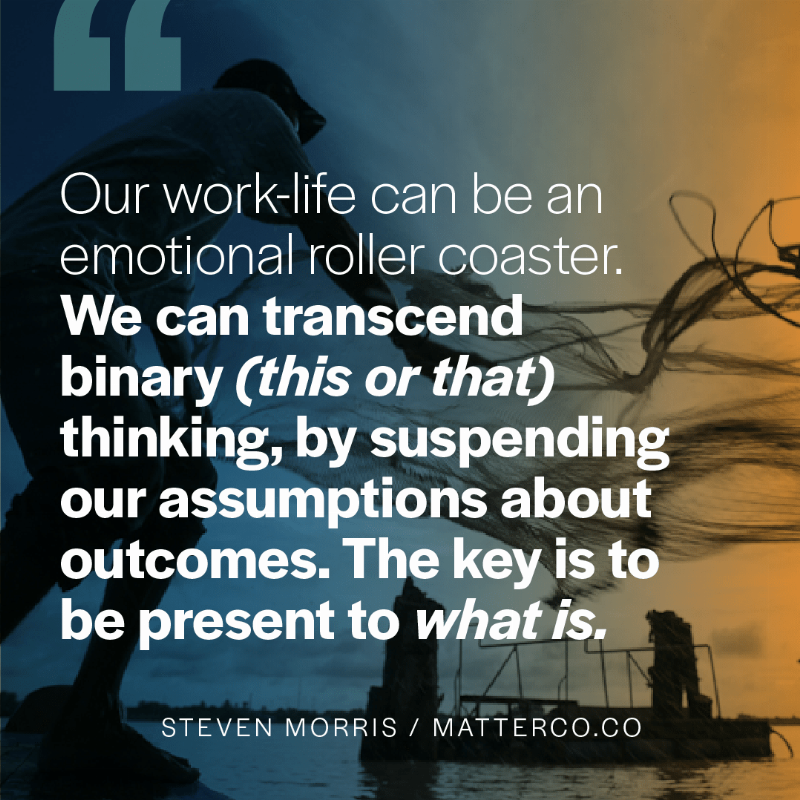 The story about the farmer and the horse illustrating the concept of changing fortunes.
The Core Wisdom: Beyond Good and Bad
At its heart, the story about the farmer and the horse is a powerful lesson in non-judgment. It teaches us that our initial perception of an event is incredibly limited. We see only a tiny fragment of a much larger, interconnected tapestry of cause and effect.
The Illusion of Fortune and Misfortune
We live in a world that demands immediate categorization. We are conditioned to label events as positive or negative the moment they occur. This story gently dismantles that habit.
- The Lost Horse: Initially seen as a great loss (bad luck).
- The Return with More Horses: Hailed as a fantastic gain (good luck).
- The Son’s Broken Leg: Perceived as a tragic accident (bad luck).
- Escaping the Draft: Revealed as a life-saving event (good luck).
Each event’s “meaning” was entirely dependent on what happened next. The farmer’s wisdom wasn’t in predicting the future but in understanding that the true nature of an event cannot be known from a single snapshot in time.
As Dr. Alan Reid, a scholar of Eastern philosophy, explains, “The farmer embodies the Taoist concept of Wu Wei, or effortless action. He doesn’t waste energy on premature celebration or despair. He accepts what is, allowing the natural flow of life to unfold without resistance or rigid labels.”
How to Cultivate the Farmer’s Perspective
Embracing the wisdom from this ancient tale isn’t about becoming passive or indifferent. It’s about cultivating a more resilient and peaceful mindset. This approach is central to understanding the lessons within the story of the chinese farmer and the horse.
Here’s how you can apply this perspective to your own life:
- Pause Before You Judge: When something happens, whether you initially perceive it as good or bad, take a breath. Remind yourself of the farmer. Instead of reacting with intense emotion, introduce a gentle “maybe” into your thoughts.
- Widen Your Time Horizon: Think about past events in your life that you initially thought were terrible. Can you now see how some of them led to unexpected positive outcomes? Perhaps a job loss led you to a better career, or a difficult breakup opened the door to a more fulfilling relationship. Recognizing this pattern in your past makes it easier to trust the process in the present.
- Focus on What You Can Control: The farmer couldn’t control his horse running away or the army’s arrival. He could only control his response. Focus your energy on your actions and your mindset, rather than on external events that are beyond your influence.
- Practice Gratitude for the Present: The farmer’s peace came from accepting the present moment as it was. By not being attached to outcomes, he was free to simply be. Practice gratitude for what you have right now, without projecting it as a permanent state of “goodness.”
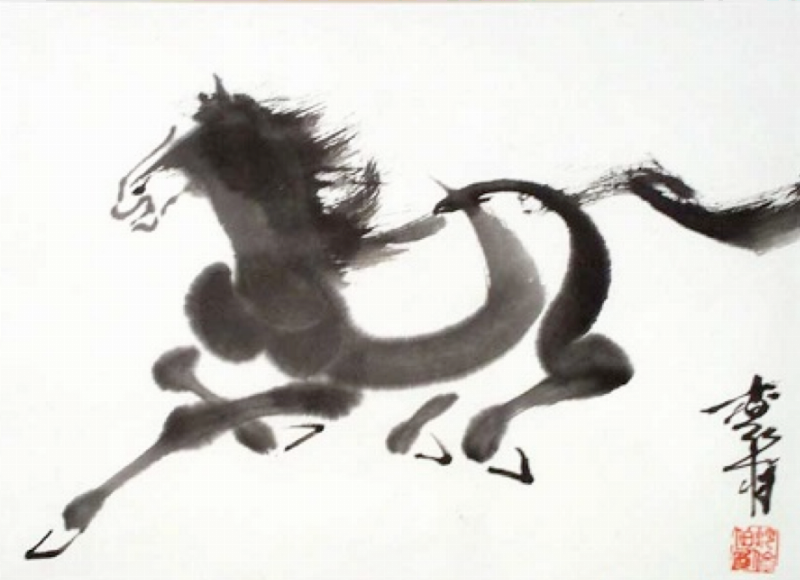 Applying the wisdom from the story about the farmer and the horse to modern life choices.
The Story in Modern Life
The relevance of the story about the farmer and the horse is perhaps greater today than ever before. In a hyper-connected world filled with constant news cycles and social media updates, we are bombarded with reasons to feel anxious or celebratory at a moment’s notice.
Consider these modern scenarios:
- You don’t get the promotion you worked tirelessly for. Bad luck? Maybe. The role you stay in might lead to a different, more significant opportunity you couldn’t have foreseen.
- Your flight is canceled, ruining your vacation plans. Bad luck? Who knows? You avoid a potential travel nightmare or end up having a more relaxing and meaningful staycation.
- A new highway is built near your home, causing noise. Bad luck? Perhaps. But it might also increase your property value or provide easier access to a new job.
This ancient parable teaches us to hold our life’s events a little more lightly. It encourages a humble recognition of our limited understanding. There is a great freedom that comes from releasing the need to have everything figured out immediately. The narrative shares a philosophical core with the buddhist story farmer horse, which also delves into themes of attachment and perception.
Frequently Asked Questions (FAQ)
What is the main message of the story of the farmer and his horse?
The central message is that it is wise to suspend judgment about whether an event is “good” or “bad.” The true consequences of any event are complex and unfold over time, so our initial perception is often incomplete and misleading.
Where does the story about the farmer and the horse originate?
The story is an ancient Chinese parable, often associated with Taoist philosophy. It is found in the Huainanzi, a 2nd-century BC Chinese text that blends Taoist, Confucianist, and Legalist concepts.
How is this story related to Taoism?
It perfectly illustrates key Taoist principles, such as accepting the natural flow of the universe (the Tao), the folly of rigid labels and judgments, and the interconnectedness of seemingly opposite concepts like fortune and misfortune.
Is the farmer being pessimistic or optimistic?
The farmer is neither. He transcends both optimism and pessimism. Instead of hoping for the best or expecting the worst, he practices neutrality and acceptance, which allows him to maintain inner peace regardless of external circumstances.
How can I apply this story to deal with anxiety?
This story can be a powerful tool against anxiety. Anxiety often stems from catastrophizing—imagining the worst possible outcome of an event. By adopting the farmer’s “who knows?” mindset, you can interrupt this pattern and acknowledge that you don’t actually know the full story yet, which can reduce the power of anxious thoughts.
A Final Thought on Fortune
The enduring power of the story about the farmer and the horse lies in its profound simplicity. It doesn’t offer a magic formula for success or happiness. Instead, it offers something far more valuable: a path to resilience and inner peace. By learning to embrace life’s inherent uncertainty and to view events from a broader perspective, we can navigate our journey with less fear and more grace. The next time you face a sudden turn of events, remember the wise old farmer and ask yourself: “Good luck, bad luck, who knows?”
