
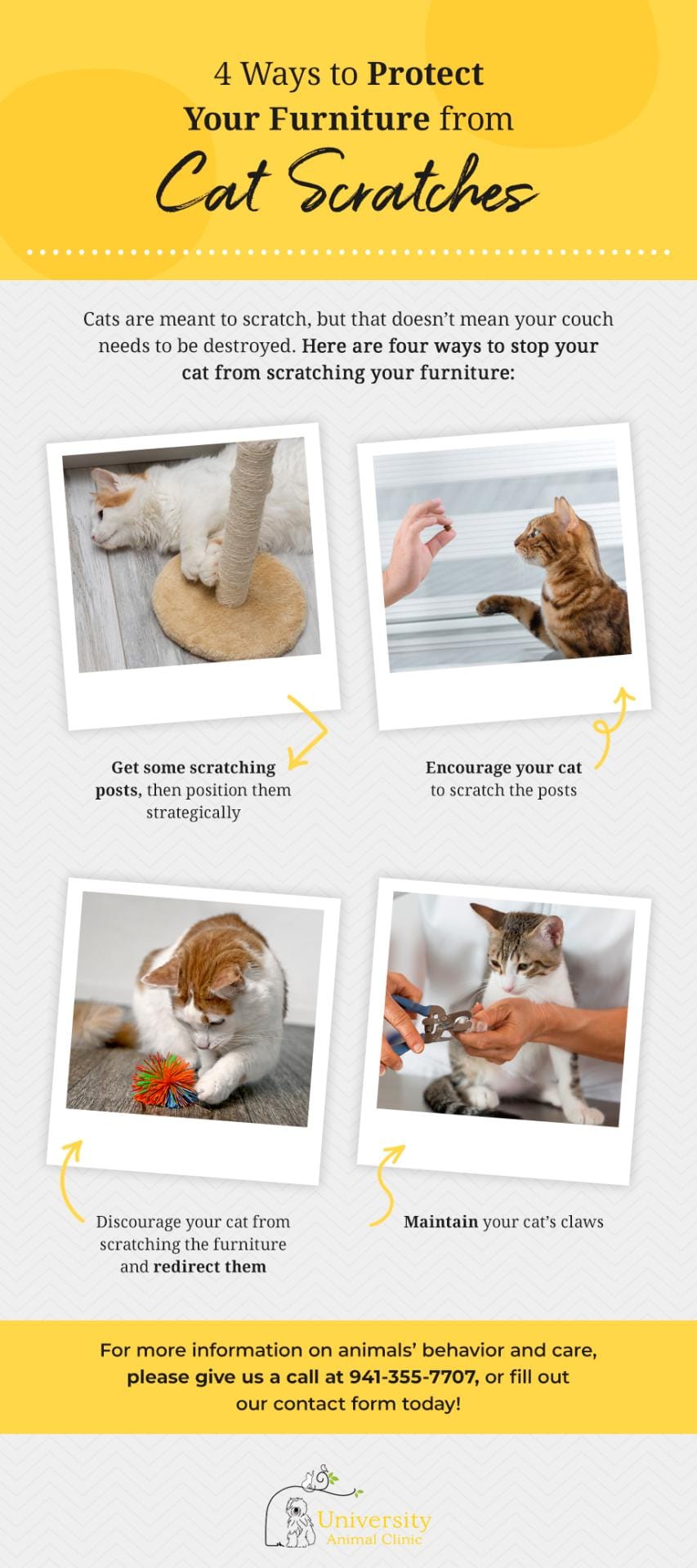
Scratching is a natural and essential behavior for cats, serving purposes from marking territory and stretching muscles to maintaining nail health and relieving stress. Instead of attempting to stop this instinct, the key is to redirect it to appropriate scratching surfaces. By understanding why cats scratch and providing suitable alternatives, you can effectively protect your furniture and flooring while keeping your feline companion happy and healthy.
Scratching behaviors typically emerge by 8 weeks of age. This action allows cats to visually mark their territory and deposit pheromones from scent glands in their paws, signaling their health, sex, and breeding status to other cats. It’s also how they shed the outer layer of their claws to reveal a sharper new layer, crucial for hunting and self-defense. The physical act of scratching provides a full body stretch and helps alleviate muscle tension, while also releasing calming brain chemicals that reduce anxiety and overexcitement. In the wild, cats often scratch vertical surfaces like tree trunks, leaving visual and scent marks at eye and nose level for other felines. This natural preference translates to household cats targeting upright furniture like couch arms or unvarnished wooden legs, which offer easy-to-rip fabrics and splintering wood.
Why Cats Scratch Floors and Carpet
While vertical surfaces are favored for territorial marking, horizontal surfaces like carpet can also become targets for scratching. These may be less appealing for scent marking due to their position, but they are excellent for stretching, nail maintenance, and stress relief. Cats naturally gravitate towards sturdy, immovable objects for scratching, and carpet often fits this bill, providing enough give for claws to sink in. Some cats simply have a preference for horizontal scratching, or enjoy both vertical and horizontal scratching. Understanding your cat’s preference is crucial for implementing the most effective redirection strategies.
Effective Strategies to Prevent Furniture Scratching
The first step in redirecting scratching behavior is to provide attractive alternatives. Scratching posts are excellent tools for this purpose. They should be tall enough to allow your cat to fully stretch and have a stable base to prevent tipping, which could startle or injure them.
Selecting the Right Scratching Post Material
A cat’s preference for scratching material can vary significantly. Observe your cat’s current scratching habits on furniture to identify clues about their preferred textures. You may need to offer a variety of materials, including upholstery fabric, sisal rope, carpet, wood, and cardboard, to discover what your cat likes best. The angle and orientation of the scratching post are also important factors. For instance, a cat that enjoys vertical scratching with sisal might appreciate the Frisco by Chewy Cactus Cat Scratching Post. Conversely, a cat preferring horizontal scratching with cardboard might favor The Original Scratch Lounge Cat Toy or the PetFushion Ultimate Cat Scratcher Lounge Toy. Choose the right scratching post that caters to your cat’s individual preferences.
Strategic Placement of Scratching Posts
Once you’ve identified your cat’s preferred scratching material, strategically place the scratching posts. Position them near the furniture your cat frequently scratches and in areas where your cat and family spend a lot of time. Cats are social animals and prefer their resources, including scratching posts, to be relatively close to household members. Avoid hiding scratching posts in secluded areas. Some cats may also appreciate a scratching post near their sleeping area, as they often scratch upon waking. In multi-cat households, providing multiple scratching posts is essential to prevent competition and ensure all cats have access to an appropriate outlet.
Encouraging Use of Scratching Posts
To encourage your cat to use the new scratching posts, you can model the behavior by gently running your fingernails over the post. This creates an intriguing sound and visual cue that may draw your cat’s curiosity. Sprinkling catnip on the post or offering high-value treats and praise whenever your cat uses the post instead of the furniture can further reinforce the desired behavior.
Gentle Deterrents for Furniture
Discouraging your cat from scratching furniture is also crucial. Motion-detection air spray cans placed near the furniture can emit a hissing sound when the cat approaches, interrupting the behavior. It’s important that the sound is brief and not overly loud, as excessive noise can induce fear and anxiety. The goal is to interrupt the unwanted scratching, redirect attention to the scratching post, and reward its use. Other effective deterrents include:
- Citrus-based sprays: Most cats dislike the smell of citrus.
- Double-sided sticky tape: This feels unpleasant to their paws without causing harm.
- Furniture covers: Blankets or plastic sheets can protect furniture.
- Enzymatic cleaners: Use these on previously scratched areas to neutralize scent pheromones that attract cats.
- Pheromone sprays: Products like Feliway Classic Calming Spray mimic natural feline facial pheromones, which cats associate with safety and familiarity. Applying this to targeted furniture can deter scratching.
- Nail maintenance: Regular nail trims and claw caps can reduce damage, but they are most effective when combined with providing suitable scratching alternatives.
Addressing Underlying Anxiety and Boredom
Excessive scratching can sometimes be a sign of underlying anxiety or boredom. Calming supplements, such as Purina Pro Plan Calming Care probiotic powder, or veterinary-prescribed medications like fluoxetine (Prozac) or sertraline (Zoloft) may help. It’s crucial to consult your veterinarian before administering any medications or supplements. Providing ample enrichment activities is also beneficial. This can include cat trees, window perches for bird-watching, interactive play sessions, and secure outdoor enclosures (“catios”). Consider professional guidance from a Certified Applied Animal Behaviorist (CAAB) or a board-certified veterinary behaviorist for persistent issues. These specialists can help develop tailored behavior modification plans, potentially incorporating medication and supplements.
Managing Carpet and Flooring Scratching
Many of the same principles used for furniture scratching apply to horizontal surfaces like carpet and flooring. Experiment with different horizontal scratching board materials that mimic the texture of the flooring your cat targets. Fabric-based or cardboard scratching boards are often appealing due to their texture and ease of tearing. Ensure these boards are stable and allow your cat to fully extend their claws. Place multiple boards in prominent areas, especially near carpets or flooring your cat favors for scratching. Deterrents like citrus sprays and enzymatic cleaners can also be used on carpets, while positive reinforcement with treats and praise should be given when your cat uses the scratching boards. Regular nail trimming and claw caps can further mitigate damage. For anxiety-driven floor scratching, seek professional behavioral advice.
What to Avoid When Addressing Cat Scratching
Declawing is Harmful
Declawing, the surgical removal of a cat’s claw and the first toe bone, is a painful and drastic procedure. It does not eliminate a cat’s instinct to scratch, but rather frustrates them, potentially leading to anxiety, aggression, and biting.
Punishment is Ineffective
Never punish your cat for scratching. Yelling, spraying with water, or throwing objects can induce fear and anxiety, damage your bond, and cause your cat to scratch when you are not present. Cats learn best through positive reinforcement for desired behaviors and a lack of attention for undesirable ones.
Forcing is Counterproductive
Physically forcing your cat to use a scratcher can be perceived as a threat, leading to fear, anxiety, or aggression. This can severely damage the trust between you and your cat. Positive encouragement and appropriate redirection are far more effective.
Written by:
Dr. Hannah Hart, DVM
Dr. Hart graduated from veterinary school in 2017 and began her career with USDA Food Safety and Inspection Service as a public health veterinarian. She has a passion for animal welfare and a strong interest in preventative care and behavior.
