
Bringing a new puppy home is a joyous occasion, but it often comes with a steep learning curve. Beyond basic obedience, you’ll find yourself teaching your furry friend a myriad of life skills: adapting to household rules, interacting with humans, managing their diet, grooming routines, sleep schedules, and so much more. This adjustment period can be challenging for both you and your new companion.
During this time, you might encounter some peculiar behaviors, one of which is your dog occasionally urinating inside the house. And, of course, cleaning up these messes is another task entirely. Don’t fret; these accidents are a normal part of most dog owners’ experiences. However, when indoor urination becomes a recurring problem, it signifies a need for focused attention and supervision. This article aims to address the common question: “How to stop a dog from urinating in the house?” We will delve into effective strategies and provide the guidance you need to manage your dog’s inappropriate urination with the right approach and a good dose of patience.
Understanding Why Dogs Pee Indoors
There are several key reasons why your dog might be choosing to relieve themselves indoors. Understanding these underlying causes is the first step before we explore prevention strategies.
1. Incomplete House Training
Newly adopted pets and young puppies require consistent and effective potty training. Without it, accidents are almost inevitable. The most successful approach to house training a puppy involves teaching them the fundamentals: identifying their designated elimination area, understanding which spots to avoid, and learning to control their urge to urinate. If you’re a new pet parent, seeking guidance from a professional pet behaviorist is highly recommended. They can offer valuable insights, such as techniques to encourage correct behavior through positive reinforcement, understanding your dog’s emotional state, and identifying any potential health limitations.
2. The Aging Factor
It can be particularly concerning when senior dogs, who have years of training and experience, begin to urinate indoors again. Age plays a significant role in influencing this behavior. Several common age-related issues can contribute:
- Physical Changes: As dogs age, their bodies naturally change. This can include muscle weakening and a reduced ability to control their bladder, leading to a higher chance of accidents.
- Arthritis and Mobility Issues: Older dogs may suffer from arthritis or other mobility problems, making it difficult for them to reach their outdoor potty spot in time.
- Cognitive Decline: Similar to dementia in humans, Canine Cognitive Dysfunction Syndrome (CCDS) in aging dogs can lead to memory loss and confusion, making it harder for them to recall housetraining rules.
- Increased Urination Frequency: Kidney dysfunction in older dogs can cause them to urinate more frequently, making it challenging to hold their bladder for extended periods.
To gain a deeper understanding of common health issues in senior dogs and how to care for them, you might find it helpful to explore resources on Understanding Aging in Dogs & Common Health Problems.
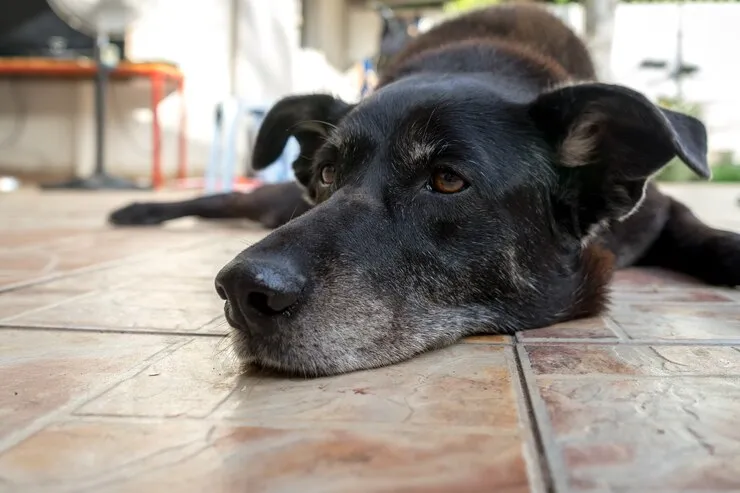 An elderly golden retriever resting on a cool tiled floor, looking relaxed.
3. Underlying Health Concerns
If your previously well-trained dog suddenly starts having accidents, it’s crucial to investigate the root cause. Here are two common health issues to consider:
- Urinary Tract Infection (UTI): UTIs cause discomfort and irritation in the urethra and bladder, leading to symptoms like frequent urination. These infections occur when bacteria enter the urinary system and multiply. Treatment typically involves appropriate medication, dietary adjustments, and sometimes supplements. In severe cases, such as bladder stones, surgery may be necessary.
- Incontinence: If your dog has difficulty controlling the release of urine from their bladder, it could be a sign of incontinence. While more common in older dogs, it can affect dogs of any age or gender. Several factors can contribute to incontinence:
- Weak Sphincter Muscles: Some breeds, particularly larger ones, may struggle with bladder control due to weaker sphincter muscles, leading to dribbling or involuntary urination, especially during sleep or rest.
- Hormonal Changes: Female dogs may experience incontinence due to hormonal shifts that affect sphincter muscles, especially as they age.
- Neurological Issues: Incontinence can also arise from disruptions in the communication between the bladder and the brain due to injuries or other neurological conditions.
- Bladder Stones or Tumors: Growths or physical obstructions in the urinary tract can impede the normal flow of urine, leading to incontinence.
4. Behavioral Problems
Behavioral issues are another significant factor to examine when a dog urinates indoors. Two primary behavioral aspects are associated with this problem:
Submissive Urination: This is commonly observed in puppies and sensitive dogs when they feel frightened, anxious, or overwhelmed. Triggers for submissive urination can include loud noises (firecrackers, sirens), an angry tone of voice, or encounters with unfamiliar people. When a dog rolls onto its back, exposing its belly as a sign of submission, it may also urinate. Identifying these triggers and working to avoid anxiety-inducing situations is key. Building your dog’s confidence through positive reinforcement training and gradually exposing them to triggers in a calm, reassuring manner can be highly effective.
Urine Marking: Urine marking is a deliberate behavior exhibited by dogs to establish territory. The scent left behind serves to identify their space and communicate to other pets that “this is my territory.” Changes in the household, the addition of new pets, or other environmental shifts can trigger urine marking. We’ll discuss a solution for this in the tips section below.
Now that you understand the potential reasons behind your dog’s indoor urination, let’s explore practical tips to reduce these accidents.
6 Practical House Training Tips to Stop Dogs Urinating Indoors
1. Establish a Consistent Routine
At Dogsee, we consistently emphasize the importance of routine for dogs. Establishing regular feeding times and scheduled outdoor potty breaks is crucial. This helps your dog anticipate when they will have an opportunity to relieve themselves outside. Ensure you take your dog out first thing in the morning, after meals, and before bedtime to significantly reduce unwanted indoor urination.
2. Supervise and Manage Your Dog’s Environment
As mentioned earlier, being vigilant and observant will help you identify your dog’s triggers and potential health concerns that lead to indoor urination. Utilize baby gates or crates to limit access to certain areas of the house, allowing you to catch and interrupt accidents in progress. If you suspect a health issue, avoid self-treatment and seek professional veterinary guidance as your first step.
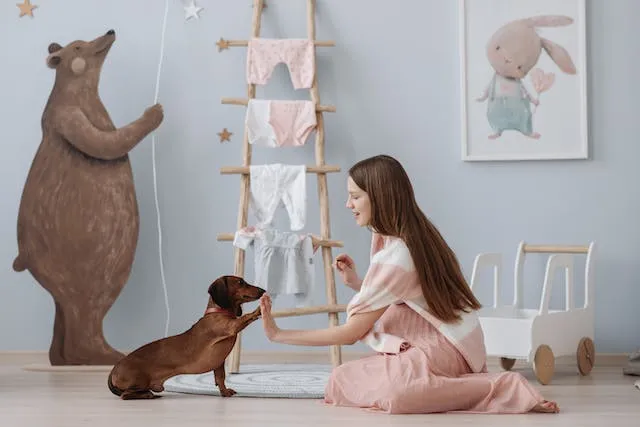 A woman patiently training her dog with a treat in hand.
3. Be Patient and Avoid Punishment
Negative reinforcement can lead to confusion and fear in dogs, making house training a more arduous process. Refrain from punishing or scolding your dog for indoor accidents. Understand that accidents are a natural part of the learning process, and approach the situation with patience and empathy.
4. Utilize Positive Reinforcement
Dogs, like humans, thrive on motivation. Reward your dog with healthy treats, praise, and affection when they successfully eliminate urine outdoors. This positive encouragement is incredibly effective in reinforcing desired behaviors and motivating them to repeat them in the correct location.
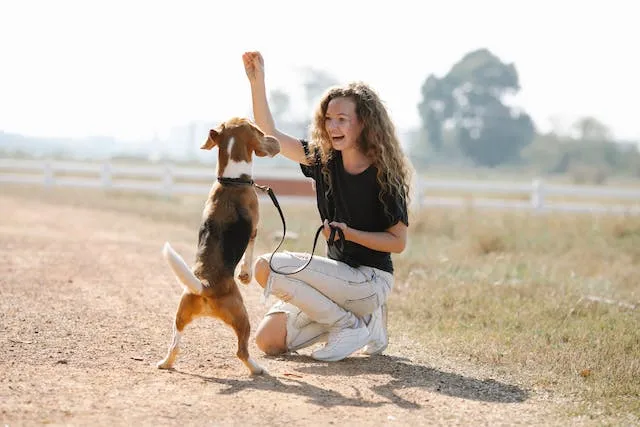 An enthusiastic woman teaching her dog to "beg" for a treat.
5. Consider Crate Training
Dogs generally dislike soiling their own den. Crate training can be a very useful tool for house training as it encourages them to “hold it” until you take them outside. Ensure the crate is appropriately sized and comfortable for your dog.
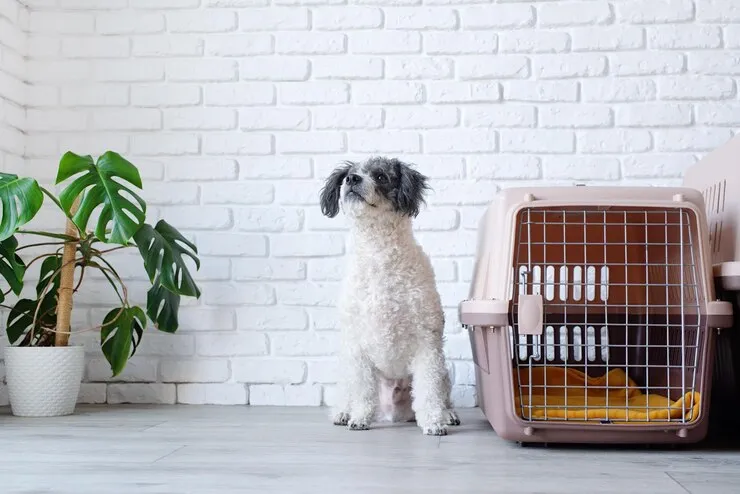 A dog sitting calmly next to a portable pet carrier, looking comfortable.
6. Consistent Cleaning and Odor Elimination
When your dog marks their territory by urinating indoors, it’s essential to not only encourage outdoor elimination but also to thoroughly clean the affected areas with pet-friendly cleaning products. Effective odor removal prevents your dog from being drawn back to the same spot for future accidents.
 A close-up view of a clean, polished brown wooden floor.
Frequently Asked Questions (FAQs)
1. My dog pees in the house at night. What can I do?
Several factors could be at play. Your pet may not be fully house-trained yet, or they might be experiencing underlying medical issues that cause them to urinate at unusual times. If the problem persists, consulting a veterinarian is advisable. In the meantime, try these tips to manage their urge to urinate at night:
- Limit their water intake a few hours before bedtime.
- Take them outside for a final potty break right before you go to sleep.
- For puppies, you may need to wake them for potty breaks multiple times during the night.
- Consider using a belly band or a canine diaper for nighttime wear.
2. My dog pees inside the house when I’m away. Any tips?
This behavior often suggests separation anxiety. Here are some strategies to help:
- Gradually acclimate your dog to being alone by starting with short departures and slowly increasing the duration you are away.
- Ensure your dog receives plenty of exercise and mental stimulation before you leave.
- Create a safe and comfortable space for them while you’re gone, such as a crate or a designated comfortable area on the couch.
3. What health conditions can cause dogs to pee inside the house?
Various health conditions can lead to house soiling. These include Urinary Tract Infections (UTIs), kidney dysfunction, diabetes, and Cognitive Dysfunction Syndrome (CDS). It is crucial to consult with a veterinarian to determine the exact cause, obtain the appropriate medication, and receive specific prevention tips for indoor urination.
Wrapping Up!
We hope this guide has provided you with valuable insights and practical strategies to help your dog reduce indoor accidents. As a devoted pet parent, remember to be patient, supervise your dog closely, and consistently reinforce positive potty training habits and regular health checkups. By following these fundamental precautions, you can effectively manage and overcome the common issue of dogs urinating in the house in a well-planned and efficient manner.
Stay connected with the Dogsee Family for more valuable pet parenting tips and engaging content shared across our social media platforms, followed by over 35,000 pet parents globally.
Facebook: https://www.facebook.com/dogseechew/
Instagram: https://www.instagram.com/dogseechew/
Thank you for reading. We look forward to seeing you in our next blog post. Until then, take care!
