
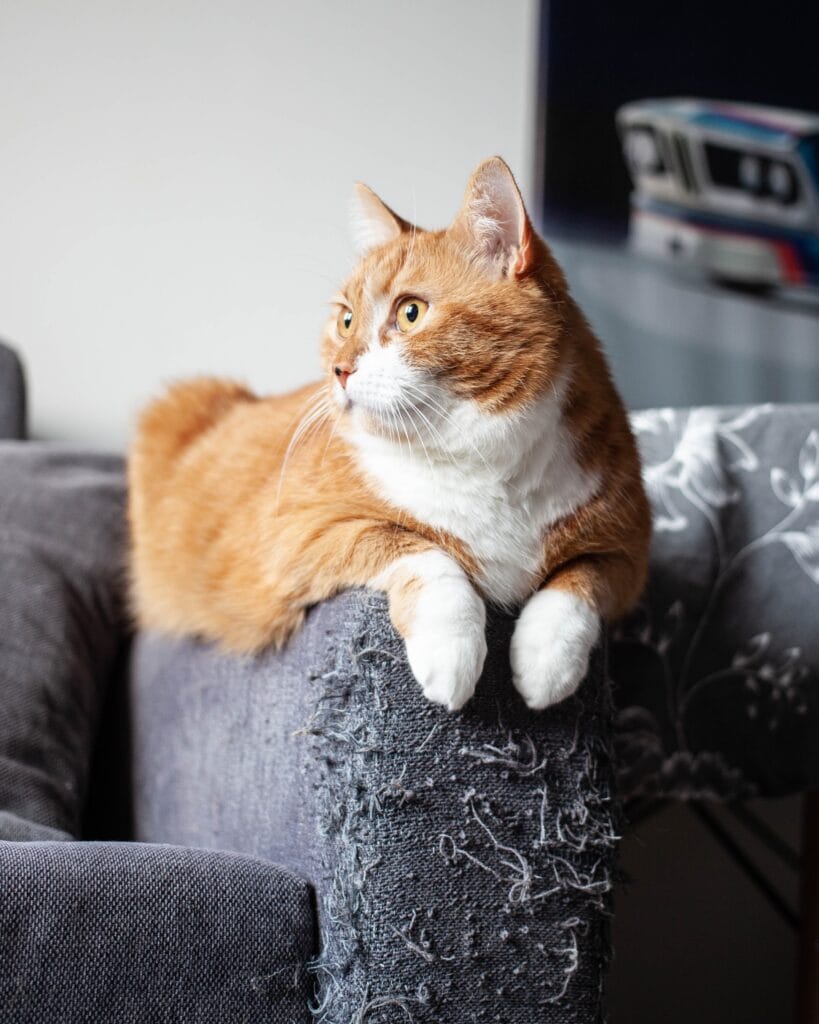
Bringing a feline friend into your home is a joyous occasion, but it often comes with a learning curve. One common and sometimes frustrating behavior new and experienced cat owners encounter is carpet scratching. While it might seem destructive, understanding the root causes behind this natural instinct is the first step toward managing it effectively. This article delves into why cats scratch carpets, offering practical solutions to redirect this behavior and ensure a harmonious living environment for both you and your beloved pet.
Understanding Your Cat’s Scratching Instinct
Cat scratching is far from a malicious act; it’s a deeply ingrained, instinctive behavior crucial for their physical and emotional well-being. When a cat scratches, they are engaging in several important activities:
- Claw Maintenance: Scratching allows cats to shed the outer husks of their claws, revealing a sharp, healthy layer underneath. This natural grooming process is essential for maintaining their claws, which they rely on for defense, hunting, and climbing.
- Stretching and Exercise: The act of scratching provides a full-body stretch, engaging the muscles in their forelimbs, shoulders, back, and even their abdomen. It’s a way for them to stay limber and active.
- Territorial Marking: Cats have scent glands in their paws that release a unique scent when they scratch. This, combined with the visible marks left behind, serves as a way for them to communicate their presence and territory to other cats.
- Emotional Expression: Scratching can also be a way for cats to express their emotions. They might scratch when they are feeling happy, excited, overwhelmed, stressed, anxious, or simply bored and seeking attention. It’s rarely an act of defiance but rather a communication tool. Understanding these underlying reasons is key to addressing the behavior constructively.
Effective Strategies to Stop Carpet Scratching
Since scratching is a natural and necessary behavior, the goal isn’t to eliminate it entirely but to redirect it to appropriate surfaces. Here’s how you can curb carpet scratching:
Provide Appropriate Scratching Alternatives
Cats are often drawn to the texture and orientation of the carpet. If your cat prefers horizontal scratching, a vertical post might go unused. Experiment with different types of scratchers to find your cat’s preference:
- Materials: Offer a variety of materials such as sisal rope, cardboard, wood, or even carpeted pads that mimic the texture they enjoy.
- Orientation: Provide both vertical posts and horizontal or angled scratch pads.
- Stability: Ensure scratchers are sturdy and won’t tip over, as this can deter a cat from using them. Anchoring them to the floor or wall can help.
- Positive Reinforcement: When you see your cat using their designated scratcher, offer praise and a small treat to reinforce the positive behavior.
Protect Prone Areas and Redirect Attention
Temporarily making your carpet less appealing can be a highly effective deterrent:
- Covering: Place double-sided sticky tape, aluminum foil, or mats with a less desirable texture over the areas your cat frequently scratches.
- Furniture Rearrangement: If possible, position furniture to block access to favorite scratching spots.
- Strategic Placement: Place appropriate scratchers directly in front of or next to the areas your cat has been scratching. This provides an immediate and acceptable alternative.
Create a Stimulating Environment
Boredom and a lack of stimulation are common triggers for inappropriate scratching. Engaging your cat daily can make a significant difference:
- Interactive Play: Dedicate time each day for interactive play sessions using toys like feather wands, laser pointers (used responsibly), or crinkle balls.
- Puzzle Feeders: Instead of feeding dry food in a bowl, use puzzle feeders. This mimics a hunting activity, keeping your cat mentally engaged and satisfied.
- Environmental Enrichment: Provide climbing structures, window perches, and rotating toys to keep your cat entertained and prevent boredom.
Utilize Deterrents and Calming Aids
For cats who scratch due to stress or anxiety, certain aids can be beneficial:
- Deterrent Sprays: Commercially available sprays with scents that cats dislike can be applied to carpeted areas. Ensure these are pet-safe.
- Pheromone Products: Synthetic feline pheromone sprays or diffusers can create a calming atmosphere, reducing anxiety-driven scratching. These mimic the natural pheromones cats use to feel secure.
Early Training and Socialization
Introducing a scratching post from the moment a kitten or new cat arrives home is the most proactive approach. By providing an appropriate outlet for their natural instincts early on, you can prevent the habit of scratching the carpet from developing in the first place. Consistent positive reinforcement, like rewarding them with treats and praise when they use the post, will help them understand their boundaries.
Ensuring Your Cat Feels Secure
Changes in the household, such as a new pet, person, or even a change in routine, can make a cat feel anxious or insecure, leading to increased scratching.
- Slow Introductions: Introduce new family members (human or animal) gradually, allowing your cat time to adjust.
- Personal Space: Ensure each pet has their own food and water bowls, litter boxes, and resting spots to avoid territorial disputes.
- Equal Attention: If you have multiple pets, distribute your affection and attention evenly to prevent feelings of jealousy or neglect.
- Multiple Scratchers: For multi-cat households, provide at least one scratching post per cat, plus one extra, to ensure ample opportunities for marking and scratching.
When to Seek Professional Help
While most scratching behaviors can be managed with the strategies above, there are instances where professional intervention is necessary. If you notice any of the following, consult a veterinarian:
- Excessive Scratching: The scratching is relentless and appears to be out of control.
- Destructive Behavior: The scratching extends to walls, furniture, or other inappropriate items.
- Aggression: Your cat is scratching people or other pets aggressively.
- Self-Injury: Your cat is injuring themselves or others through their scratching.
- Sudden Behavioral Change: An abrupt increase in scratching without any apparent cause.
These signs could indicate an underlying medical condition or a significant behavioral issue that requires expert diagnosis and treatment. Your veterinarian can refer you to a certified cat behaviorist who can help identify the root cause and develop a tailored plan for your cat.
Ultimately, addressing carpet scratching is about understanding your cat’s needs and providing them with appropriate outlets. By offering acceptable alternatives, creating a stimulating environment, and ensuring your cat feels safe and secure, you can successfully redirect their scratching instincts and maintain a happy, healthy relationship with your feline companion.
