
Cats scratch for a variety of reasons, and while it’s a natural behavior, it can be destructive to your furniture and carpets. Instead of trying to stop scratching altogether, the key is to redirect this instinct to appropriate scratching alternatives. This guide will walk you through understanding why cats scratch and how to provide them with suitable outlets, ultimately protecting your belongings and maintaining a harmonious home.
Scratching is an instinctive feline behavior, not a sign of misbehavior. Cats scratch to mark their territory visually and with scent from glands in their paws, to stretch their muscles, to shed the outer layer of their claws, and to relieve stress and anxiety. Providing attractive scratching alternatives, strategically placing them, and using positive reinforcement are far more effective than punishment.
Understanding Why Cats Scratch
Scratching is deeply ingrained in feline behavior, dating back to their wild ancestors. This behavior begins as early as 8 weeks of age. When cats scratch, they leave both a visual marker—torn material—and a scent marker from specialized glands in their paws. This scent conveys information about their health, sex, and readiness to mate to other cats.
The act of scratching also serves to maintain healthy claws by removing the worn outer sheath, revealing a sharp new claw underneath, essential for hunting and self-defense. Furthermore, scratching allows cats to get a full body stretch, relieving muscle tension. This activity also releases endorphins, which help cats manage feelings of anxiety and overexcitement.
In the wild, cats often scratch vertical surfaces like tree trunks. This placement is ideal for leaving both visual cues at eye level and scent markers at nose level for other cats. For domestic cats, this preference often translates to scratching the arms of couches or unvarnished wooden furniture, as these materials are easily torn or splintered.
Scratching Horizontal Surfaces
While vertical surfaces are often preferred for territorial marking, cats may also scratch horizontal surfaces like carpets. These aren’t as effective for leaving scent markers at an optimal height for other cats, but they are excellent for stretching, sharpening claws, and releasing anxiety. Carpets, being sturdy and soft enough to allow claws to sink in, are particularly appealing for this purpose. Some cats naturally favor horizontal scratching, while others enjoy both orientations. Understanding your cat’s preference is crucial for implementing the most effective solutions.
How to Redirect Cats from Scratching Furniture
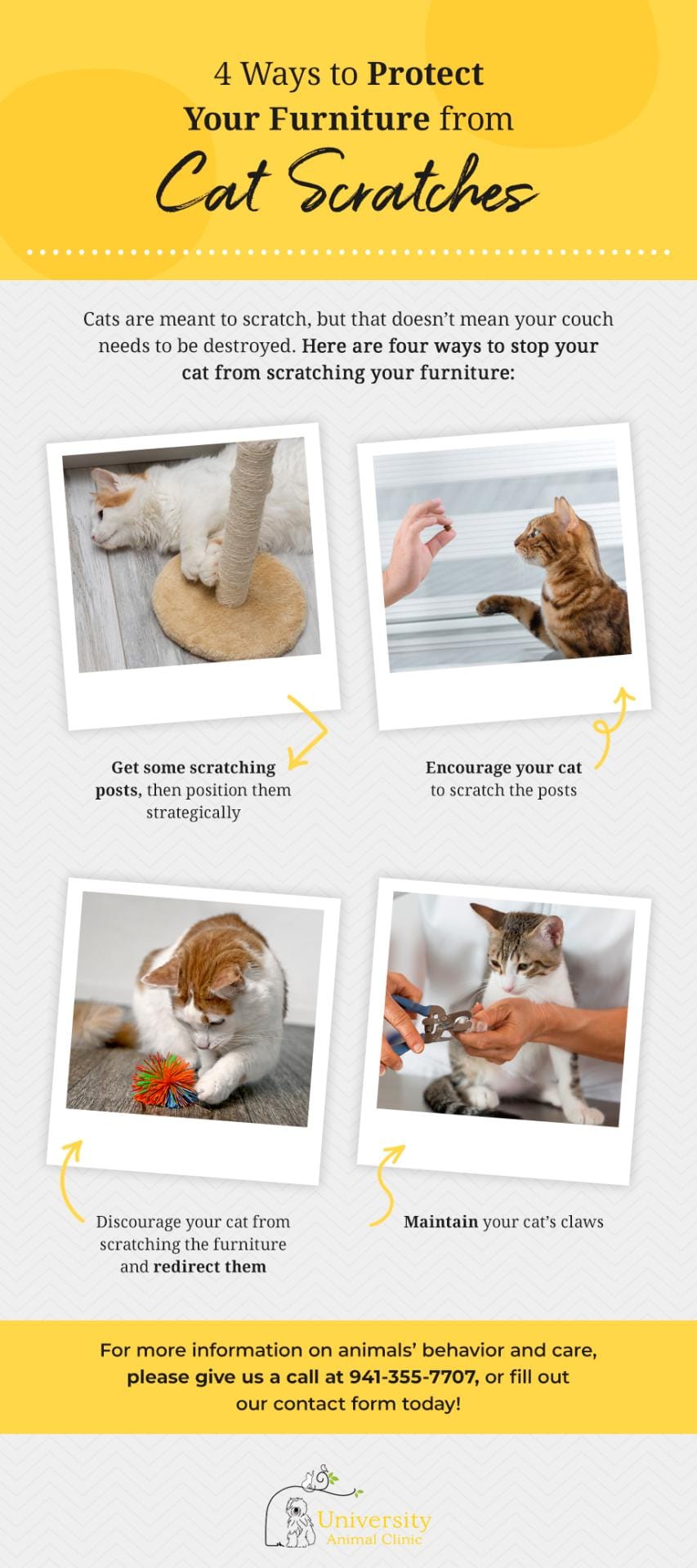
The most effective approach to preventing furniture damage is to provide appealing alternatives and encourage their use. Scratching posts are excellent tools for this. Ensure they are tall enough for your cat to stretch fully and have a stable base to prevent tipping, which could frighten them.
1. Selecting the Right Scratching Post Material
Cats have diverse preferences for scratching materials. Observe your cat’s current scratching habits on furniture to get clues. You may need to offer a variety of textures, including upholstery fabric, sisal rope, carpet, wood, or cardboard, to discover what your cat prefers.
The angle and position of the scratching post are also important. For instance, if your cat enjoys vertical scratching on sisal, they might like the Frisco by Chewy Cactus Cat Scratching Post. If horizontal scratching on cardboard is more their style, consider options like The Original Scratch Lounge Cat Toy or the PetFushion Ultimate Cat Scratcher Lounge Toy.
2. Strategic Placement of Scratching Posts
Once you’ve identified your cat’s preferred scratching material, place the posts strategically. Position them near the furniture your cat currently scratches and in areas where your cat and family spend significant time. Cats are social and prefer their resources, including scratching posts, to be accessible and relatively close to household members. Avoid placing a scratching post in an isolated area if you want your cat to use it. Some cats also like to scratch upon waking, so placing a post near their sleeping area can be effective. In multi-cat households, providing multiple scratching posts is essential to prevent conflict over resources and increase the likelihood of diversion.
3. Encouraging Post Use
Help your cat transition to using the new scratching posts. You can model scratching behavior by gently running your fingernails over the post, which can intrigue your cat to investigate. Sprinkling catnip on the post or offering high-value treats and praise when your cat uses the post can further reinforce this desired behavior.
4. Gently Discouraging Furniture Scratching
It’s equally important to gently discourage your cat from returning to furniture. Consider using motion-detection air spray cans placed near the furniture. The sudden hiss can interrupt the behavior without causing excessive fear. The goal is a quick interruption followed by redirection to the scratching post and positive reinforcement.
Other deterrents include:
- Citrus-based sprays: Most cats dislike citrus scents.
- Double-sided sticky tape: This feels unpleasant to cats’ paws without causing pain.
- Protective covers: Blankets or plastic sheets can cover furniture.
- Enzymatic cleaners: Use odor-neutralizing cleaning products on previously scratched furniture to remove scent markers that attract cats.
- Pheromone sprays: Products like Feliway Classic Calming Spray for Cats mimic feline facial pheromones, which cats associate with safe and familiar environments, discouraging scratching in treated areas.
While regular nail trims and claw caps can reduce damage, they won’t eliminate scratching behavior without providing appropriate outlets.
5. Addressing Underlying Anxiety
Excessive scratching can sometimes indicate anxiety. Calming supplements like Purina Pro Plan Calming Care probiotic powder or veterinary-prescribed medications like fluoxetine (Prozac) or sertraline (Zoloft) may help. Always consult your veterinarian before administering any medication or supplements.
6. Providing Enrichment Activities
Anxious or bored cats may benefit from increased enrichment. This can include cat trees, window perches for bird watching, more interactive playtime, leash training with a harness, or a “catio” (enclosed outdoor space).
7. Consulting a Behavior Specialist
For persistent or severe scratching issues, seeking guidance from a Certified Applied Animal Behaviorist (CAAB) or a board-certified veterinary behaviorist can be highly beneficial. They can help develop a comprehensive plan involving medications, supplements, and behavioral modification techniques to manage scratching behaviors effectively.
Managing Carpet and Flooring Scratching
The principles for managing vertical scratching largely apply to horizontal surfaces like carpet and flooring. Experiment with different horizontal scratching board materials that mimic the textures your cat prefers to scratch. Fabric-based (carpet-like) and cardboard scratching boards are often attractive due to their tearability and satisfying texture.
Ensure these boards are stable and allow your cat to fully extend their claws. Like scratching posts, multiple boards should be placed in prominent areas, especially near carpets or flooring your cat targets. Deterrents like Feliway Classic spray, enzymatic cleaners, and citrus sprays can help, while treats, toys, and praise should reward the use of scratching boards. Regular nail trimming and nail caps can also minimize damage during the training process. If anxiety is a factor, consult a behavior specialist.
What Not To Do
Declawing Your Cat
Declawing, the surgical removal of the claw and the first bone of the toe, is a painful procedure and should be avoided. It does not eliminate a cat’s need to scratch but can lead to frustration, anxiety, and even aggression, including biting.
Punishing Your Cat
Never punish your cat for scratching. Yelling, spraying water, or throwing objects can create fear, anxiety, and aggression, damaging your bond and making your cat more likely to scratch when you are not present. Cats learn best through positive reinforcement for desired behaviors and minimal attention for undesirable ones.
Forcing Interaction
Do not physically force your cat to use a scratcher, such as by placing their paws on it and mimicking scratching. This can be perceived as a threat, leading to fear, anxiety, or aggression, and can damage the trust between you and your cat.
By understanding your cat’s natural behaviors and providing appropriate outlets, you can successfully redirect scratching away from your furniture and carpets, ensuring a happy and well-maintained home for both you and your feline companion.
