
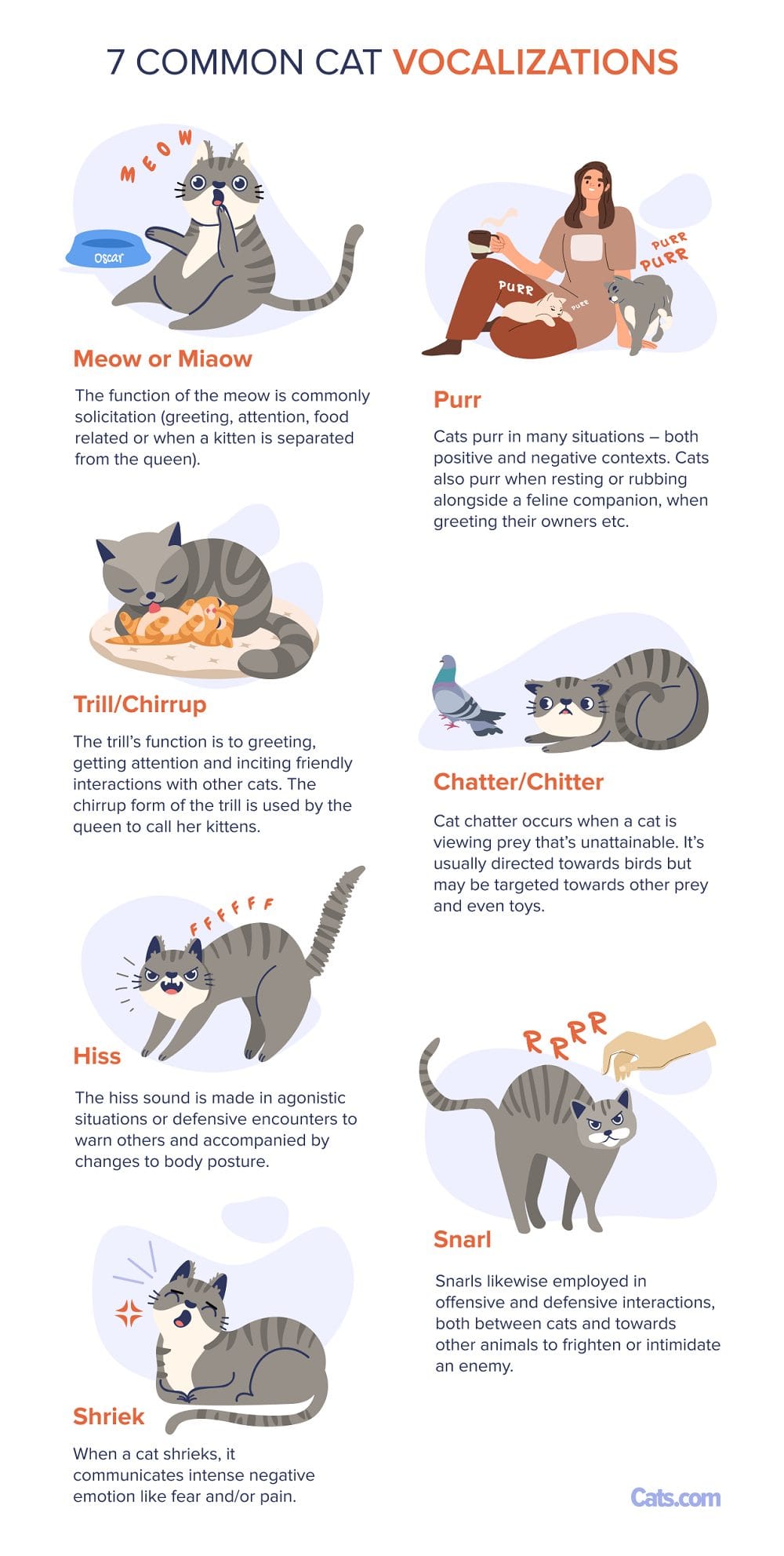
It can be distressing for cat owners when their feline companions engage in excessive meowing at night. This vocalization can stem from a variety of factors, including boredom, age-related changes, or underlying medical conditions such as thyroid issues. While the reasons for these nocturnal yowls can be diverse, it’s crucial not to ignore them, as your cat is attempting to communicate something important. Identifying the cause behind the meowing is key to finding effective solutions.
Before implementing any behavioral strategies, a visit to the veterinarian is highly recommended. This initial step is vital to rule out any potential physical ailments that might be contributing to the nighttime vocalizations, especially if this is a new behavior for your cat. Once you’ve confirmed that there are no underlying health concerns, you can then focus on addressing the environmental and behavioral factors that might be leading to your cat’s meowing.
1. Enriching Your Cat’s Environment
Cats are naturally driven by instincts to climb, jump, hunt, observe their surroundings, and sharpen their claws. Providing ample opportunities for these behaviors within your home is essential for their overall well-being and can significantly reduce boredom-related vocalizations. Consider incorporating elements like climbing trees, interactive toys that mimic prey, and elevated perches that offer vantage points. Varying their feeding methods, such as using puzzle feeders, can also add an engaging element to their day and encourage mental stimulation. Discover five fun games for cats to enhance their playtime.
2. Pre-Bedtime Play Session
Engaging in play with your cat throughout the day is important, as cats are often drawn to toys that move and require interaction. However, a dedicated play session before bedtime can be particularly beneficial, especially for cats with a lot of pent-up energy in the evenings. By allowing your cat to expend some of this energy through physically and mentally stimulating games, you can help them relax and settle down more easily at night, leading to a more peaceful sleep for both of you.
3. Ensuring Access to Food and Water
Hunger or thirst can be a primary driver for nighttime meowing. Before you retire for the evening, ensure that your cat has access to fresh water and a sufficient amount of their preferred food. Leaving out a small portion of dry cat food and a full water bowl allows them to snack and hydrate as needed throughout the night, potentially preventing them from vocalizing out of need. You can explore different types of dry cat food to find one that best suits your cat’s dietary requirements.
4. Maintaining Litter Box Cleanliness
Cats are fastidious creatures, and their litter box is no exception. A dirty or unappealing litter box can lead to a cat refusing to use it, which in turn can result in vocal protests. Regularly scooping and cleaning your cat’s litter box is essential to ensure they have a comfortable and hygienic place to relieve themselves. Failure to do so can lead to them demanding attention or expressing their displeasure through meowing.
5. Providing Affection and Social Interaction
Social connection is a fundamental need for cats. While some cats actively seek out petting and cuddling, others may prefer simply being in their owner’s presence without extensive physical contact. Regardless of their preference, your cat may be meowing at night because they are seeking attention and affection. Spending quality time interacting with your cat in a way that they find enjoyable before bed can fulfill their social needs, contributing to their overall enrichment and promoting a sense of security that aids peaceful sleep. Understanding your cat’s cues is crucial, and our cat body language article can offer valuable insights.
6. Minimizing Disturbances
Cats have sensitive hearing and are easily disturbed by environmental stimuli. Lights, sounds from outside, or even changes within the home can disrupt their sleep and lead to vocalizations. Pay attention to potential disturbances in your cat’s sleeping area. Simple adjustments, such as ensuring automatic lights are turned off or providing a quieter sleeping space, can make a significant difference in preventing them from being roused and subsequently meowing.
Addressing nighttime meowing often requires a multi-faceted approach that considers your cat’s physical health, environmental enrichment, and social-emotional needs. By systematically evaluating these factors and implementing appropriate strategies, you can help create a more peaceful nighttime environment for both you and your feline companion.
