
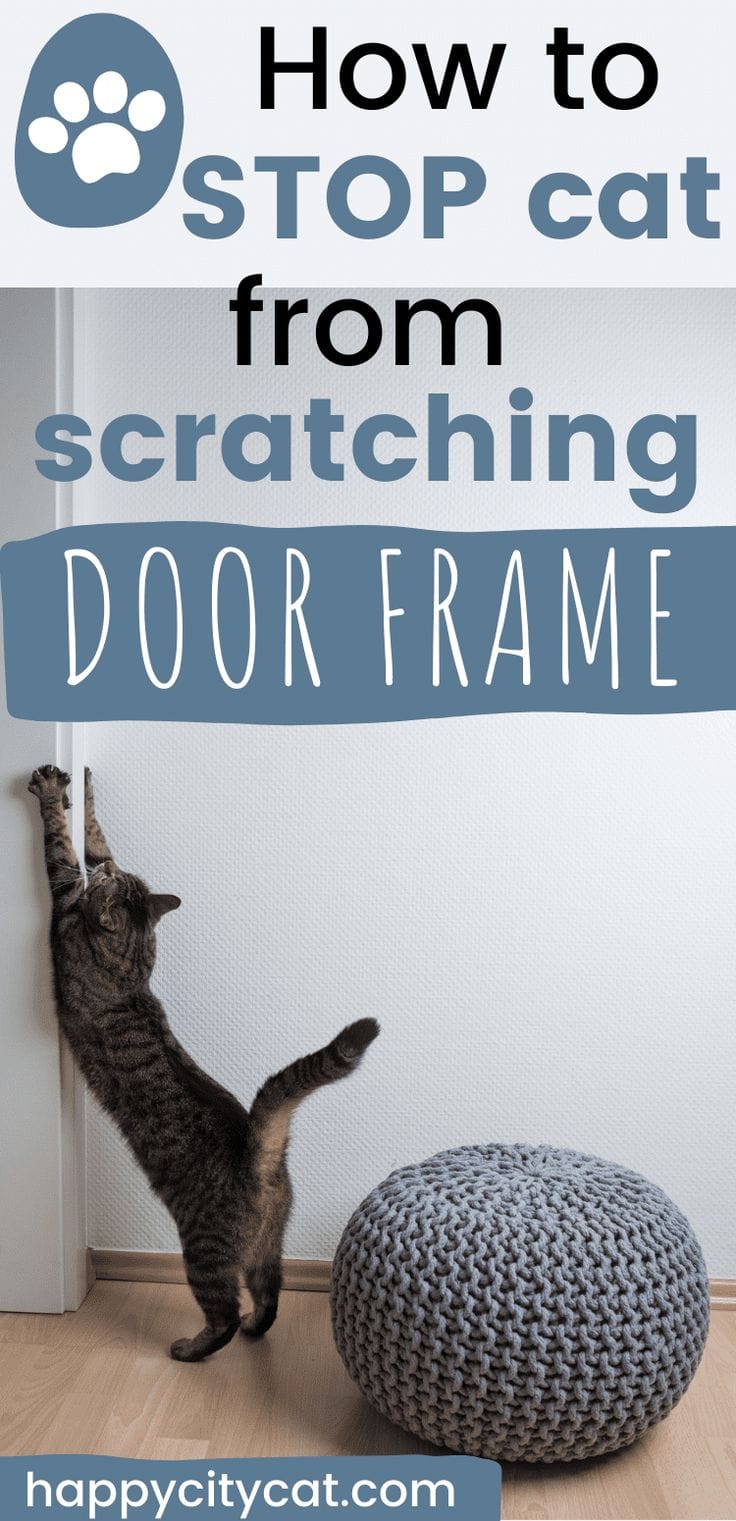
It’s a common and often frustrating behavior: your cat scratching at the door. While the persistent sound can be irritating, especially during quiet hours, and can lead to damage, it’s crucial to remember that cats don’t scratch to be intentionally annoying. There’s usually a valid reason behind this instinctive action. Understanding why your feline friend is scratching the door is the first step towards effectively managing and stopping the behavior. This article will explore the various reasons behind door scratching and provide practical methods to discourage it, ensuring a more harmonious living environment for both you and your cat.
Understanding Why Your Cat Scratches the Door
Cats engage in scratching for a multitude of reasons, and door scratching is no exception. Your cat might be seeking your attention for basic needs like food, play, or affection. It can also be a natural way for them to stretch their muscles, mark their territory, alleviate boredom or stress, or simply maintain the health and sharpness of their claws. Since scratching is a deeply ingrained behavior for felines, pinpointing the exact cause can sometimes be challenging, as the motivation can vary from one instance to another.
Observe the Context
To effectively address door scratching, observing the circumstances surrounding the behavior is key. If your cat scratches at the door primarily at night, they might be signaling a need to be let in or out, requesting food, or seeking playtime. When the scratching occurs while you’re away, a pet camera can be an invaluable tool to help you understand their body language and vocalizations, providing crucial clues to their motivations.
Instinctive Claw Maintenance
Cats’ claws grow continuously, much like our own nails. They naturally shed the outer layer of their claws, a process that’s essential for maintaining sharpness. As natural predators, scratching is an instinctive way for cats to keep their claws in prime condition for hunting and climbing. Therefore, scratching on surfaces like doors can be an effort to remove the worn-out outer sheath, revealing sharper claws underneath. If you are concerned about your cat’s claw length or condition, consulting with a veterinarian is advisable.
Boredom and Excess Energy
A cat might scratch at the door simply because they are bored and seeking stimulation. If your cat tends to scratch at your bedroom door at night, it could indicate pent-up energy. Engaging your cat in active play sessions before bedtime can help them expend this energy, leading to a more restful night for both of you.
Seeking Entry or Exit
For cats that have access to the outdoors, scratching at the door can be a clear signal that they wish to go outside or come back in. If your home lacks a cat flap, installing one can provide your cat with the autonomy to enter and exit as they please, which may resolve the door-scratching behavior.
Effective Strategies to Stop Cats From Scratching Doors
Once you have a better understanding of the potential reasons behind your cat’s door scratching, you can implement various strategies to redirect this behavior and protect your doors.
Provide Appealing Alternative Scratching Surfaces
A highly effective method to deter cats from scratching doors or carpets is to offer a variety of appealing scratching alternatives. Experiment with different types of scratching posts and pads, including vertical and horizontal options, and materials like sisal rope, cardboard, or fabric. Placing these alternatives near the doors your cat frequently scratches provides an immediate and appropriate outlet for their natural urge. Rewarding your cat with treats and praise when they use these designated surfaces can reinforce the desired behavior.
Regular Nail Trimming
Regularly trimming your cat’s nails can help minimize the damage caused by scratching. While this doesn’t stop the behavior itself, it makes the act less destructive. If you’re unsure about how to trim your cat’s nails safely, seek guidance from your veterinarian or a professional groomer.
Environmental Enrichment and Play
To combat boredom and excess energy, enriching your cat’s environment is crucial. Provide a range of stimulating toys, such as puzzle feeders or laser pointers, to keep them engaged, especially when left alone. Cat trees, perches, and wall-mounted shelves offer vertical space for exploration and observation, which can significantly reduce boredom-related scratching. Dedicating time for interactive play sessions daily, particularly before bedtime, can help your cat expend energy and feel more content. Consider incorporating caring for a cat into your routine with specific playtime and bonding activities.
Adjust Feeding Schedules
If your cat scratches the door primarily around mealtimes, adjusting their feeding schedule might be beneficial. Feeding your cat closer to bedtime can help them feel more satiated and settled, potentially leading to a quieter night.
Utilize Deterrents and Barriers
Physical deterrents can make the door less appealing for scratching. Applying double-sided sticky tape, aluminum foil, or commercially available cat-repellent sprays to the door can discourage your cat due to the unpleasant textures or scents. Plastic sheeting can also be used as a temporary protective barrier.
Consult Professionals
If the door scratching is a sudden change in behavior or persists despite your best efforts, it’s essential to rule out any underlying medical conditions. A veterinarian can assess your cat’s health and identify any potential issues contributing to the behavior. If medical causes are ruled out and the behavior remains problematic, consulting a certified cat behaviorist can be highly beneficial. They can help identify triggers related to stress or anxiety and develop a tailored plan to address these underlying issues.
Training Your Cat to Stop Scratching Doors
Consistency and positive reinforcement are key when training your cat to redirect their scratching behavior.
Ignore the Undesired Behavior
When your cat begins scratching the door, it’s important not to give them the attention they might be seeking. Unless your cat is in distress, avoid opening the door, calling to them, or playing with them during these moments. By withholding reinforcement, your cat will eventually learn that scratching the door does not yield the desired outcome.
Positive Reinforcement and Redirection
When you observe your cat using an appropriate scratching surface, offer immediate praise and a tasty treat. This positive reinforcement helps them associate the desired behavior with rewards. If you catch them scratching the door, gently redirect them to their scratching post or pad. Offer praise and a treat once they engage with the correct surface. Clicker training can also be a useful tool to create a clear positive association with desired actions.
Create Negative Associations (Use with Caution)
While not always recommended as a primary method, you can make the door itself less appealing. Using textures like double-sided tape or aluminum foil can deter cats due to their dislike for these sensations on their paws. Scent-based deterrents, such as diluted essential oils that cats find unpleasant (like citrus or rosemary), can also be applied, but ensure they are safe for feline use and use them sparingly.
Frequently Asked Questions About Cat Door Scratching
How do I stop my cat from scratching my door at night?
To address nighttime door scratching, identify your cat’s motivation. If they seek attention, increase playtime before bed. If boredom is the issue, provide engaging toys and a stimulating environment. Placing an appealing scratching post near the door can also offer an alternative.
What does it mean when a cat paws at the door?
A cat pawing at a door can signify various needs: wanting to enter or exit, seeking attention, feeling hungry, bored, or anxious. Observing the context and your cat’s other behaviors will help determine the specific reason.
Why do cats scratch more at night?
Cats are crepuscular, meaning they are naturally more active during dawn and dusk, and often at night. They also tend to sleep extensively during the day, leading to pent-up energy and a desire for activity or attention at night, which can manifest as scratching.
Should I leave my bedroom door open for my cat?
The decision to leave your bedroom door open depends on your personal preferences, lifestyle, and your cat’s behavior. It can foster a stronger bond and reduce anxiety and scratching, but it might also lead to sleep disruptions if your cat wakes you for attention or play.
In conclusion, while a cat scratching at the door can be a persistent issue, understanding the underlying causes is paramount. By implementing a combination of environmental enrichment, consistent training with positive reinforcement, and addressing potential medical or behavioral concerns with professional guidance, you can effectively manage and ultimately stop this behavior. Ensuring your cat has appropriate outlets for their natural instincts, along with sufficient physical and mental stimulation, will contribute to their overall well-being and a more peaceful coexistence. For a complete and balanced diet that supports your cat’s health, consider options like Sheba® Wet Cat Food.
