
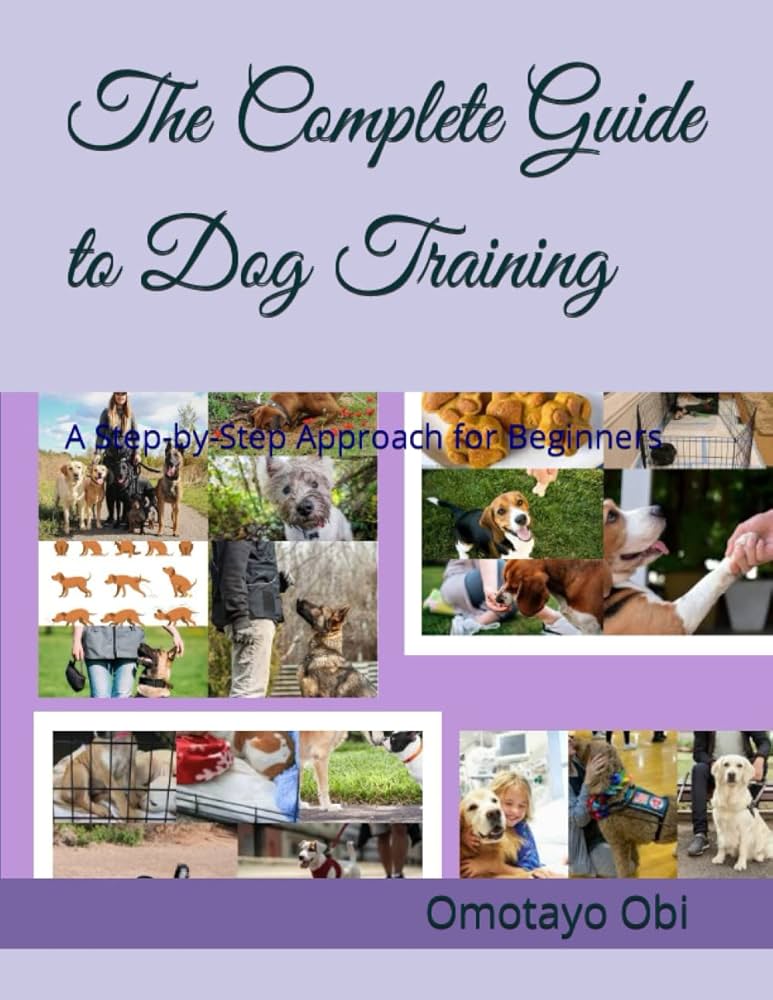
Bringing a new dog into your life is an exciting journey, and establishing good habits from the start is crucial for a harmonious relationship. Effective dog training isn’t just about teaching commands; it’s about building a strong bond, fostering clear communication, and ensuring your canine companion is a well-behaved member of your family and community. Whether you’re a first-time owner or looking to refine your training techniques, this step-by-step guide will walk you through the essentials of Step By Step Dog Training.
The Foundation: Understanding Your Dog and Training Principles
Before diving into specific commands, it’s vital to grasp the fundamental principles of dog training and understand your dog’s unique needs. Dogs learn through positive reinforcement, association, and repetition.
Positive Reinforcement: The Cornerstone of Effective Training
Positive reinforcement involves rewarding desired behaviors, making it more likely that your dog will repeat them. This can include treats, praise, toys, or petting. The key is to reward your dog immediately after they perform the correct action so they can clearly associate the reward with the behavior.
Consistency is Key
Every member of the household needs to be on the same page regarding commands, rules, and rewards. Inconsistency confuses dogs and can slow down the training process significantly. Use the same words for commands and have a unified approach to desired behaviors.
Patience and Understanding
Training takes time and patience. Every dog learns at a different pace. Some dogs may pick up new commands quickly, while others might need more practice. Celebrate small victories and don’t get discouraged by setbacks. Remember, your dog is trying their best to understand what you want.
Socialization: More Than Just Meeting Other Dogs
Proper socialization is critical, especially for puppies. Exposing your dog to a variety of sights, sounds, people, and other well-behaved dogs in a positive and controlled manner from a young age helps them grow into confident, well-adjusted adults. This is a crucial part of step by step dog training that often gets overlooked.
Step 1: Mastering the Basics – Name Recognition and Focus
The first steps in step by step dog training are about getting your dog’s attention and teaching them to associate their name with positive experiences.
Teaching Your Dog Their Name
- Get your dog’s attention: When your dog is relaxed and not distracted, say their name in a cheerful tone.
- Reward positive response: The moment they look at you or show any sign of acknowledgment, reward them with a treat and praise.
- Increase duration: Gradually increase the time between saying their name and giving the reward.
- Practice in different environments: Once they reliably respond in a quiet room, practice in areas with mild distractions.
Building Focus (Attention)
Teaching your dog to focus on you is foundational for all other training.
- Start with their name: Use their name to get their attention.
- Use a lure: Hold a treat near your eyes and say “Watch me” or “Look.”
- Reward eye contact: As soon as they make eye contact, give the treat and praise.
- Increase duration and distractions: Slowly extend the duration of eye contact and practice in environments with increasing levels of distraction. This is a critical skill that underpins step by step dog training for more complex commands.
Step 2: Essential Commands – Sit, Down, Stay
Once your dog reliably responds to their name and can focus on you, it’s time to teach foundational commands.
Teaching “Sit”
“Sit” is often the first command dogs learn and is relatively easy to teach using a lure.
- Hold a treat: Place a treat near your dog’s nose.
- Lure them into position: Move the treat upwards and slightly back over their head. As their nose follows the treat, their rear end will naturally lower.
- Say the command: As their rear touches the ground, say “Sit.”
- Reward: Immediately give the treat and praise.
- Repeat: Practice this several times in short sessions.
Teaching “Down”
The “down” command can be taught by luring your dog from a sit position.
- Start with a sit: Have your dog in a sit position.
- Lure downwards: Hold a treat near their nose and move it slowly down towards the floor and then slightly away from them.
- Say the command: As they follow the treat and lie down, say “Down.”
- Reward: Give the treat and praise.
- Practice: Repeat in short, frequent sessions.
Teaching “Stay”
“Stay” requires patience and building duration gradually.
- Start with a sit or down: Have your dog in a sit or down position.
- Give the command and hand signal: Say “Stay” and hold up an open palm towards them.
- Take one step back: If they remain in position, immediately return and reward them.
- Gradually increase distance and duration: Slowly increase the number of steps you take away and the time you expect them to stay. Always return to them to reward, rather than calling them to you when practicing “stay.” This is a key aspect of step by step dog training that builds reliability.
- Release word: Use a release word like “Okay” or “Free” to signal when they can break the stay.
Step 3: Leash Training and Walking Etiquette
Walking your dog should be an enjoyable experience, not a battle of wills. Proper leash training is essential for safety and control. This is an important part of step by step dog training for outdoor activities.
Getting Used to the Collar/Harness and Leash
- Introduction: Let your dog sniff and investigate the collar or harness.
- Short wear times: Have them wear it for short periods indoors, associating it with positive experiences like meals or play.
- Attach the leash: Once comfortable with the collar/harness, attach the leash for short durations indoors.
- Positive association: Reward them for calmly wearing the leash.
Loose-Leash Walking
The goal is for your dog to walk beside you without pulling.
- Start indoors or in a quiet area: Begin practicing in a low-distraction environment.
- Reward when the leash is slack: If your dog walks beside you with a loose leash, offer praise and treats.
- Stop when they pull: If they pull ahead, stop walking immediately. Only resume walking when the leash slackens.
- Change direction: If they continue to pull, change direction. This teaches them that pulling doesn’t get them where they want to go.
- Consistency is paramount: This technique requires consistent application every time you walk your dog. Mastering this is a significant achievement in step by step dog training.
Step 4: Addressing Common Behavioral Challenges
Even with the best training, some challenges may arise. Addressing them proactively with the right approach is key.
Jumping Up
Dogs often jump to greet people. Redirect this energy positively.
- Ignore the jump: Turn away or walk away when your dog jumps up. Do not give attention.
- Reward calm behavior: As soon as all four paws are on the floor, greet them and offer a reward.
- Teach an alternative: Teach them to “Sit” for greetings. Reward them for sitting when people approach.
Barking
Excessive barking can be due to boredom, anxiety, or territorial instincts.
- Identify the cause: Understand why your dog is barking.
- Manage the environment: If they bark at stimuli outside, block their view or use white noise.
- Teach “Quiet”: When they bark, wait for a brief pause, say “Quiet,” and reward. Gradually increase the pause duration.
- Provide enrichment: Ensure your dog gets enough exercise and mental stimulation.
Nipping and Chewing
Puppies naturally nip and chew as they explore and teethe.
- Redirect chewing: Provide appropriate chew toys and redirect them to these toys when they chew on something inappropriate.
- “Ouch!” method for nipping: If a puppy nips too hard, let out a high-pitched “Ouch!” and briefly withdraw attention. This mimics how littermates teach bite inhibition.
- Supervision: Supervise your puppy closely and manage their environment to prevent destructive chewing. Understanding and managing these behaviors are integral to comprehensive step by step dog training.
Step 5: Advanced Training and Continued Learning
Once your dog has mastered the basics, you can explore more advanced training or specific activities.
Recall Training (“Come”)
A reliable recall is potentially life-saving.
- Start in a safe, enclosed area: Use a long leash if needed.
- Use a happy, encouraging tone: Say your dog’s name followed by “Come!”
- Reward enthusiastically: When they come to you, reward them with high-value treats, praise, and play.
- Never punish: Never call your dog to you for something unpleasant (like a bath or nail trim). This will make them reluctant to come when called.
- Practice with distractions: Gradually introduce distractions as they become more reliable.
Introducing Tricks and Agility
Teaching tricks like “shake a paw,” “roll over,” or engaging in agility can further strengthen your bond and provide mental stimulation. These advanced stages of step by step dog training are highly rewarding.
Seeking Professional Help
If you encounter persistent behavioral issues or want to delve deeper into specialized training, consider consulting a certified professional dog trainer or a veterinary behaviorist. They can offer tailored guidance and support.
The Ongoing Journey of Dog Training
Step by step dog training is not a one-time event but an ongoing process of communication, reinforcement, and building a stronger relationship with your dog. By applying these principles with patience, consistency, and positive reinforcement, you can help your dog become a well-behaved, happy, and confident companion. Remember, every interaction is a training opportunity, and the effort you invest will be repaid tenfold in the joy and companionship your dog brings to your life. This continuous learning and reinforcement solidifies the training foundation and enhances the human-animal bond.
