
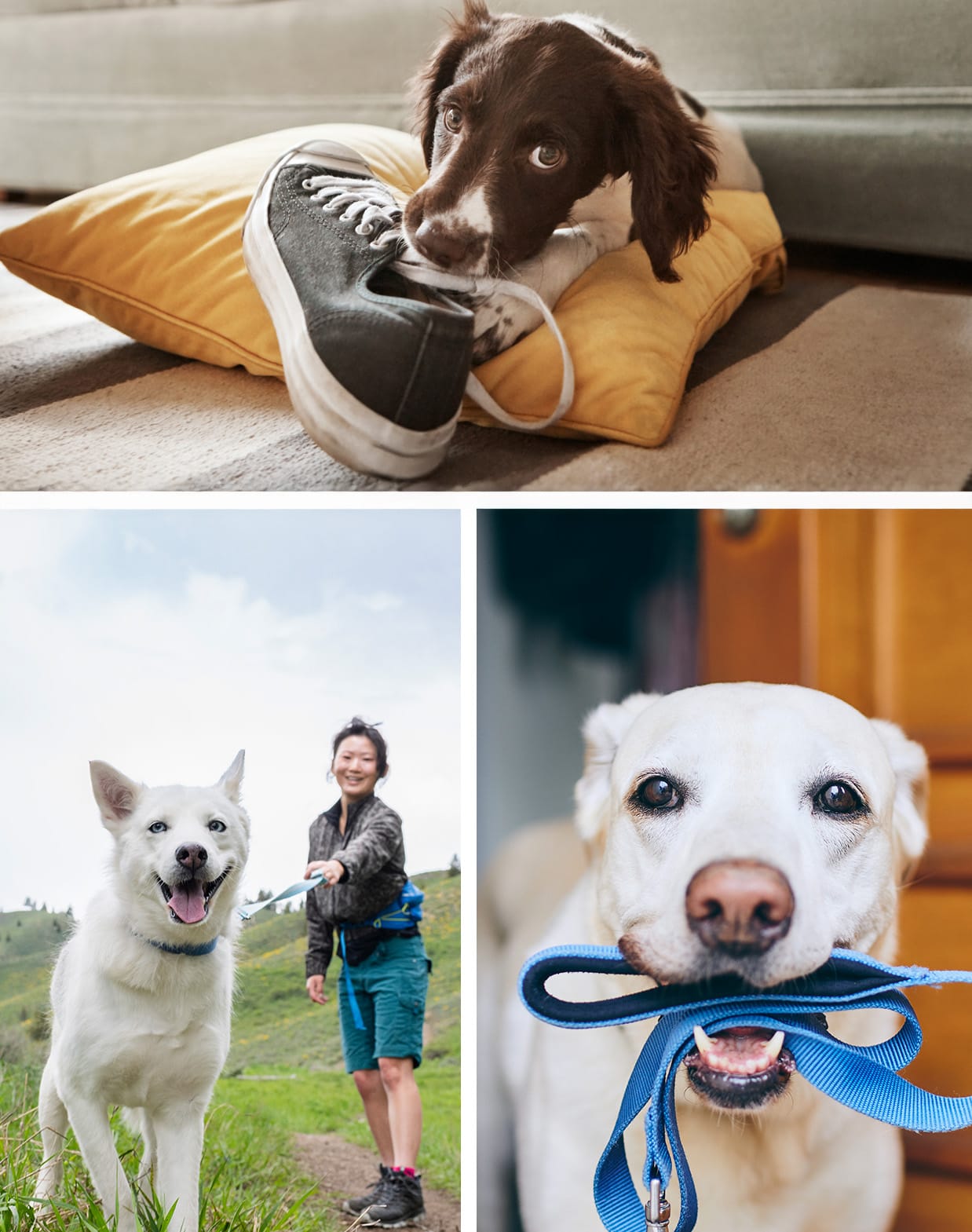
Welcoming a new puppy or an adult dog into your home is an incredibly rewarding experience. One of the most crucial aspects of ensuring a happy and harmonious life with your canine companion is Start Pawsitive Dog Training. This approach focuses on positive reinforcement, rewarding desired behaviors to build a strong foundation of trust and understanding between you and your dog. It’s not just about teaching commands; it’s about shaping your dog’s behavior in a way that fosters a lifelong bond.
The Philosophy Behind Pawsitive Training
At its core, positive reinforcement training emphasizes rewarding your dog for doing something right, rather than punishing them for doing something wrong. This method is built on the understanding that dogs are more likely to repeat behaviors that result in pleasant outcomes. This could be anything from a tasty treat and enthusiastic praise to a favorite toy. This approach not only makes learning enjoyable for your dog but also strengthens your relationship by creating a positive association with training sessions and with you as their leader. Unlike punishment-based methods, positive reinforcement avoids fear, anxiety, and potential aggression that can stem from harsh correction, creating a more confident and well-adjusted dog.
Why Positive Reinforcement Works
Dogs are intelligent creatures eager to please their humans. When we reward them for desired actions, we are essentially communicating clearly what we want them to do. This clarity, combined with positive associations, makes the learning process efficient and enjoyable. Think of it like teaching a child; positive encouragement and rewards are far more effective in the long run than scolding or punishment. This method respects the dog’s emotional state and builds their confidence, making them more willing to try new things and less fearful of making mistakes. It’s about making training a collaborative effort, not a battle of wills.
Getting Started: Essential Tools and Preparations
Before you even begin a training session, having the right tools and a plan in place can make all the difference. The goal is to set yourself and your dog up for success. This involves understanding your dog’s needs and preparing your environment to minimize distractions and maximize learning opportunities.
Essential Training Gear
- High-Value Treats: These are small, soft, and incredibly tasty treats that your dog absolutely loves. Think small pieces of cooked chicken, cheese, or specialized training treats. They should be motivating enough to capture your dog’s attention, especially in distracting environments.
- Leash and Collar/Harness: A comfortable, well-fitting collar or harness is essential for safety and control. For training, a standard 4-6 foot leash is usually recommended. Avoid retractable leashes, as they offer less control and can be dangerous.
- Clicker (Optional but Recommended): A clicker is a small device that makes a distinct clicking sound. It’s used as a “marker” to precisely indicate the moment your dog performs the desired behavior. The click is followed immediately by a treat. This precise timing helps your dog understand exactly what they are being rewarded for.
- Patience and Consistency: These are arguably the most important tools. Training takes time, and every dog learns at a different pace. Consistency in your commands, rewards, and expectations is key to avoiding confusion for your dog.
Creating a Conducive Training Environment
The environment where you train significantly impacts your dog’s ability to focus. Start in a quiet, low-distraction area, like a calm room in your house. As your dog progresses and masters behaviors in a quiet setting, you can gradually introduce more distractions, such as training in the backyard, then on a quiet street, and eventually in busier public places. This gradual exposure helps your dog generalize their learned behaviors to different situations.
Foundational Training Commands
Building a repertoire of basic commands is the cornerstone of start pawsitive dog training. These commands not only provide structure but also enhance communication and safety.
“Sit”
This is often one of the first commands dogs learn.
- Hold a treat near your dog’s nose.
- Slowly move the treat upwards and slightly back over their head.
- As their head follows the treat, their rear end will naturally lower into a sit.
- The moment their rear touches the ground, click (if using a clicker) and give the treat and praise enthusiastically.
- Once they understand the motion, start saying “Sit” just as they begin to lower themselves.
“Stay”
Once your dog can reliably sit, you can introduce the “stay” command.
- Ask your dog to “Sit.”
- Hold your hand up in a “stop” gesture and say “Stay.”
- Take one small step back. If they remain seated, return immediately, click, and reward.
- Gradually increase the distance and duration of the “stay” before rewarding. If they get up, gently guide them back to their original spot and try again with a shorter duration or distance.
“Come” (Recall)
A reliable recall is perhaps the most critical command for your dog’s safety.
- Start in a quiet area. Get down on your dog’s level and use an excited tone.
- Say your dog’s name followed by “Come!”
- When they move towards you, offer lots of praise.
- As they reach you, click and give them a high-value treat and lots of petting.
- Never call your dog to you for something unpleasant (like a bath or nail trim) as this can create a negative association with the command.
Beyond the Basics: Socialization and Leash Manners
Once your dog has a grasp of basic commands, it’s time to focus on other crucial aspects of their development.
The Importance of Socialization
Socialization is the process of exposing your puppy or dog to a wide variety of sights, sounds, people, and other animals in a positive and controlled manner. The critical socialization window for puppies is typically between 3 and 16 weeks of age, but it’s beneficial for dogs of all ages. Proper socialization helps prevent fear-based behaviors and aggression later in life. This can include meeting friendly, vaccinated dogs, interacting with people of different ages and appearances, and experiencing new environments. When considering structured environments, you might find resources helpful like humane society dog training classes, which often provide safe, supervised socialization opportunities.
Developing Good Leash Manners
Walking politely on a leash is a skill that requires practice. A dog that pulls on the leash can make walks unpleasant and even unsafe.
- Reward Loose Leash: When your dog walks beside you with a loose leash, click and reward them.
- Stop When They Pull: If your dog pulls ahead, simply stop walking. Wait until the leash slackens before continuing. This teaches them that pulling stops the fun.
- Change Direction: If they pull persistently, you can try changing direction. This redirects their attention back to you.
- Consistent Practice: Like any skill, developing good leash manners requires consistent practice and patience. Exploring options like affordable dog training tucson can offer guidance and support for specific challenges.
“The greatest gift you can give your dog is your time and consistent, positive guidance. It’s an investment that pays dividends in a loving, trusting relationship.” – Dr. Emily Carter, Canine Behaviorist
Addressing Common Training Challenges
Even with the best intentions, you might encounter hurdles during the training process. Understanding common challenges and how to address them with positive methods is key.
House Training
House training requires vigilance and consistency.
- Frequent Potty Breaks: Take your puppy or new dog out frequently, especially after waking up, after eating, and before bedtime.
- Designated Potty Spot: Always take them to the same spot in your yard.
- Positive Reinforcement: When they eliminate outside, praise them enthusiastically and give a high-value treat immediately.
- Clean Accidents Thoroughly: Use an enzymatic cleaner to remove odors that might attract them back to the same spot. Avoid punishment, as it can lead to fear and hiding their accidents.
Nipping and Chewing
Puppies explore the world with their mouths, and chewing is a natural behavior.
- Redirect: If your puppy nips or chews on something inappropriate, calmly redirect them to an appropriate chew toy.
- Provide Plenty of Chew Toys: Ensure they have a variety of safe and engaging chew toys.
- “Ouch!” Method: If nipping becomes too hard, a sharp “Ouch!” followed by briefly withdrawing attention can help them learn bite inhibition. If they continue to nip excessively, a short time-out can be effective.
- Supervision: Supervise your puppy closely, especially during their initial adjustment period. This is where understanding specialized programs, perhaps like those offered by best dog trainer miami, can provide tailored advice.
Separation Anxiety
This can be a challenging issue, characterized by distress when left alone.
- Gradual Departures: Start by leaving your dog for very short periods and gradually increase the time.
- Make Departures and Arrivals Low-Key: Avoid overly emotional goodbyes and hellos, which can heighten their anxiety.
- Provide Distractions: Leave them with a puzzle toy filled with treats or a long-lasting chew.
- Consult a Professional: For severe cases, professional help is recommended. Many trainers, such as those specializing in dog training northern kentucky, have success with managing separation anxiety.
The Long-Term Benefits of Pawsitive Training
Investing time and effort into start pawsitive dog training yields immeasurable rewards. It’s not just about having a well-behaved dog; it’s about fostering a deeper connection built on mutual respect and understanding. A positively trained dog is more confident, less anxious, and more integrated into family life. They are more reliable in various situations, making them a joy to live with and a pleasure to be around in public. This training philosophy contributes to a dog that is not only a pet but a true companion, ready to share adventures with you. If you’re looking for comprehensive support, services like dog training treasure coast can offer programs designed for long-term behavioral success.
Embracing a pawsitive approach to dog training is a journey that enriches both your life and your dog’s. It’s about celebrating every small success, learning from every challenge, and ultimately, building a relationship that is as strong and enduring as it is loving.
