
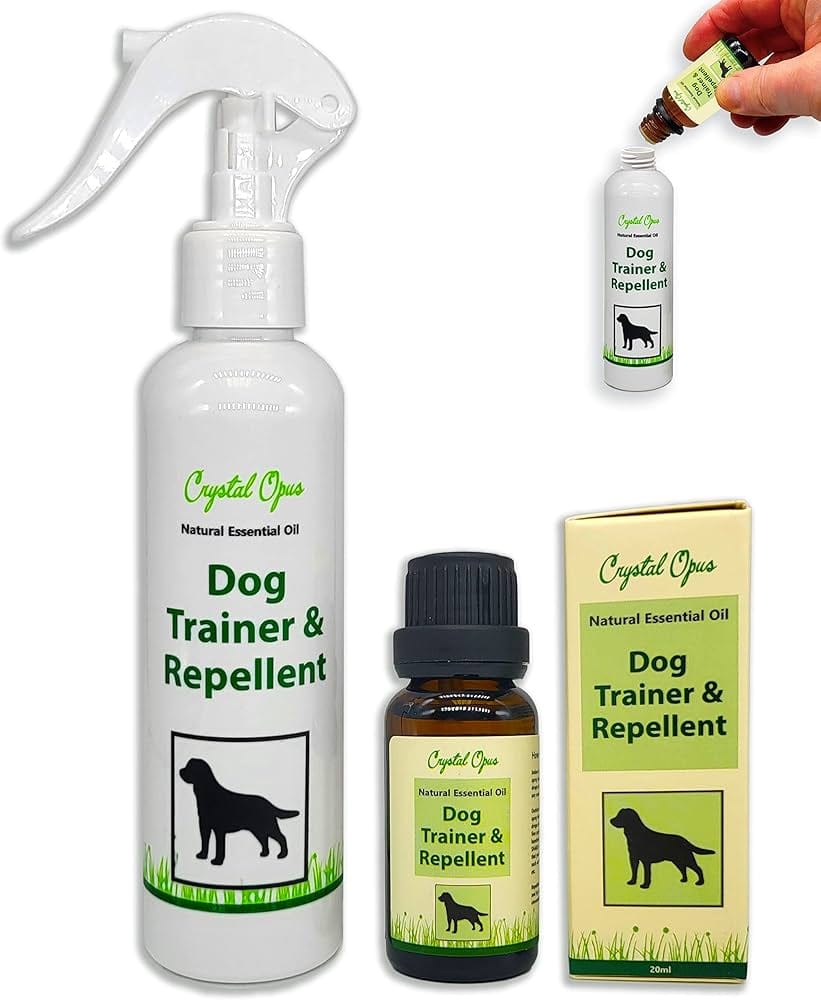
Teaching your dog new behaviors or correcting unwanted ones can be a rewarding experience. When it comes to training, there are various methods, and the squirt bottle is one that often sparks discussion. It’s a tool that, when used correctly and with the right intent, can be an effective part of a broader positive reinforcement strategy for squirt bottle dog training. This method focuses on immediate, gentle interruption rather than punishment, aiming to redirect your dog’s attention and discourage less desirable actions.
Understanding the “Why” Behind the Squirt Bottle
The core principle behind using a squirt bottle in dog training is interruption. It’s not about causing pain or fear, but about providing a surprising, yet harmless, sensory input that momentarily stops a behavior. Think of it as a sharp, consistent “eh-eh” sound or a sudden clap – something that makes the dog pause and think, “What was that?” and, crucially, disassociates the unpleasant sensation with you, the trainer, and instead with the action they were performing. This is particularly useful for behaviors that might be mildly annoying or even dangerous, like counter-surfing, excessive barking, or jumping on guests.
When to Consider a Squirt Bottle
- Redirecting Undesirable Habits: For persistent behaviors like chewing inappropriate items, begging at the table, or jumping up, a quick squirt can interrupt the action, giving you a window to redirect your dog to an acceptable alternative.
- Discouraging Nipping in Puppies: Young puppies explore the world with their mouths, and nipping is a natural part of their development. A squirt of water can startle them out of a too-hard nip, allowing you to immediately offer a chew toy.
- Interrupting Excessive Barking: If your dog barks incessantly at stimuli outside the window, a gentle squirt can break the barking cycle, giving you a chance to reward quiet behavior.
The Crucial “How” of Squirt Bottle Training
The effectiveness and ethical use of a squirt bottle hinge entirely on its application. Misuse can lead to fear, anxiety, and damage to your relationship with your dog.
Key Principles for Success:
- Timing is Everything: The squirt must occur the instant the undesirable behavior begins. If you wait even a few seconds, your dog won’t connect the water with their action, and the training will be ineffective, potentially creating confusion.
- Gentle and Brief: A short, quick burst of water is sufficient. It should be startling but not painful or frightening. Aim for the dog’s body, not their face, to avoid discomfort to their eyes and ears.
- Consistency is Key: Everyone in the household who interacts with the dog must be on the same page, using the squirt bottle consistently for the targeted behaviors.
- Pair with Positive Reinforcement: This is perhaps the most critical element. The squirt bottle is an interrupter, not a sole training method. As soon as the dog stops the undesirable behavior (or even looks at you after being squirted), immediately redirect them to a positive activity and reward them. This could be a treat, praise, or a favorite toy. You’re teaching them what to do instead of just what not to do.
- Know When to Walk Away: If your dog shows signs of fear, anxiety, or aggression when the squirt bottle is present, this method is not suitable for them. Their well-being and comfort are paramount.
Alternatives and Complementary Training Methods
While the squirt bottle can be a tool, it’s rarely the only solution. Many trainers advocate for a comprehensive approach that includes other positive reinforcement techniques.
Positive Reinforcement Techniques:
- Reward-Based Training: This involves rewarding desired behaviors with treats, praise, or toys. It’s highly effective for teaching commands and building a strong bond.
- Clicker Training: The clicker acts as a precise marker for desired behavior, immediately followed by a reward. It helps the dog understand exactly what action earned them the reward.
- Redirection: When you see your dog about to engage in an unwanted behavior, immediately redirect their attention to an appropriate toy or command. For instance, if they start chewing a shoe, offer them a chew toy and praise them when they engage with it.
- Management: Sometimes, the easiest way to prevent a behavior is to manage the environment. If your puppy is prone to chewing electrical cords, keep them out of reach. If your dog counter-surfs, keep food put away.
When a Squirt Bottle Might NOT Be the Best Choice
- Fearful or Anxious Dogs: For dogs already predisposed to anxiety, the startling nature of a squirt bottle can exacerbate their fears.
- Aggressive Dogs: If a dog displays aggression, aversive tools can heighten their defensiveness and make the situation more dangerous. Professional help is crucial here.
- Complex Behavioral Issues: Deep-seated behavioral problems often require a more nuanced approach from a certified professional dog trainer or veterinary behaviorist.
Integrating the Squirt Bottle into a Holistic Training Plan
Imagine your puppy is persistently nipping your ankles while you walk. Instead of just squirting them, you’d use the squirt bottle the moment the nipping starts (interruption). Then, the instant they stop, you’d immediately offer them a more appropriate chew toy, praising them enthusiastically when they take it (redirection and positive reinforcement). This combination teaches them that nipping your ankles leads to a surprising squirt, while chewing their toy leads to good things.
Similarly, if your dog jumps on guests, a gentle squirt can interrupt the jump. As they land, immediately ask for a “sit,” and reward them heavily when they comply. This teaches them that sitting is the way to greet people and receive attention.
Conclusion: A Tool, Not a Magic Wand
The squirt bottle, when used judiciously and as part of a positive, reward-based training program, can be an effective tool for managing and redirecting unwanted behaviors in dogs. It requires precision, consistency, and a deep understanding of your dog’s temperament. Always prioritize your dog’s emotional well-being. If the squirt bottle method causes distress, it’s time to explore other, gentler training avenues. Remember, the goal is to build a trusting, communicative relationship with your canine companion, and that’s a story worth telling.
