
Training your dog can be a rewarding experience, but it often comes with its challenges. When conventional methods aren’t yielding the desired results, many dog owners turn to tools that can aid in the training process. One such tool that has gained popularity is the spray bottle. Used correctly, a spray bottle can be an effective aid for training dogs, particularly for discouraging unwanted behaviors. However, it’s crucial to understand how to use it properly to avoid causing fear or anxiety in your canine companion. This guide will delve into the effectiveness of spray bottles for dog training, explore various applications, and provide best practices to ensure a positive training experience for both you and your dog.
Understanding the Psychology Behind Spray Bottle Training
The efficacy of a spray bottle in dog training often lies in its ability to provide a consistent, immediate, and startling, yet non-harmful, deterrent. When a dog performs an unwanted behavior, a quick spray of water can interrupt the action, redirecting their attention. This works on the principle of negative punishment, where an unpleasant stimulus (the spray) is applied to decrease the likelihood of a behavior. It’s vital to differentiate this from aversion therapy, which can be harmful. The key is to use the spray bottle as an interruptor, not a punisher applied directly to the dog’s face in a way that causes distress. The sound and sensation of the spray should be startling enough to break the dog’s focus on the undesirable action, but not so overwhelming that it instills fear.
Applications of Spray Bottles in Dog Training
The versatility of a spray bottle extends to several common training scenarios:
Discouraging Nipping and Biting
Puppies, in particular, explore the world with their mouths, and nipping is a natural part of their development. However, excessive nipping during play can be painful for humans. When a puppy nips too hard, a firm “Ouch!” followed by a quick, short spray of water (aimed near, not directly at, the face) can startle them into releasing. This teaches them that hard bites result in an unpleasant sensation, encouraging gentler play. This method needs to be applied judiciously and consistently.
Stopping Unwanted Barking
Excessive barking can be a nuisance. While understanding the root cause of barking is essential, a spray bottle can be used to interrupt nuisance barking. If your dog barks incessantly at passing cars or people, a brief spray as they begin to bark can interrupt the vocalization. The goal is to associate the barking with the unpleasant spray, thus reducing the frequency. However, it’s important to ensure the dog isn’t barking out of fear or anxiety, as this method could exacerbate those feelings.
Deterring Jumping on Furniture or People
Some dogs have a habit of jumping on furniture or people, which can be undesirable. When caught in the act, a quick spray can deter them. This needs to be paired with positive reinforcement for desired behaviors, such as staying off the furniture or greeting people calmly. For instance, when teaching a dog not to jump on guests, you might use the spray bottle when they attempt to jump, and then reward them with praise and a treat when all four paws are on the floor.
Preventing Chewing on Inappropriate Items
Chewing is a natural dog behavior, but it can be destructive if directed at furniture, shoes, or other household items. If you find your dog chewing on something they shouldn’t, a spray bottle can be used to interrupt this behavior. However, it’s crucial to provide plenty of appropriate chew toys to redirect this natural instinct. Bitter-tasting sprays are also available, which can be more effective for persistent chewers.
Best Practices for Using a Spray Bottle for Dog Training
To ensure the spray bottle is used effectively and ethically, adhere to these best practices:
- Use it as an Interrupter, Not a Punisher: The primary goal is to interrupt an unwanted behavior in the moment it occurs, not to punish the dog after the fact. Punishment after the event is ineffective and can lead to confusion and fear.
- Aim Carefully: Never spray water directly into your dog’s eyes, ears, or nose. Aim for the side of their body or towards their general direction. A slight dampening of their fur is sufficient.
- Timing is Crucial: The spray must be delivered immediately as the unwanted behavior begins. If there’s a delay, the dog won’t associate the spray with their action.
- Keep it Consistent: All household members should be aware of and use the spray bottle in the same manner. Inconsistency can confuse the dog and hinder progress.
- Pair with Positive Reinforcement: Training is most effective when positive methods are combined with deterrents. Reward your dog generously with praise, treats, and toys when they exhibit the desired behavior. For example, if you’re using the spray to deter jumping, reward them with praise when they keep all four paws on the ground.
- Understand Your Dog’s Temperament: Some dogs are more sensitive than others. If your dog shows signs of fear, anxiety, or aggression when the spray bottle is used, discontinue its use and explore other training methods. This method is not suitable for all dogs, especially those with existing fear issues.
- Consider Alternatives: For sensitive or fearful dogs, or for more deeply ingrained behavioral issues, other training techniques might be more appropriate. Consulting a professional dog trainer or a veterinary behaviorist is always recommended.
When to Avoid Using a Spray Bottle
While spray bottles can be a useful tool, there are situations where their use is not recommended:
- Fear-Based Aggression: If your dog’s unwanted behavior stems from fear or anxiety, a spray bottle can intensify these emotions and lead to aggression.
- Shy or Timid Dogs: Highly sensitive or timid dogs may be easily frightened by the spray, potentially damaging your bond and making future training more difficult.
- When You’re Angry: Never use the spray bottle out of frustration or anger. Your emotional state will affect your dog, and the training will likely be counterproductive.
- For Training Potty Habits: While some people use spray bottles for house-training accidents, it’s generally not recommended. Cleaning up accidents with an enzymatic cleaner and focusing on positive reinforcement for successful potty breaks is far more effective and humane. There are specific dog potty training spray products designed for marking areas, which are different from deterrent sprays.
The Role of Specific Sprays
Beyond plain water, specialized sprays are available:
- Bitter Sprays: These sprays have an unpleasant taste designed to deter chewing on furniture or other items. They are applied directly to the object your dog shouldn’t chew.
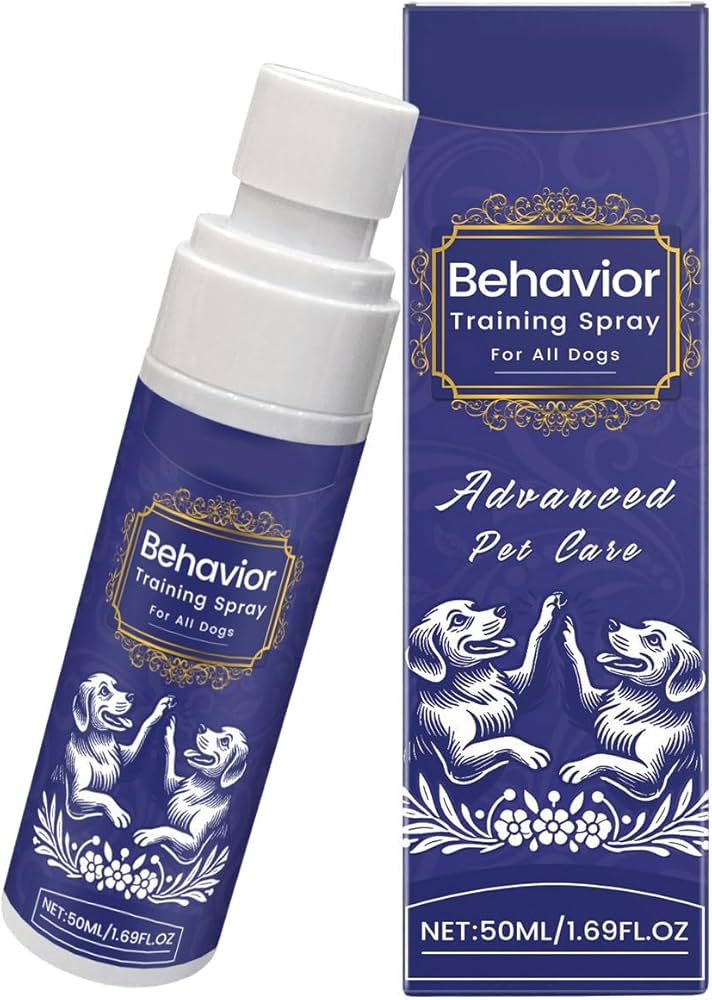
- Training Aid Sprays: Some products are marketed as “training aid sprays” that may contain natural calming agents or other ingredients intended to help focus a dog’s attention. However, the effectiveness can vary greatly.
It’s important to research any specialized spray thoroughly and always perform a patch test on an inconspicuous area to ensure it doesn’t damage surfaces. When dealing with destructive chewing, exploring resources like dog training with spray bottle can offer more targeted advice.
Conclusion: A Tool, Not a Miracle Cure
A spray bottle can be a valuable tool in a dog owner’s training arsenal when used correctly and thoughtfully. It serves as an effective interruptor for a range of unwanted behaviors, from nipping to excessive barking. However, it’s crucial to remember that it is just one tool among many. The most successful dog training strategies are built on a foundation of positive reinforcement, clear communication, and a deep understanding of your dog’s individual needs and temperament. By employing the spray bottle judiciously, focusing on the moment of misbehavior, and always pairing it with positive interactions, you can effectively guide your dog toward better behavior and strengthen the bond you share. Remember, consistent training and patience are key to raising a well-behaved canine companion. For more advanced techniques, consider exploring options like snake avoidance training for dogs.
