
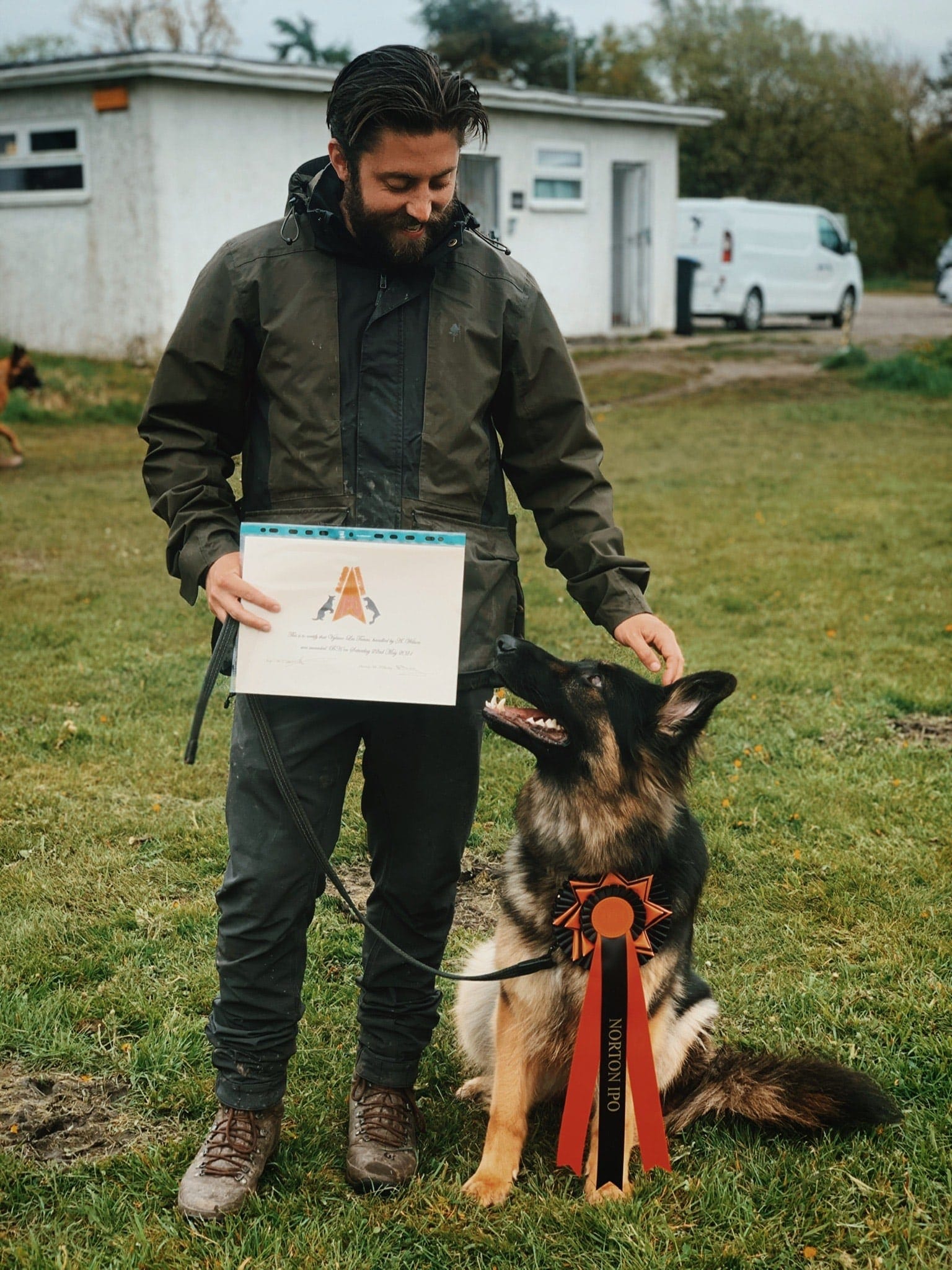
Are you looking for the best ways to train your canine companion for athletic endeavors? Whether your dog excels at agility, obedience, or other canine sports, finding the right “Sport Dog Training Near Me” can make all the difference. This guide delves into the world of sport dog training, offering insights into common disciplines, effective training methods, and how to choose the right program for your four-legged athlete. From the initial puppy stages to advanced techniques, we’ll cover essential aspects to help your dog reach its full potential while strengthening your bond.
Understanding Sport Dog Training
Sport dog training focuses on developing a dog’s natural abilities and channeling them into specific activities or sports. It’s more than just basic obedience; it involves specialized techniques that enhance a dog’s physical and mental capabilities. These sports not only provide excellent exercise and mental stimulation for dogs but also foster a deeper connection between dog and owner.
Popular Canine Sports and Disciplines
The world of dog sports is vast and diverse, catering to a wide range of breeds and temperaments. Some of the most popular disciplines include:
- Agility: A fast-paced obstacle course where dogs navigate tunnels, jumps, weave poles, and A-frames under the handler’s guidance. This sport tests a dog’s speed, accuracy, and intelligence.
- Obedience Trials: Dogs perform a precise series of exercises, demonstrating their training and responsiveness to commands. This includes heeling, recalls, stays, and retrieving.
- Dock Diving: Dogs leap into a body of water to catch a thrown toy, with competitions judged by the distance of the jump. This is a fantastic sport for water-loving breeds.
- Flyball: A team relay race where dogs race down a track, trigger a ball-retrieval mechanism, and return with the ball to their team.
- Disc Dog (Frisbee): Involves dogs catching frisbees thrown by their handlers, with various events focusing on distance, accuracy, and choreographed routines.
- Herding: For breeds with natural herding instincts, this sport simulates the management of livestock.
The Role of a Sport Dog Trainer
A qualified sport dog trainer possesses a deep understanding of canine behavior, learning theory, and the specific demands of various dog sports. They are adept at:
- Assessing a dog’s aptitudes and temperament.
- Developing personalized training plans.
- Teaching advanced obedience and specific sport-related skills.
- Ensuring the safety and well-being of the dog throughout the training process.
- Guiding owners on how to effectively communicate with and motivate their dogs.
Finding the Right Sport Dog Training Near Me
Choosing the right training facility or individual trainer is crucial for your dog’s success and enjoyment. Here’s what to look for when searching for “sport dog training near me”:
Key Factors to Consider
- Trainer’s Experience and Qualifications: Look for trainers with proven experience in the specific sport you’re interested in. Certifications from reputable organizations are a good indicator of their expertise. Do they have testimonials or success stories from other sport dog handlers?
- Training Philosophy: Ensure their training methods align with your values. Positive reinforcement techniques are widely considered the most effective and humane approach for sport dog training. Avoid trainers who rely heavily on harsh corrections or punishment.
- Facility and Equipment: A good training facility should be clean, safe, and equipped with the necessary obstacles and tools for the sports offered. Consider the size and condition of the training areas.
- Class Structure and Size: Small class sizes often allow for more personalized attention. Understand the progression of classes, from beginner to advanced levels.
- Specialization: Some trainers specialize in particular sports. If you have a specific discipline in mind, seek out a trainer with expertise in that area. For example, if you are interested in agility, you might look for “dog agility training near me.”
- Location and Schedule: Convenience is important. Check if the training location is easily accessible and if their class schedule fits your availability. If you live in or near Lafayette, Colorado, you might search for “[dog training lafayette co]” to find local options. Similarly, in the Bay Area, “[dog training bay area ca]” would be a relevant search.
The Importance of Early Training
Introducing your dog to training, including foundational sport skills, at an early age can be highly beneficial. Puppy classes often introduce basic agility concepts or focus on building a strong owner-dog bond, which is fundamental for any sport. For specific equipment like a “[sport dog training collar manual]”, understanding its use from an experienced trainer is vital.
“Starting sport training early not only builds crucial skills but also strengthens the partnership between dog and handler, making the entire experience more rewarding.”
Essential Sport Dog Training Techniques
Effective sport dog training relies on a combination of solid obedience, clear communication, and sport-specific skills.
Building a Strong Obedience Foundation
Before diving into complex sport maneuvers, ensure your dog has mastered basic obedience cues. This includes:
- Recall: A reliable recall is paramount for safety in many dog sports.
- Heeling: Teaching your dog to walk calmly and attentively by your side is fundamental for sports like obedience and agility.
- Stays: Reliable stays are crucial for obedience trials and many agility sequences.
- “Send-Outs”: Training your dog to move away from you on command is essential for sports like agility and disc dog.
If you’re looking for “[german shepherd dog training near me]”, focusing on these foundational obedience skills with a breed known for its trainability and athleticism is a great starting point.
Positive Reinforcement Methods
Positive reinforcement involves rewarding desired behaviors to increase their frequency. This can include:
- Treats: High-value treats are excellent motivators.
- Praise: Verbal encouragement and affection.
- Toys: Using a favorite toy as a reward, especially in sports like flyball or disc dog.
- Clicker Training: Using a clicker to mark the exact moment a dog performs the correct behavior, followed by a reward.
This method builds trust and enthusiasm, making training a fun and engaging experience for your dog. Reviews for trainers, such as those for “[got sit dog training reviews]”, often highlight the effectiveness of positive reinforcement.
Introduction to Sport-Specific Skills
Once a solid foundation is in place, you can begin introducing sport-specific skills:
- Agility Obstacles: Gradually introduce obstacles like low jumps, tunnels, and weave poles, always ensuring the dog’s comfort and safety.
- Disc Handling: Teach your dog to track and catch a disc.
- Dock Diving Techniques: Encourage water entry and build confidence in jumping.
Health, Nutrition, and Safety for Canine Athletes
Caring for a sport dog requires attention to their physical well-being to prevent injuries and ensure peak performance.
Nutrition for Active Dogs
Sport dogs have higher energy demands than sedentary pets. A balanced diet rich in high-quality protein, healthy fats, and essential vitamins and minerals is crucial. Consult your veterinarian about the best diet for your dog’s breed, age, and activity level.
Injury Prevention and Management
- Warm-up and Cool-down: Always incorporate a warm-up before training or competition and a cool-down afterward.
- Appropriate Conditioning: Gradually increase the intensity and duration of training to build stamina and muscle strength.
- Veterinary Care: Regular check-ups with your vet are essential. Be aware of common sports-related injuries in dogs, such as cruciate ligament tears or soft tissue strains, and seek professional help if you suspect an injury.
Safe Use of Training Equipment
When using specialized equipment, such as training collars, always refer to the “[sport dog training collar manual]” for proper fitting and usage. Misuse can lead to discomfort or injury. Prioritize equipment that is safe, appropriate for your dog’s size and strength, and designed for positive training outcomes.
The Bond Between Handler and Dog
Beyond the physical training, sport dog activities are about building an unbreakable partnership. The communication, trust, and mutual understanding developed through training and competition create a unique and fulfilling relationship. Celebrating small victories, maintaining a positive attitude, and enjoying the journey together are as important as any championship title.
By understanding the principles of sport dog training and finding the right resources, such as excellent “[got sit dog training reviews]” or local “[dog training lafayette co]” options, you can unlock your dog’s athletic potential and create lasting memories together. Remember, the most successful sport dogs are those trained with patience, positive reinforcement, and a deep love for their human partners.
