
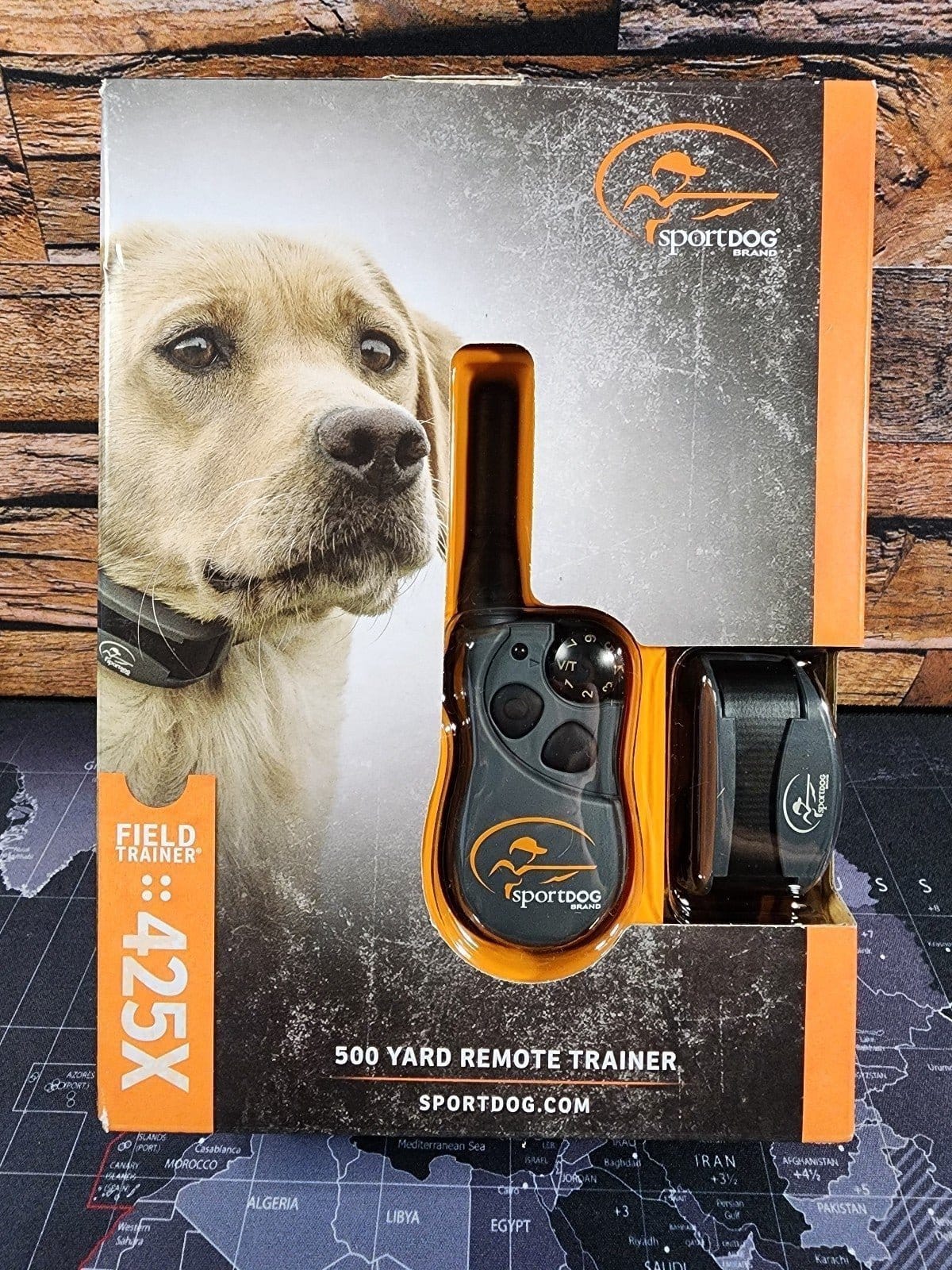
Welcome to the world of advanced canine training with SportDOG Brand remote trainers. This manual is designed to guide you through the features, operation, and best practices of using your SportDOG remote training collar, ensuring a safe, effective, and rewarding experience for both you and your beloved dog. Whether you’re refining basic obedience or tackling complex off-leash training, understanding your equipment is the first step towards unlocking your dog’s full potential.
Understanding Your SportDOG Remote Trainer
SportDOG Brand is renowned for its durable and reliable e-collars, built to withstand the demands of serious training. Before you begin, familiarize yourself with the core components: the transmitter (remote) and the receiver collar. The transmitter is your control unit, allowing you to send signals to the receiver. The receiver, worn by your dog, delivers stimulation, vibration, or tone, depending on the model and settings you choose.
Key Features to Explore
SportDOG offers a range of models, each with specific features. However, common elements include:
- Adjustable Stimulation Levels: This is crucial for tailoring the training to your dog’s sensitivity and responsiveness. Starting at the lowest effective level is always recommended.
- Range Capabilities: SportDOG collars are designed for various training scenarios, from close-quarters work to extensive field training, with specified ranges for signal transmission.
- Multiple Dog Training: Many SportDOG systems allow you to train up to three dogs with a single transmitter, a significant advantage for handlers with multiple canine partners.
- Waterproof Design: Both transmitters and receivers are typically built to be fully waterproof, allowing training in all weather conditions and near water.
- Rechargeable Batteries: Long-lasting, rechargeable batteries ensure your equipment is ready when you are.
Getting Started: Initial Setup and Fit
Proper fit and initial setup are paramount for both comfort and effectiveness.
Fitting the Receiver Collar
- Placement: The receiver should sit snugly on your dog’s neck, high up and close to the head. It should not be loose enough to slide around, nor too tight to restrict breathing or cause discomfort.
- Contact Points: Ensure the metal contact points are making firm contact with your dog’s skin. If your dog has a thick coat, you may need to trim the fur around the contact points.
- The Two-Finger Rule: You should be able to comfortably slide two fingers between the collar strap and your dog’s neck. This ensures it’s secure but not constricting.
Pairing the Transmitter and Receiver
Consult your specific model’s manual for detailed pairing instructions, as this process can vary. Generally, it involves a sequence of button presses on the transmitter and receiver to establish a communication link. This is often done during the initial setup and whenever you need to re-pair devices.
Basic Operation: Command and Correction
The core of remote training involves using the transmitter to reinforce desired behaviors and discourage unwanted ones.
Understanding Stimulation Levels
- Low Level: For most dogs, training should begin at the lowest stimulation level that elicits a response. This response is often a slight head turn, ear flick, or a momentary pause in activity. This is your dog’s “awareness” level.
- Working Level: This is the level at which your dog consistently understands and responds to your command. It should be firm enough to get their attention but not so high that it causes panic or distress.
- High Level: Reserve higher levels for very stubborn dogs or specific situations where a strong correction is necessary. Always proceed with caution and return to lower levels once the desired behavior is achieved.
Implementing Commands
- Pre-training: Ensure your dog understands basic commands (like “sit,” “stay,” “come”) through traditional methods before introducing the remote collar.
- Sending the Signal: When you give a verbal command, simultaneously press the appropriate button on the transmitter for the desired stimulation level.
- Dog’s Response:
- Correct Response: If your dog performs the command, immediately release the stimulation and offer praise or a treat. This positive reinforcement is critical.
- No Response: If your dog doesn’t respond, maintain the stimulation at the working level until they comply. Once they do, release the stimulation and praise them.
- Distracted Response: If your dog is distracted, increase the stimulation slightly to regain their attention, then release it upon compliance.
- Consistency is Key: Use the collar consistently for specific commands to build a clear association.
Advanced Training Techniques and Safety
As you progress, consider these advanced techniques and crucial safety measures.
Introducing Different Correction Types
Beyond continuous or momentary stimulation, SportDOG offers options like tone or vibration. These can be effective for dogs that are highly sensitive or for specific training cues. For example, a vibration might be used to get a dog’s attention before a command, or a tone could signal a warning.
Training with Multiple Dogs
If you’re training multiple dogs, ensure each receiver is properly paired with the correct dog and transmitter setting. Use the dog select button on your transmitter to switch between dogs, applying commands and corrections individually. This requires significant focus and practice to avoid confusion.
Safety Precautions
- Never Use as Punishment: The remote collar is a training tool, not a tool for punishment or venting frustration. Misuse can damage your relationship with your dog and create behavioral problems.
- Avoid Over-Stimulation: Continuously applying high levels of stimulation can lead to fear, anxiety, or aggression. Always strive to find the lowest effective level.
- Monitor Your Dog: Regularly check your dog’s neck for any signs of irritation, sores, or discomfort from the contact points. Remove the collar immediately if you notice any issues and consult a veterinarian.
- Gradual Progression: Don’t rush the training process. Allow your dog time to learn and adapt to the signals. Celebrate small successes.
- Professional Guidance: If you encounter significant challenges or are unsure about any aspect of training, seek guidance from a certified professional dog trainer experienced with remote collars. They can help you tailor the training to your specific dog and situation. For instance, understanding how to introduce a dog scent training kit alongside remote collar work can be beneficial for specific scent-related tasks.
Troubleshooting Common Issues
Even with reliable equipment, issues can arise. Here are some common problems and solutions.
Transmitter Not Working
- Check Battery: Ensure the transmitter is fully charged or has fresh batteries.
- Range: Make sure you are within the transmitter’s operational range. Obstacles like hills, trees, or buildings can reduce effective range.
- Pairing: Re-pair the transmitter and receiver according to your model’s instructions.
Receiver Not Responding
- Battery: Verify the receiver collar has a charged battery.
- Contact Points: Ensure the contact points are clean and making good skin contact.
- Dog Select Button: If training multiple dogs, confirm the correct dog is selected on the transmitter.
- Damage: Inspect the receiver for any physical damage.
Maintaining Your SportDOG Gear
Proper maintenance ensures the longevity and performance of your SportDOG remote training collar.
Cleaning
- Transmitter: Wipe with a damp cloth. Avoid submerging the transmitter unless it is specifically rated as waterproof.
- Receiver Collar: Clean the strap with mild soap and water. Ensure the contact points are clean and free of debris. Rinse thoroughly and allow to air dry completely. Never use harsh chemicals or abrasive cleaners.
Charging
- Use only the charger provided by SportDOG Brand.
- Charge batteries fully before the first use and periodically if the equipment is stored for extended periods.
- Avoid leaving batteries constantly plugged in after they are fully charged, as this can reduce battery lifespan.
Conclusion: Building a Stronger Bond
Your SportDOG Brand remote trainer is a powerful tool that, when used correctly and ethically, can significantly enhance your communication and bond with your dog. By understanding the equipment, practicing consistent and positive training methods, and prioritizing your dog’s well-being, you can achieve remarkable training success. For those looking to expand their training toolkit, exploring options like the Garmin dog training collar or Dog Training Collars with Remote can offer alternative or complementary solutions. Remember, the journey of training is as rewarding as the destination, and with SportDOG, you’re equipped for every step.
Frequently Asked Questions (FAQ)
Q1: How often should I use the remote trainer on my dog?
A1: Frequency depends on your training goals. Short, consistent daily sessions are generally more effective than infrequent long ones. Always end on a positive note.
Q2: Can I use a SportDOG collar on any dog?
A2: SportDOG collars are designed for dogs of a certain size and temperament. Always consult your veterinarian or a professional trainer to ensure the collar is appropriate for your specific dog’s breed, age, health, and temperament.
Q3: What is the difference between continuous and momentary stimulation?
A3: Momentary stimulation delivers a brief burst of correction, while continuous stimulation lasts as long as you hold the button down (up to a maximum duration set by the device). Momentary is often preferred for immediate responses, while continuous can be used for sustained corrections.
Q4: Is it safe to use a remote trainer in water?
A4: Many SportDOG Brand remote trainers are waterproof. However, always check your specific model’s specifications and ensure the transmitter and receiver are properly sealed before submersion.
Q5: My dog seems scared of the collar. What should I do?
A5: If your dog shows fear, anxiety, or aggression, immediately stop using the collar and reassess your training approach. Ensure you are starting at the lowest possible stimulation level and that the collar fits correctly. Consult a professional trainer for guidance.
Q6: How do I know which SportDOG model is best for me?
A6: Consider your dog’s breed, size, temperament, and your training needs. Factors like desired range, number of dogs to train, and specific features (like vibration or tone) will influence your choice. Resources like top rated dog training collars can help you compare options.
Q7: Can I use a SportDOG collar for bark control?
A7: Some SportDOG models include bark control functions. These collars automatically detect barking and deliver a correction. Ensure the model you choose has this feature if it’s a primary training goal. Other brands like dog training collar SportDOG also offer specific bark control solutions.
