
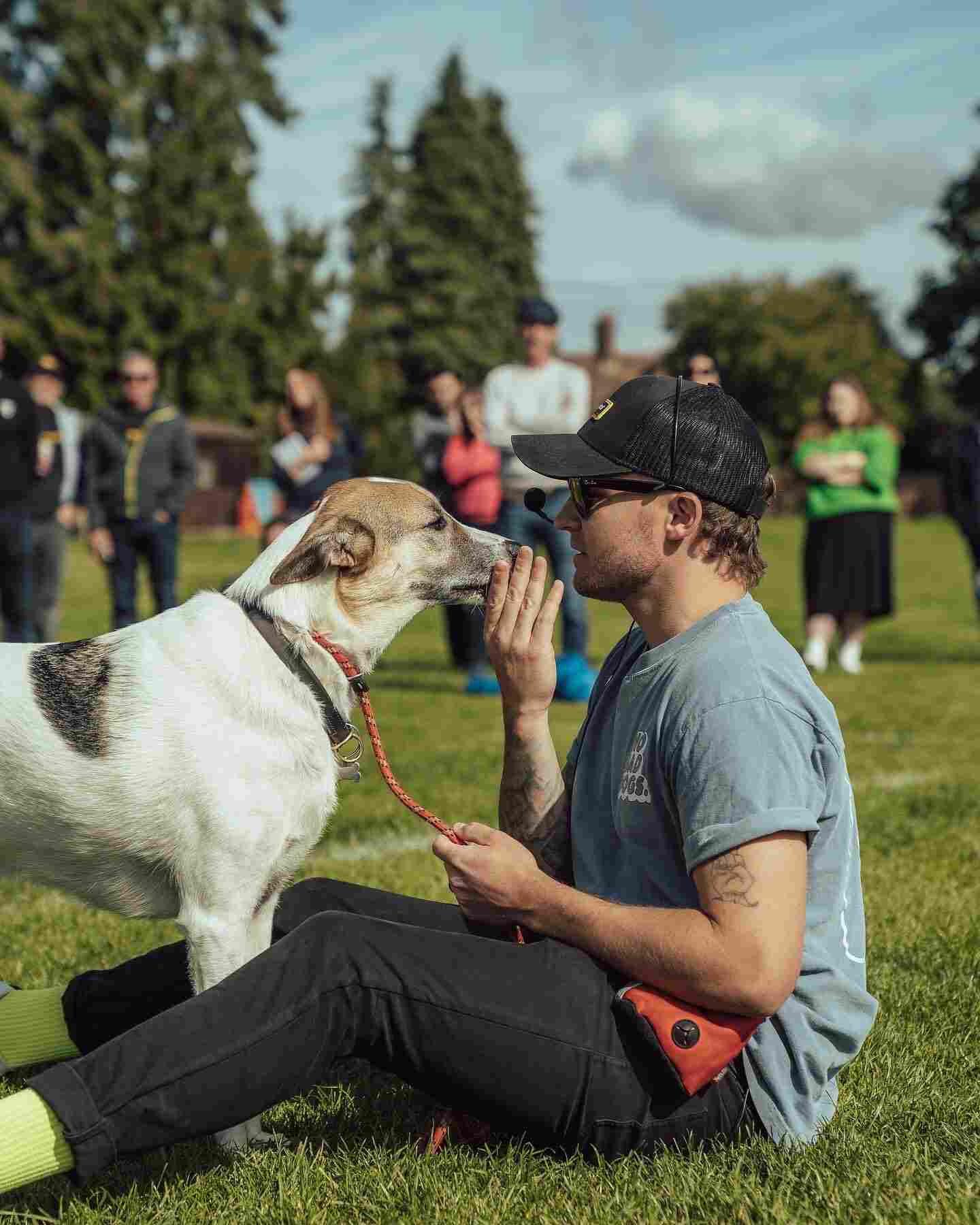
Recall is arguably the most crucial command you can teach your dog. It’s not just about convenience; it’s a vital safety feature that can prevent your furry friend from running into traffic, getting lost, or encountering dangerous situations. Building a reliable recall is a journey that requires patience, consistency, and a deep understanding of your dog’s motivations. This guide will walk you through the essential steps and strategies to cultivate an unwavering recall, ensuring your dog always comes back to you, no matter the distractions.
The foundation of a strong recall lies in positive reinforcement. Your dog needs to understand that coming to you is the most rewarding experience they can have. This means using high-value treats, enthusiastic praise, and exciting play as motivators. Start in a controlled environment, like your home or a securely fenced yard, where distractions are minimal.
The Building Blocks of a Reliable Recall
Before you even utter the recall command, you need to establish a strong association between a cue and a positive outcome.
Choosing Your Recall Cue
Select a distinct word or sound that you will exclusively use for recall. This could be “Come,” “Here,” or a unique whistle. Avoid using this cue for anything else, as it can dilute its meaning. Consistency is key; ensure all family members use the same cue.
High-Value Rewards
Identify what truly motivates your dog. For some, it’s a piece of cooked chicken or cheese; for others, it’s a favorite squeaky toy or a vigorous game of tug. Reserve these high-value rewards only for recall training. This makes coming to you an exceptionally desirable event.
Starting in a Low-Distraction Environment
Begin training in a quiet, familiar space, such as inside your home. With your dog at a short distance, say their name followed by your recall cue in a cheerful, inviting tone. When they look at you or move towards you, offer immediate praise and a reward. Gradually increase the distance as your dog becomes more consistent.
Making it a Game
Turn recall training into a fun game. Play “recall hide-and-seek” with family members. One person holds the dog while the other moves a short distance away and calls the dog. When the dog reaches the caller, they receive praise and a reward. Then, switch roles. This playful approach reinforces the positive association with coming to you.
Introducing Distractions Gradually
Once your dog reliably responds in a controlled environment, it’s time to introduce distractions. This is where the real work of building a bomb-proof recall begins.
Controlled Distractions
Start with mild distractions. This could be another person in the room, a favorite toy placed a few feet away, or a quiet outdoor setting. Call your dog and reward them generously for coming. If they hesitate or don’t respond, the distraction is too high. Reduce the difficulty and try again.
Increasing Distractions
As your dog’s success rate improves, gradually increase the level of distraction. This might involve training at a local park during off-peak hours, or with another dog present but at a safe distance. Always ensure the environment is secure to prevent your dog from getting into trouble if they don’t respond perfectly.
The “Nothing in Life is Free” Approach
Implement the “nothing in life is free” philosophy. Before your dog gets anything they want – food, a walk, a toy, affection – ask them to perform a recall. This reinforces that coming to you is always the most beneficial action. This consistent practice is similar to how professional trainers prepare dogs for demanding tasks; for instance, learning how to train a hunting dog requires a strong foundation of responsiveness.
Advanced Recall Techniques and Troubleshooting
Even with the best training, there will be challenges. Understanding common issues and advanced techniques can help you overcome them.
The “Come” Command vs. “Get Your [Toy]”
Be careful not to overuse the recall cue in negative situations. For example, if you need to end playtime, don’t call your dog to you and then immediately put them in their crate. Instead, call them, reward them, and then give them their next cue (e.g., “Kennel up”). This maintains the positive association with the recall command. For owners who need to manage their dog’s behavior more precisely, tools like a sport dog training collar remote can be beneficial when used ethically and correctly, following expert guidance.
What to Do When Your Dog Ignores You
If your dog is distracted and ignores your recall cue, don’t repeat it endlessly. This teaches them that the command is optional. Instead, try to make yourself more exciting. Move away from your dog, clap your hands, or use a happy, playful tone. If they still don’t come, go to them, but try to keep the interaction neutral or even slightly discouraging, then try again later in a less distracting environment. This is a fundamental principle in dog behavior, and understanding it can also help when considering the best training e-collar for dogs – always prioritizing positive methods and professional advice.
Using a Long Line
For outdoor training in unsecured areas, a long line (15-30 feet) is invaluable. It allows your dog a sense of freedom while maintaining a physical connection and control. Call your dog, and if they don’t respond, give a gentle tug on the line to guide them towards you. Reward them enthusiastically when they reach you. This is a crucial step before allowing off-leash freedom. The reliability achieved with such tools can be compared to the precision required in advanced training, such as with a tri tronics sport basic g3 dog training collar.
Proofing Against High-Level Distractions
This is the final stage and involves practicing recall around highly stimulating environments. Think busy parks, areas with wildlife, or around other dogs playing. Continue to use high-value rewards and ensure your dog is successful. If they fail, it means you need to go back a step and practice with fewer distractions. Remember that a well-trained dog is a happy dog, and a reliable recall is key to unlocking a world of freedom and adventure for both of you. Exploring different training aids, such as those offered by brands like SportDOG, can further enhance your training efforts, as seen with various dog training collar sportdog options.
The Lifelong Commitment to Recall
Recall training is not a one-time event; it’s an ongoing process. Continue to practice recall regularly, even with your well-trained dog. Vary your rewards, practice in different environments, and always keep it fun. A strong recall is a testament to the bond you share with your dog, built on trust, communication, and mutual respect. It’s the ultimate expression of your partnership, ensuring countless safe and joyful adventures together.
