
Have you ever felt a profound connection to the untamed wild, a sense of freedom so pure it feels almost spiritual? For centuries, humanity has channeled this feeling into a powerful symbol: the horse. More than just an animal, the horse in folklore often transcends the physical, becoming a guide, a guardian, and a messenger from another realm. The Spirit Horse Story is a timeless narrative, woven into the fabric of cultures across the globe, representing the unbreakable bond between nature, humanity, and the spiritual world. It speaks to the wild spirit within each of us, a longing for freedom, strength, and a connection to something greater than ourselves.
This narrative is far more than a simple fairytale; it’s a reflection of our deepest aspirations and fears. Whether galloping across the plains of North America in Native American lore or thundering through the misty highlands of Celtic myth, the spirit horse embodies power, wisdom, and an untamable essence. This exploration will delve into the heart of the spirit horse story, uncovering its origins, its diverse cultural interpretations, and the reasons why this powerful archetype continues to captivate our imagination and stir our souls. The story of these magnificent creatures is in many ways similar to the powerful narratives found in an american horse short story, which often explores themes of freedom and resilience.
What Defines a Spirit Horse?
Unlike a typical horse, a spirit horse is not merely an animal of flesh and blood. It is an archetypal figure, a being that often bridges the gap between the known world and the great unknown. While interpretations vary, several core characteristics define this mythical creature.
First and foremost, a spirit horse possesses an ethereal or supernatural quality. It might be depicted as a ghostly apparition, a horse made of mist, wind, or starlight, or one that can appear and disappear at will. This otherworldly nature signifies its role as a being that is not bound by the physical laws of our world. It operates on a higher plane, serving as a conduit to the spiritual realm.
Secondly, the spirit horse is intrinsically linked to the natural world. It is the embodiment of the wind sweeping across the prairie, the storm crashing on the shore, or the quiet strength of the ancient mountains. This connection emphasizes a deep ecological wisdom, reminding us that the spiritual is not separate from the natural world but is deeply embedded within it. The narrative of the spirit horse is a celebration of untamed landscapes, a theme that resonates deeply in tales like the wild horses story, which captures the essence of untethered freedom.
Finally, a spirit horse often serves a specific purpose, acting as a guide, protector, or omen. It may appear to a hero in a time of need, offering wisdom and guidance to navigate a perilous journey. In other tales, it acts as a psychopomp, a creature that guides souls to the afterlife. Its appearance is never random; it is a significant event, a message from the gods or the universe itself, demanding attention and respect.
The Spirit Horse in Native American Traditions
Perhaps nowhere is the spirit horse story more profound than in the traditions of the Indigenous peoples of North America. The arrival of the horse in the 16th century revolutionized life on the plains, becoming integral to hunting, travel, and warfare. But its significance quickly grew beyond the practical into the deeply spiritual. The horse was seen as a sacred gift from the Creator, a being of immense spiritual power.
In many tribal cultures, horses became central to ceremonies and spiritual beliefs. They were considered brothers, allies, and powerful spirit guides. A warrior’s bond with his horse was legendary, often believed to extend beyond death. This deep connection is beautifully explored within the specific context of the navajo horse story, which highlights the animal’s sacred role. The horse’s colors, markings, and even its dreams were interpreted for spiritual meaning and guidance.
For the Lakota, Cheyenne, and other Plains tribes, the horse was a symbol of freedom, mobility, and strength. A man with many fine horses was not just wealthy but was considered blessed by the spirits. These animals were extensions of a person’s own spirit, and their well-being was paramount. Stories abound of horses that would warn their riders of danger, lead them to safety, or fight with a courage that mirrored that of the bravest warriors. This incredible bravery is a common thread in equine legends, much like the tales of the war horse true story warrior, where courage in the face of adversity is a central theme.
According to fictional cultural historian Dr. Elena Vance, “In many Native American cosmologies, the spirit horse is not just an animal guide but a physical manifestation of prayer and intention. To see a powerful horse in a vision was to receive a direct message about one’s path and purpose. It was a conduit for spiritual energy.”
This sacred connection demonstrates that the spirit horse was not just a story but a lived reality, a fundamental part of a worldview that saw the divine in all aspects of the natural world.
Common Themes in Every Spirit Horse Story
While the specifics may change from culture to culture, the core themes woven into every spirit horse story are remarkably universal. These recurring ideas speak to fundamental aspects of the human condition, which is why these tales continue to resonate so powerfully.
The Untamable Spirit of Freedom
The most prominent theme is, without a doubt, freedom. The spirit horse represents a wildness that cannot be broken or tamed. It is the embodiment of the free spirit, the desire to run without restraint across open lands. This resonates with our own innate longing for autonomy and self-determination. The spirit horse reminds us that there is a part of our soul that must remain wild and free, unbound by the constraints of society.
Guidance and Divine Intervention
These mystical creatures often appear at a crucial crossroads in a character’s life, offering wisdom and guidance. They are emissaries of the divine, sent to help mortals navigate challenges that seem insurmountable. This theme speaks to our hope for guidance in times of uncertainty, the belief that we are not alone and that forces greater than ourselves are watching over us. The wisdom of these beings is often depicted as ancient and profound, much like the lessons learned from an old horse short story.
Transformation and Rebirth
Encountering a spirit horse is often a transformative experience. It can mark a rite of passage, a spiritual awakening, or a fundamental shift in a person’s destiny. By connecting with the spirit horse, a character often discovers their own inner strength and untapped potential. The horse acts as a catalyst for change, pushing the hero to become the person they were always meant to be. This journey of transformation is a powerful metaphor for our own personal growth and evolution.
The Power of the Natural World
The spirit horse is a powerful reminder of the magic and sanctity of nature. In an increasingly urbanized world, these stories call us back to the wild, reminding us of the spiritual nourishment that can be found in the untamed landscape. The horse’s connection to the elements—wind, water, earth, and fire—reinforces the idea that we are part of a larger, interconnected ecosystem, and that spiritual power is rooted in the earth itself.
Modern Interpretations in Film and Literature
The archetype of the spirit horse has not faded with time. In fact, it continues to be a powerful and recurring figure in modern storytelling, most notably in film and literature. These contemporary interpretations have introduced the spirit horse story to new generations, ensuring its enduring legacy.
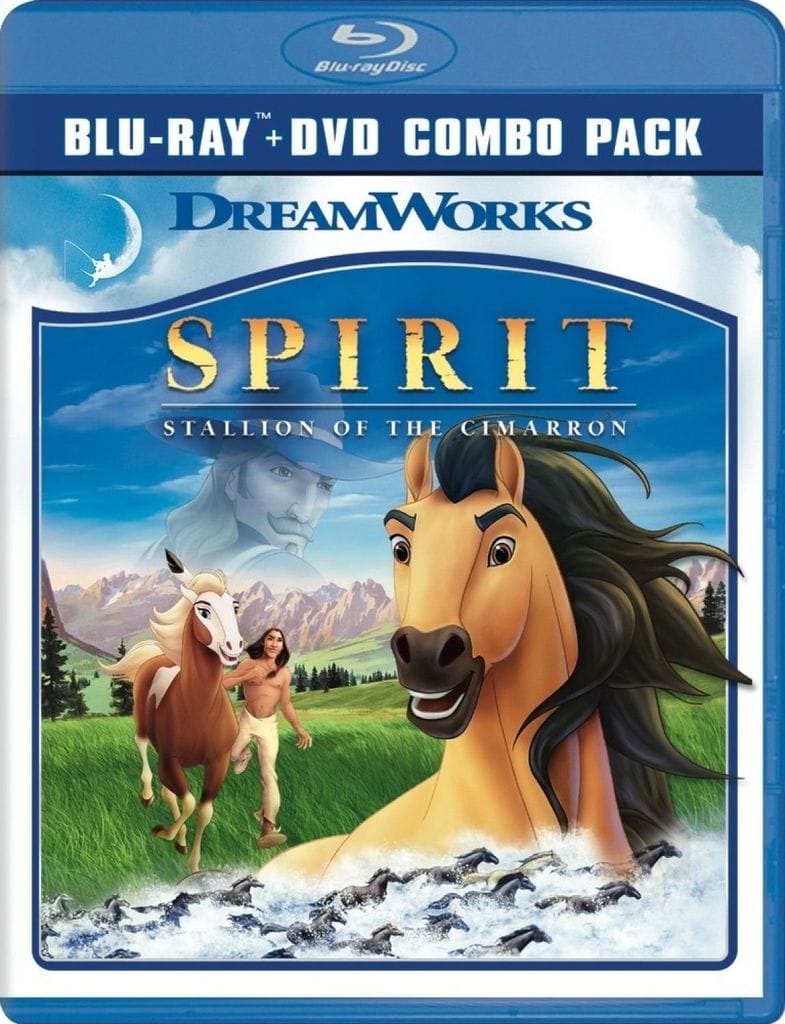
The most famous modern example is arguably the 2002 DreamWorks animated film, Spirit: Stallion of the Cimarron. The film masterfully captures the essence of the spirit horse, portraying Spirit not as a talking animal, but as a being whose thoughts and emotions are conveyed through body language and music. He is the embodiment of the untamed American West, a symbol of freedom and resilience in the face of relentless colonization and industrialization. His refusal to be broken speaks directly to the core themes of the classic spirit horse archetype. The film resonated with audiences worldwide precisely because it tapped into that universal longing for a wild and free existence.
Beyond this iconic film, the spirit horse appears in numerous fantasy novels and series. In worlds of magic and epic quests, these creatures often serve as mounts for heroes, chosen for their intelligence, loyalty, and supernatural abilities. They are not mere transportation but are companions, advisors, and powerful allies in the fight against darkness. Authors use them to symbolize purity, nobility, and an unbreakable connection to the magical forces of their world.
These modern stories prove that the spirit horse is a flexible and enduring symbol. While the context may change from the ancient plains to the pages of a fantasy novel or the silver screen, its core meaning remains the same. It continues to represent the wild, untamable spirit that we all admire and aspire to connect with.
Frequently Asked Questions about Spirit Horses
What is the most famous spirit horse story?
While many exist, the stories surrounding the sacred role of horses in Native American Plains cultures are among the most profound and well-documented. In modern media, the film Spirit: Stallion of the Cimarron is arguably the most famous and accessible interpretation for global audiences.
Do spirit horses have special powers?
Yes, in most legends, spirit horses possess abilities beyond those of normal horses. These can include superhuman speed and stamina, the ability to become invisible or walk on water, and the capacity for telepathic communication with their chosen rider. Their primary “power,” however, is their deep spiritual wisdom and connection to nature.
Are spirit horses always good?
Generally, spirit horses are depicted as benevolent guides and protectors, representing forces of nature and divinity. However, in some folklore, such as the Celtic tales of the Kelpie, a water horse spirit can be a dangerous and malevolent creature that lures humans to their doom. This highlights the dual nature of the wild: beautiful and life-giving, but also dangerous and unforgiving.
What does it mean to dream of a spirit horse?
In many spiritual and psychological interpretations, dreaming of a spirit horse symbolizes a call to embrace your own personal power, freedom, and intuition. It may suggest that you are on the verge of a spiritual journey or that you need to connect more deeply with your instincts and the natural world.
How can I connect with the “spirit horse” energy?
Connecting with the spirit horse is a metaphorical journey. It involves spending time in nature, listening to your intuition, and identifying and breaking free from the personal limitations holding you back. It’s about cultivating the wild, resilient, and free part of your own spirit.
The Gallop That Echoes Through Time
The spirit horse story is more than a myth; it is a mirror reflecting our own deepest yearnings for freedom, connection, and purpose. From the sacred plains of North America to the mystical realms of fantasy fiction, this powerful archetype gallops through our collective consciousness, its hoofbeats an enduring rhythm of wildness and wonder. It reminds us that even in a world that often seeks to tame and control, there is a part of the soul that must forever remain untamed.
By exploring these timeless tales, we do more than just learn about folklore. We connect with a fundamental part of the human experience. The spirit horse encourages us to listen to the whisper of the wind, to feel the strength of the earth beneath our feet, and to embrace the untamable, resilient, and powerful spirit that resides within each of us. The enduring legacy of the spirit horse is a testament to the idea that some stories are so true, they are destined to be told forever.
