
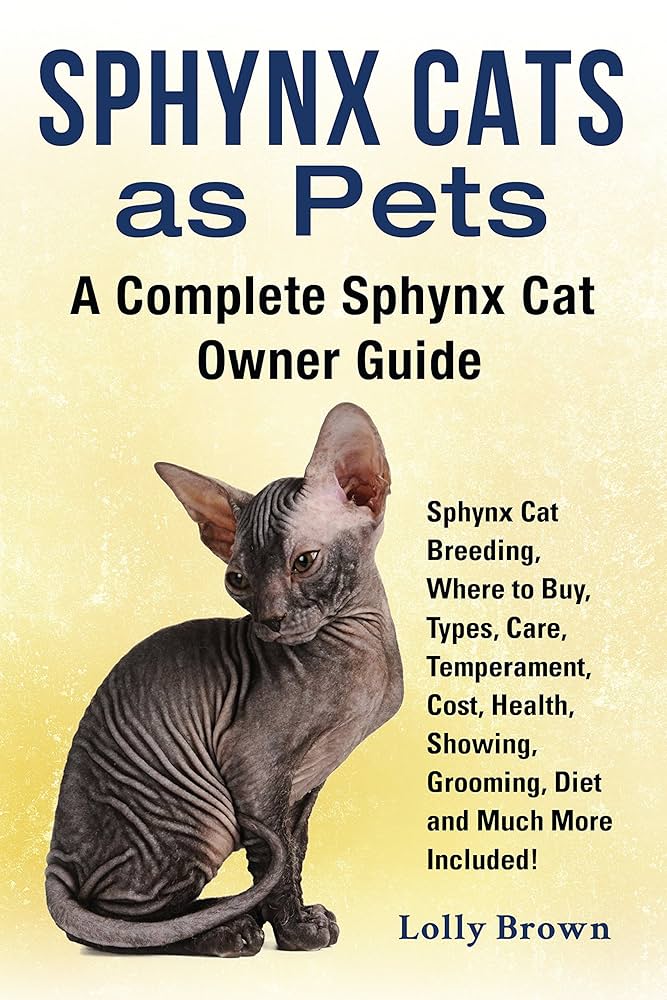
The allure of the Sphynx, or hairless cat, lies not only in its unique appearance but also in its remarkably affectionate and outgoing personality. These cats, often misunderstood due to their lack of fur, are intelligent, athletic, and form deep bonds with their families. This guide delves into the history, characteristics, and care requirements of Sphynx cats, providing essential information for prospective owners.
A Glimpse into the History of Hairless Cats
The existence of hairless cats dates back at least a century. While the Mexican Hairless cat, believed to be a pet of the Aztecs, might have been selectively bred for its lack of fur, this breed is now likely extinct. The modern Sphynx, however, has its roots in Canada. Discovered as a spontaneous mutation in domestic short-haired cats, the Sphynx breed was further developed from cats like Prune (born in 1966) and a later foundation of cats including Jezebelle (born in 1975).
Another notable hairless breed is the Donskoy, or Don Sphynx, which originated in Russia in 1987. Unlike the Sphynx, the Donskoy’s hairlessness is due to a dominant gene mutation.
Understanding the Sphynx Cat
Physical Characteristics
Sphynx cats are medium-sized, muscular felines, typically standing eight to ten inches tall and weighing between seven to fourteen pounds. They possess a modified wedge-shaped head with prominent cheekbones, large ears, and lemon-shaped eyes. Their most distinctive feature is their skin, which can range from sparsely furred to completely bald, feeling like velvety smooth peach fuzz. Wrinkles, especially around the muzzle and forehead, are a desirable trait, with kittens having more pronounced wrinkles than adults. Sphynx cats come in a vast array of colors and patterns, all expressed through their skin.
Personality Traits
Known for their extroverted nature, Sphynx cats are highly affectionate and often described as dog-like in their devotion to their owners. They are intelligent, athletic, and enjoy climbing and playing. Social by nature, they dislike being alone and are generally congenial with other pets and children.
The Genetics of Hairlessness
The hairless trait in Sphynx cats is a recessive genetic mutation. This means both parents must carry the gene for hairlessness for their kittens to be born without fur. Outcrossing with domestic short-haired cats or, in some registries, with Russian Blues or Devon Rex cats, is often done to maintain the breed’s genetic health.
Lifespan and Health Considerations
A Sphynx cat typically lives between nine and fourteen years. While often considered hypoallergenic, this is not entirely accurate. Sphynx cats do not produce fewer allergens; rather, the allergens tend to remain on their skin rather than dispersing widely. However, their close contact with owners can still trigger allergies.
Acquiring a Sphynx Kitten
When looking for a Sphynx kitten for sale, prioritize health and temperament. Kittens should be bright-eyed, active, and free from any signs of illness. Reputable breeders and rescue organizations are the best sources for acquiring these unique cats. Other hairless cat breeds and crossbreeds, such as the Bambino, Peterbald, and Elf, are also available.
Essential Care for Sphynx Cats
Skin Care
The Sphynx’s lack of fur requires diligent skin care. Regular bathing with a gentle, degreasing shampoo is necessary, typically weekly, to manage the natural oily residue. Over-bathing can irritate the skin and increase oil production. Owners often use wet washcloths for cleaning instead of full baths. Sphynx cats are also sensitive to cold and sunburn, necessitating indoor living and, when outdoors, protective clothing or pet-appropriate sunscreen. Regular ear cleaning and checking for infections are also crucial.
Feeding
Due to their higher energy expenditure for temperature regulation, Sphynx cats require more food than other breeds. A high-quality, meat-based diet or raw food diet is recommended to help manage skin oil production.
Exercise and Training
Sphynx cats thrive on mental stimulation and daily interaction. Socialization should begin early and continue throughout their lives. Providing scratching posts and climbing structures will cater to their athletic nature. Like dogs, they can be trained using positive reinforcement and can even learn to walk on a leash.
By understanding and meeting the specific needs of the Sphynx, owners can enjoy a deeply rewarding companionship with these distinctive and loving cats.
