
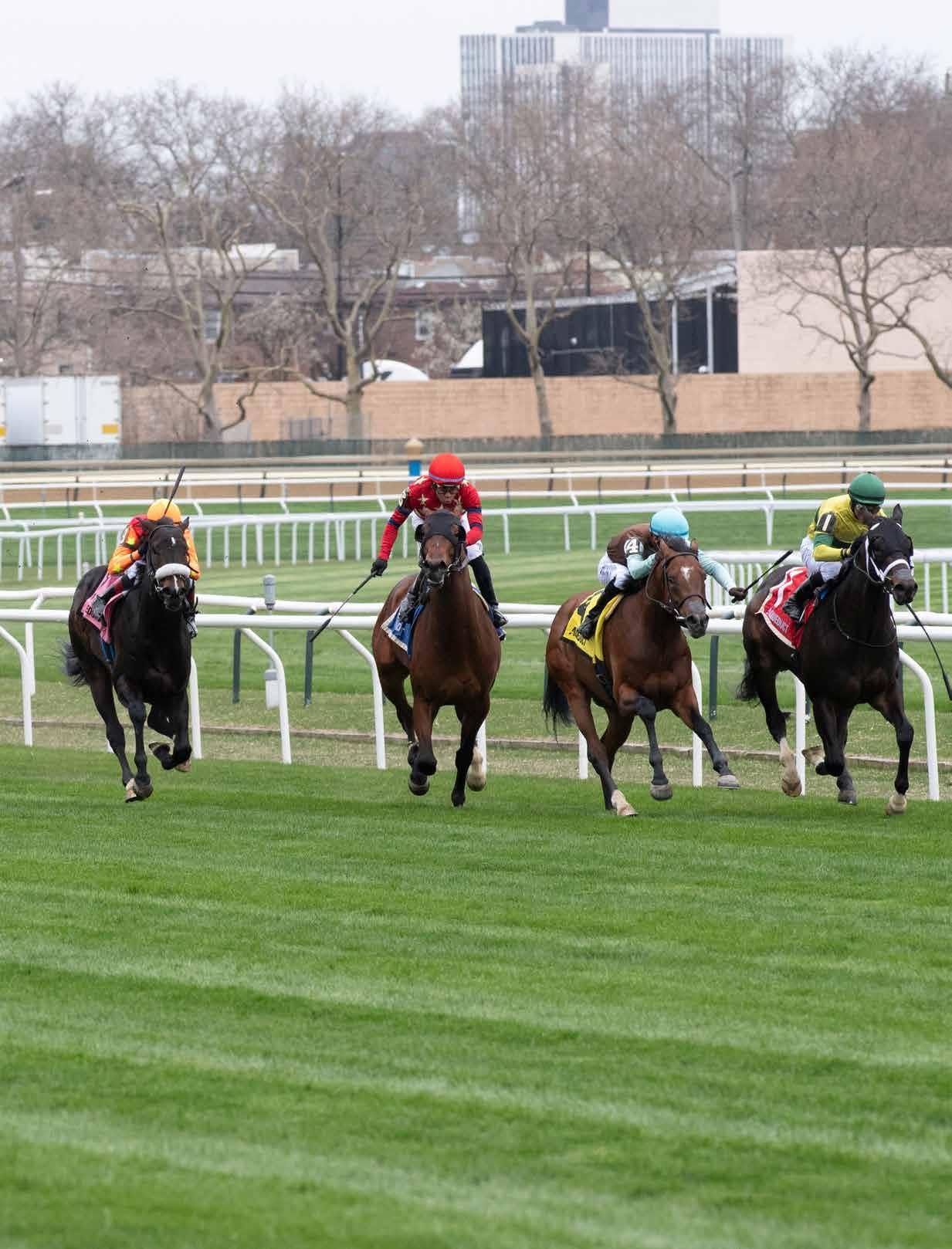
The roar of the crowd, the thunder of hooves, and the thrill of competition – horse racing in South Korea is a spectacle that has captivated audiences for decades. While perhaps not as globally prominent as its counterparts in the UK or the US, the South Korean horse racing scene is a vibrant and growing industry, deeply ingrained in the nation’s culture and economy. From the meticulously managed tracks to the passionate fan base, there’s a unique story unfolding in the world of Korean thoroughbreds.
The Genesis and Evolution of Korean Horse Racing
Horse racing in South Korea boasts a rich history, with roots tracing back to the early 20th century. Initially introduced as a form of entertainment and a way to promote animal husbandry, it gradually evolved into a more organized and professional sport. The establishment of the Korea Racing Authority (KRA) in 1947 marked a significant turning point, laying the groundwork for the industry’s future development. The KRA, a government-affiliated entity, plays a pivotal role in overseeing all aspects of horse racing, including breeding, training, racing, and betting, ensuring a regulated and structured environment.
Over the years, South Korea has witnessed a consistent rise in the popularity and scale of its horse racing. This growth can be attributed to several factors, including increasing disposable incomes, a burgeoning interest in equestrian sports, and strategic investments in infrastructure and breeding programs. The nation has also made concerted efforts to improve the quality of its racing stock, with a growing emphasis on international bloodlines and advanced training methodologies. This dedication to improvement has not only enhanced the domestic racing product but also positioned South Korea as a player in the global equestrian arena.
Korea’s Premier Racing Venues
South Korea is home to several world-class racing facilities, each offering a unique experience. The most prominent among these are:
Seoul Racecourse (LetsRun Park Seoul): Located in Gwacheon, Gyeonggi Province, this is the largest and most prestigious racecourse in the country. It features multiple tracks, including a main turf track, a sand track, and a training track, accommodating a variety of racing distances and conditions. Seoul Racecourse is renowned for its state-of-the-art facilities, including grandstands with panoramic views, extensive wagering services, and numerous dining and entertainment options. It hosts many of the nation’s most important stakes races.
Busan-Gyeongnam Racecourse (LetsRun Park Busan-Gyeongnam): Situated in Gyeongnam Province, this racecourse is the second-largest in South Korea. It also boasts a modern turf track and a sand track, designed to international standards. Busan-Gyeongnam is known for its picturesque setting and its role in nurturing talent from the southern region of the country. It plays a crucial role in the overall racing calendar, offering a complementary set of major races.
These venues are not just racetracks; they are sprawling complexes that serve as hubs for the equestrian community, featuring breeding farms, training centers, and research facilities. The KRA’s investment in these parks ensures that they meet high international standards for horse welfare, safety, and spectator experience.
The Thrill of the Race: Major Stakes and Events
South Korean horse racing calendar is punctuated by a series of prestigious stakes races that attract the nation’s best equine athletes and their connections. These events are the pinnacle of the racing season, showcasing the speed, stamina, and athleticism of Korean-bred and imported thoroughbreds.
Some of the most anticipated races include:
- The Korean Derby: Often considered the blue-riband event for three-year-old colts and fillies, this classic race is a true test of a young horse’s potential.
- The Grand Korea Cup: This international sprint race, typically held in the autumn, invites top sprinters from around the globe to compete against Korea’s fastest horses over a short, explosive distance.
- The President’s Cup: A long-standing and highly respected handicap race, the President’s Cup is a grueling test of stamina and class for older horses.
- The Korea Cup and Korea Sprint: These races represent the KRA’s ambitious drive to integrate Korean racing into the international circuit. Held annually, they attract prominent horses and jockeys from various racing jurisdictions, offering significant prize money and prestige.
These major events are more than just races; they are significant cultural happenings, drawing large crowds and generating considerable betting handle. They serve as a platform to highlight the quality of South Korean breeding and racing, fostering national pride and international recognition.
Breeding and Bloodlines: The Foundation of Success
The success of any horse racing industry hinges on the quality of its breeding stock. South Korea has made significant strides in developing its own robust breeding programs. While historically reliant on imported bloodlines, there is a growing emphasis on nurturing domestic stallions and broodmares capable of producing top-tier racehorses.
The KRA actively supports the breeding sector through various initiatives, including subsidies for breeders, veterinary services, and research into equine genetics. This focus on homegrown talent is crucial for the long-term sustainability and independence of Korean horse racing.
International bloodlines, particularly from the United States, Europe, and Japan, continue to play a vital role. Importing high-quality mares and stallions has been instrumental in elevating the genetic pool and introducing desirable traits like speed, stamina, and conformation. This blend of domestic development and strategic international acquisition is a key strategy for the continued advancement of South Korean thoroughbred breeding.
The Role of Wagering and Fan Engagement
Wagering is an integral part of the horse racing experience in South Korea, serving as a primary revenue source for the industry and contributing significantly to the national economy. The KRA operates a sophisticated and highly regulated pari-mutuel betting system, offering a variety of betting options to enthusiasts.
Fan engagement extends beyond just betting. The racecourses are vibrant social hubs, offering a complete entertainment experience. Families, friends, and solo enthusiasts gather to enjoy the races, the atmosphere, and the various amenities available. The KRA also actively promotes the sport through media outreach, social media campaigns, and events designed to attract new audiences, particularly younger demographics. This focus on broad appeal is essential for the continued growth and relevance of horse racing in a rapidly evolving entertainment landscape.
Challenges and Future Prospects
Despite its successes, South Korean horse racing faces its share of challenges. Competition from other forms of entertainment, changing demographics, and the need for continuous investment in infrastructure and horse welfare are ongoing considerations. Furthermore, navigating the complexities of international racing regulations and promoting Korean races on a global scale requires sustained effort.
However, the future of South Korean horse racing appears bright. The industry’s commitment to modernization, its focus on international integration, and the unwavering passion of its fans provide a strong foundation for continued growth. Strategic initiatives aimed at enhancing horse welfare, promoting ethical racing practices, and exploring new avenues for fan engagement will be crucial in shaping the next chapter of this dynamic sport in South Korea. The KRA’s dedication to continuous improvement suggests that the thunder of hooves at Seoul and Busan will continue to resonate for many years to come.
