
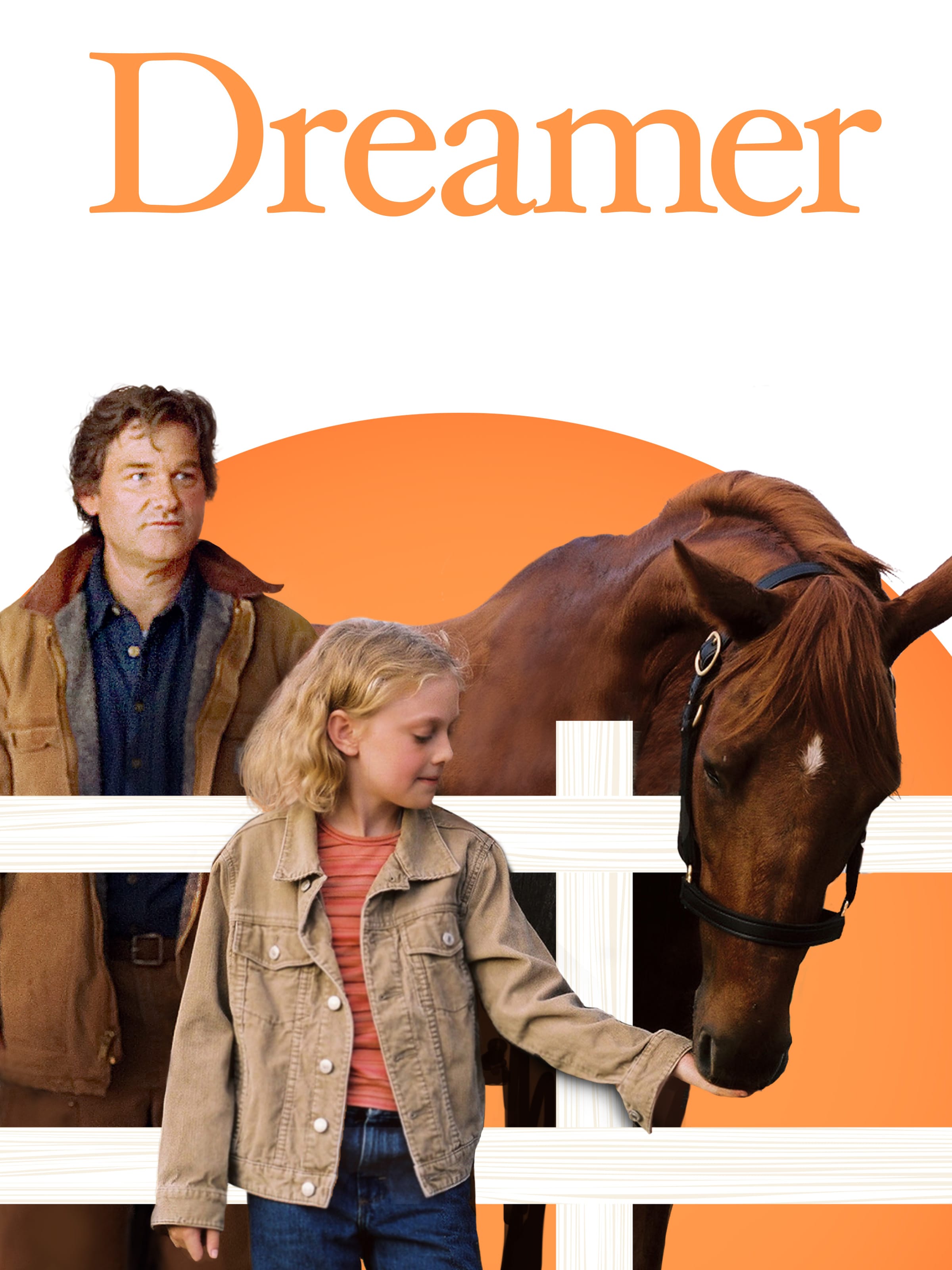
The world loves an underdog story, a tale of against-all-odds triumph that rekindles our belief in the impossible. In the realm of equestrian legends, few narratives capture this spirit as perfectly as the Sonador Horse Story. Immortalized in the beloved film “Dreamer,” the story of a broken-down racehorse who gets a second chance at greatness has inspired millions. It’s a powerful tale of hope, family, and the unbreakable bond between a girl and her horse. But what many don’t realize is that this heartwarming cinematic journey is rooted in the incredible true story of a real-life equine champion who refused to be defeated. This exploration delves deep into the narrative that captivated audiences, separating the Hollywood magic from the factual grit of the horse that inspired it all. Understanding the dreamer horse movie true story reveals a saga even more remarkable than fiction.
The Heart of the Film: A Tale of Second Chances
At its core, the Sonador horse story presented in the 2005 film “Dreamer: Inspired by a True Story” is about redemption—for both horse and human. The story revolves around Ben Crane (played by Kurt Russell), a seasoned horse trainer, and his precocious daughter, Cale (played by a young Dakota Fanning). Ben works for a callous syndicate owner who, after the promising filly Soñador suffers a career-ending leg fracture during a race, dismisses the horse as worthless.
In a moment of compassion and professional defiance, Ben takes the injured horse in lieu of his final paycheck, much to the dismay of his pragmatic wife, Lily (Elisabeth Shue). The journey that follows is one of healing. As Cale lovingly nurses Soñador back to health with unwavering faith, the horse’s recovery begins to mend the fractured relationships within the Crane family. Cale’s simple, powerful belief that Soñador can race again becomes the driving force that pushes her father to dream once more.
The film beautifully captures the grit and determination required to bring a thoroughbred back from the brink. It highlights the daily challenges, the mounting financial pressures, and the skepticism of the professional racing world. Yet, through it all, Cale’s bond with Soñador—whose name means “Dreamer” in Spanish—grows stronger, symbolizing the potent mix of love and hope. The story culminates in a high-stakes gamble: entering the recovered Soñador in the prestigious Breeders’ Cup Classic, a race against the finest horses in the world.
Was the Sonador Horse Story Based on a True Story?
This is the question that lingers in the minds of viewers long after the credits roll. The answer is a resounding yes. While the characters of Ben and Cale Crane and their specific family struggles were created for the screen, the incredible comeback of the horse is directly inspired by the real-life saga of a courageous filly named Mariah’s Storm.
The filmmakers took the core elements of her astonishing career—a devastating injury, a miraculous recovery, and a return to elite competition—and wove them into a more personal, family-centric narrative. The essence of the Sonador horse story is true: a horse destined for greatness suffered a catastrophic injury, was saved by people who refused to give up on her, and defied all veterinary expectations to race again at the highest level.
The Real Champion: The Inspiring Saga of Mariah’s Storm
To truly appreciate the Sonador horse story, one must learn about the incredible mare that started it all. Mariah’s Storm, foaled in 1990, was a well-bred filly with immense potential. She showed early promise, winning her first two races and quickly being recognized as a rising star. Her connections had high hopes for her, particularly for the prestigious Kentucky Oaks, a premier race for three-year-old fillies.
A Career-Threatening Injury
In 1993, while running in the Alcibiades Stakes at Keeneland, Mariah’s Storm was performing well when disaster struck. She fractured her front left cannon bone—an injury identical to the one Soñador suffers in the film. A cannon bone fracture is often a death sentence for a racehorse. The bone is critical for bearing weight, and the complexities of healing, combined with the risk of complications like laminitis in the opposing hoof, mean that many horses with such an injury are euthanized.
However, her owners, the Williams family, and her dedicated veterinary team refused to give up. They saw the same fight in her that Cale saw in Soñador. She underwent complex surgery, where screws were implanted to stabilize the bone. The long, arduous process of recovery began, requiring months of stall rest, careful rehabilitation, and immense patience. The odds were stacked against her ever walking comfortably again, let alone returning to the physically demanding world of professional horse racing.
A Comeback for the Ages
Against all expectations, Mariah’s Storm didn’t just recover; she thrived. Her body healed, and her competitive spirit remained unbroken. In 1994, she made her triumphant return to the racetrack, a feat that was already a victory in itself. But she wasn’t content just to participate. She began winning again, proving her talent was as strong as her will.
Her comeback season was remarkable, with victories in several important stakes races, including the Arlington Matron Handicap and the Falls City Handicap. Her story of resilience became legendary in the racing community, a testament to her heart and the dedication of those who cared for her. It’s a narrative that echoes in many true story horse movies, where the spirit of the animal inspires human endeavor. She proved that a second chance was not just possible, but could be glorious.
From Reality to Reel: How Mariah’s Storm Became Soñador
While “Dreamer” is “inspired by a true story,” director John Gatins took creative liberties to craft a more emotionally resonant film. The core truth of the injury and recovery remains, but many details were changed. Understanding these differences highlights the art of storytelling and why the real-life events were even more complex.
Here are some key distinctions:
- The Big Race: In the film, Soñador’s ultimate triumph is winning the Breeders’ Cup Classic against male horses, the richest event in North American racing. In reality, Mariah’s Storm ran in the 1995 Breeders’ Cup Distaff (a race for fillies and mares) and finished a respectable ninth. While she didn’t win that specific race, one of her foals, Giant’s Causeway, would later go on to be a Breeders’ Cup Classic runner-up, adding a fascinating layer to her legacy. Her most significant post-injury victory was arguably the Grade II Turfway Park Budweiser Breeders’ Cup Stakes.
- Ownership and Training: The poignant story of a small, struggling family betting everything on one horse is a Hollywood creation. Mariah’s Storm was owned and managed by professionals who, while deeply dedicated, operated within the established structures of the racing industry.
- The Timeline: The film condenses the timeline of injury, recovery, and return to racing for dramatic effect. Mariah’s Storm’s journey was a longer, more gradual process spanning multiple years of patience and expert care.
These changes don’t diminish the film’s power; they simply tailor the incredible facts of the sonador horse true story into a classic narrative structure that audiences can connect with on a deeply personal level.
The Enduring Legacy of the Sonador Horse Story
The story of Soñador, and by extension Mariah’s Storm, continues to resonate because it taps into universal themes of hope, perseverance, and the transformative power of belief. It reminds us that value isn’t always monetary and that true champions are defined not by their invincibility, but by their ability to get back up after they fall.
Dr. Eleanor Vance, a fictional expert in equine sports psychology, might put it this way: “The equine spirit is remarkably resilient. Horses like Mariah’s Storm possess what we call ‘heart’—an unquantifiable will to win and to overcome. When this spirit is met with human compassion and belief, as shown in the Crane family’s story, the results can be truly extraordinary. It transcends sport and becomes a lesson in life itself.”
The film “Dreamer” brought this specialized world of horse racing to a global audience, making the name Soñador synonymous with second chances. The narrative continues to inspire young equestrians and anyone facing their own insurmountable odds. It stands as a powerful example of why the dreamer horse story is more than just a movie—it’s a timeless fable about not giving up on a dream, no matter how broken it may seem.
Frequently Asked Questions (FAQ)
What was the real horse’s name in the Sonador horse story?
The real horse that inspired the movie “Dreamer” and the character of Soñador was a filly named Mariah’s Storm. She was a successful racehorse who made a miraculous comeback from a career-threatening leg fracture.
Did Soñador win the Breeders’ Cup in real life?
No. In the movie, Soñador wins the prestigious Breeders’ Cup Classic. The real horse, Mariah’s Storm, competed in the 1995 Breeders’ Cup Distaff, where she finished ninth. Her return to that level of competition was considered a massive victory in itself.
Who starred in the movie inspired by the Sonador horse story?
The film “Dreamer: Inspired by a True Story” (2005) starred Kurt Russell as trainer Ben Crane, Dakota Fanning as his daughter Cale Crane, and Elisabeth Shue as his wife, Lily Crane.
What does the name “Soñador” mean?
“Soñador” is a Spanish word that translates to “Dreamer” in English. The name was chosen for the film to perfectly encapsulate the central theme of hope and believing in the impossible.
What happened to Mariah’s Storm after her racing career?
After her incredible racing career, Mariah’s Storm became a highly successful broodmare. She produced several notable racehorses, including the European Horse of the Year, Giant’s Causeway. Her legacy continued not only through her on-track courage but also through her champion offspring. She passed away in 2016 at the age of 26.
A Story for the Ages
The Sonador horse story is a powerful reminder that the greatest triumphs often emerge from the deepest adversity. From the real-life grit of Mariah’s Storm, who refused to let a devastating injury define her, to the fictionalized tale of the Crane family, who healed their own bonds while nursing a horse back to health, the narrative is a masterclass in resilience. It shows that with enough love, unwavering belief, and a little bit of luck, a broken-down horse can not only run again but can inspire everyone around them to dream a little bigger. This story, in all its forms, will forever remain a cherished classic in the annals of great equestrian tales.
