
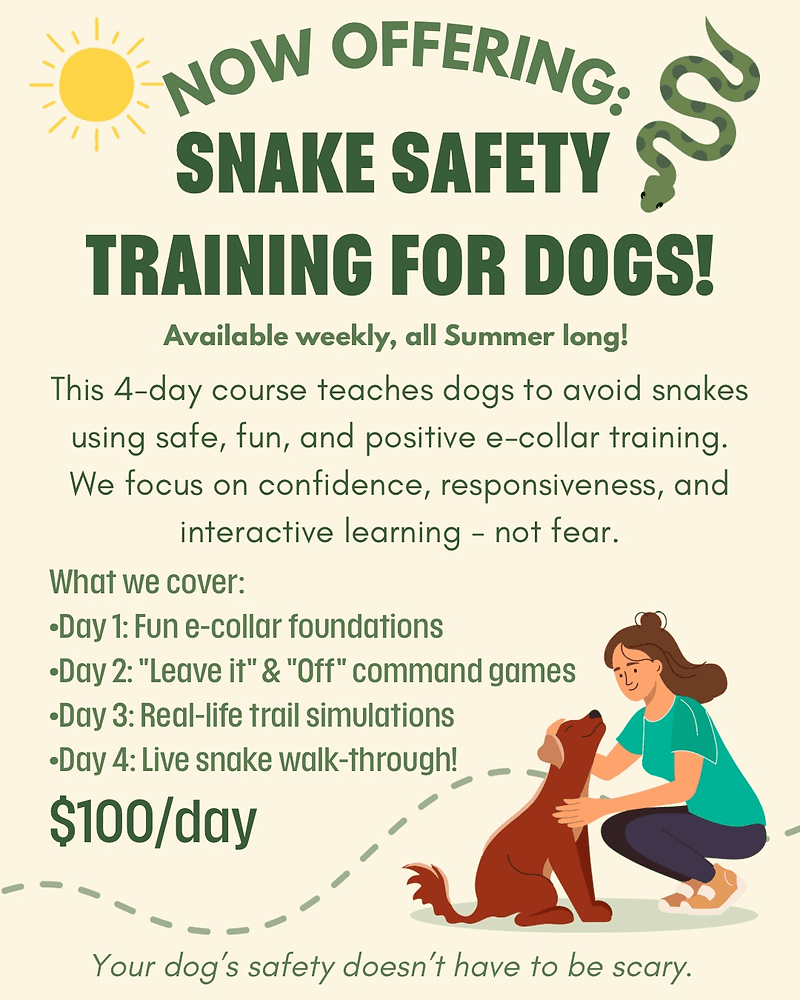
Dealing with snakes in your backyard or during hikes can be a serious concern for dog owners. Ensuring your canine companion knows how to react safely around snakes is crucial for their well-being. Snake avoidance training is a specialized technique designed to teach your dog to recognize and steer clear of venomous snakes, thereby significantly reducing the risk of a dangerous encounter. This proactive approach is far more effective than reactive measures after an incident has occurred.
Understanding the Need for Snake Avoidance Training
Dogs are naturally curious creatures, and their inquisitive nature can sometimes lead them into hazardous situations. In many regions, venomous snakes are a common threat, and a dog’s instinctive chase or defensive behaviors can provoke an attack. While some dogs might be naturally wary, many require specific training to develop a healthy respect for snakes. This training is not about making your dog afraid, but rather about teaching them a clear, safe response: identify the snake and move away.
The primary goal of snake avoidance training is to create a strong, conditioned aversion. This means that when your dog encounters the scent, sight, or sound associated with a snake, they learn to immediately disengage and retreat. This skill is particularly vital for dogs that spend a lot of time outdoors, whether in rural areas, on hiking trails, or even in suburban backyards where snakes might seek shelter.
How Snake Avoidance Training Works
Snake avoidance training typically involves a combination of methods, often utilizing controlled stimuli to teach the dog. Professional trainers use various techniques, but the core principle remains the same: associating the presence of a snake with an unpleasant, but not harmful, consequence. This encourages the dog to actively avoid the snake in the future.
One common method involves using a live snake that has been muzzled or a shed snakeskin. When the dog shows interest, they are exposed to a startling but safe stimulus, such as a loud noise or a mild, non-injurious correction from a remote collar. The key is that the stimulus is delivered by the handler and is directly linked to the snake’s presence, not delivered by the snake itself. This teaches the dog that the snake is the problem, and the avoidance behavior is the solution.
Another approach might use specialized equipment that releases a scent or sound associated with snakes, paired with a similar aversion stimulus. The training is conducted in a controlled environment, gradually increasing the intensity and realism of the scenario as the dog progresses. The aim is to build a robust avoidance response that the dog can generalize to real-world encounters.
Different Training Approaches and Techniques
There are several philosophies and methods employed in snake avoidance training. Some trainers focus on positive reinforcement, using high-value rewards for desired avoidance behaviors. Others rely more heavily on aversive conditioning, where the dog learns to avoid snakes to escape an unpleasant sensation.
It’s important to understand the differences and choose a trainer whose methods align with your training philosophy and your dog’s temperament. Some of the widely recognized approaches include:
- Live Snake Training: This involves using a muzzled or carefully managed live snake. While effective, it requires highly skilled and experienced trainers for the safety of both the dog and the snake.
- Shed Skin and Scent Training: This method uses shed snakeskins or specific snake scents. It’s generally considered safer and more accessible, allowing for more frequent practice sessions.
- Electronic Collar Training: This technique uses a remote-controlled electronic collar to deliver a mild correction when the dog approaches a snake stimulus. Responsible trainers use this sparingly and ensure the correction is simply a deterrent, not harmful.
Many trainers emphasize that the training should be a one-time or very infrequent event. The goal is to create a lasting aversion, not to repeatedly expose the dog to stressful situations. A well-trained dog will learn to identify the threat and move away, rather than becoming overly anxious or aggressive.
Choosing a Professional Trainer for Snake Avoidance
When selecting a trainer for snake avoidance, it’s crucial to do your homework. Not all trainers are created equal, and the safety and effectiveness of the training depend heavily on the professional’s expertise.
What to Look For in a Snake Avoidance Trainer
- Experience: Look for trainers with extensive experience specifically in snake avoidance for dogs. Ask about their success rates and how many dogs they have trained.
- Methodology: Understand their training methods. Do they use live snakes, shed skins, or scent-based training? Are their methods humane and safe? Avoid trainers who promote harsh or overly punitive methods.
- Safety Protocols: Inquire about their safety protocols for both dogs and snakes. A reputable trainer will have strict procedures in place to prevent any harm.
- Certifications and Affiliations: While not always required, certifications from recognized dog training organizations can be a good indicator of a trainer’s commitment to professionalism and ethical practices.
- Testimonials and Reviews: Read reviews from previous clients and ask for references. Positive feedback and word-of-mouth referrals are valuable indicators of a trainer’s quality.
- Consultation: Schedule a consultation to discuss your dog’s specific needs and the trainer’s approach. This is also an opportunity to observe their interaction with dogs.
Finding a qualified professional is paramount. You can often find trainers through local veterinarian recommendations, breed clubs, or online directories specializing in dog training services. Many trainers offering snake training also provide services like rattlesnake training for dogs near me, indicating a specialization in dealing with venomous reptiles.
Preparing Your Dog for Training
Before enrolling your dog in a snake avoidance program, there are a few things you can do to prepare them.
Pre-Training Considerations
- Basic Obedience: Ensure your dog has a solid foundation in basic obedience commands like “sit,” “stay,” and “come.” These commands can be helpful for managing your dog during and after the training session.
- Temperament: Be honest with the trainer about your dog’s temperament. A highly anxious or fearful dog might require a more gentle approach or may not be a suitable candidate for certain training methods.
- Health: Make sure your dog is in good health and up-to-date on vaccinations. Some training methods might be more suitable for dogs of a certain age or physical condition.
- Gear: Discuss with the trainer what gear, if any, you’ll need to provide. This might include a specific type of collar or leash.
A well-prepared dog is more likely to benefit from and succeed in snake avoidance training. The trainer will assess your dog’s suitability and guide you through the preparation process.
Life After Training: Maintaining Learned Behaviors
Once your dog has completed snake avoidance training, the learning doesn’t stop. While the training is designed to create a lasting aversion, ongoing reinforcement and awareness are important.
Reinforcing Avoidance Behaviors
- Be Vigilant: Always remain aware of your surroundings, especially in areas where snakes are common. Keep your dog on a leash in high-risk environments.
- Supervise: Even after training, supervise your dog closely when outdoors, particularly in tall grass or bushy areas.
- Positive Reinforcement: When you’re in an area where snakes might be present and your dog shows caution or avoids an area, offer praise and positive reinforcement. This reinforces their safe behavior.
- Consult Your Trainer: If you have concerns or notice your dog’s avoidance behavior seeming to fade, consult with your trainer. They can advise on refresher courses or additional strategies.
Remember, snake avoidance training is a tool to enhance your dog’s safety, not a guarantee against all snake encounters. Combined with responsible pet ownership and vigilance, it provides a significant layer of protection.
FAQs About Snake Avoidance Training for Dogs
Q1: How old does my dog need to be to undergo snake avoidance training?
A1: Most trainers recommend starting snake avoidance training when a dog is around six months old. This ensures they have the maturity to learn and retain the information, but it’s always best to consult with a specific trainer as some may accommodate younger or older dogs.
Q2: Is snake avoidance training dangerous for my dog?
A2: Reputable trainers use safe methods that do not harm the dog. The goal is to create an aversion using stimuli that are startling but not injurious. A skilled trainer will prioritize your dog’s safety throughout the process.
Q3: Will my dog be afraid of all snakes after training, even non-venomous ones?
A3: The training is designed to create an aversion to the presence of a snake, often through scent or sound. While dogs may become generally more cautious, the goal is not to induce phobia. Experienced trainers work to ensure the aversion is specific to potentially dangerous encounters.
Q4: How long does snake avoidance training last?
A4: The initial training session is typically a one-time event or a series of sessions over a short period. The aversion learned is intended to be long-lasting, though periodic reinforcement and awareness from the owner are crucial.
Q5: Can I train my dog for snake avoidance myself?
A5: While some basic desensitization might be possible, professional snake avoidance training requires specialized knowledge, controlled environments, and potentially live snakes or specific equipment. It is strongly recommended to use a qualified professional trainer to ensure safety and effectiveness.
Q6: What if I live in an area with no venomous snakes?
A6: Even if venomous snakes are rare in your immediate vicinity, your dog may encounter them while traveling or hiking in different areas. Snake avoidance training provides a valuable safety net for dogs that explore diverse environments.
Q7: What is the difference between snake avoidance training and rattlesnake training for dogs?
A7: Snake avoidance training is a general term that encompasses training for any type of snake. Rattlesnake training for dogs specifically focuses on the unique characteristics and dangers posed by rattlesnakes, which are a common concern in certain regions. Many trainers offering snake training also specialize in dog rattlesnake avoidance training.
Conclusion: Protecting Your Canine Companion
The peace of mind that comes from knowing your dog is equipped to handle a snake encounter is invaluable. Snake avoidance training provides a critical layer of defense against the dangers posed by venomous snakes. By understanding the process, choosing a qualified professional for snake training for dogs, and maintaining vigilance, you can significantly enhance your dog’s safety and ensure many more happy years of exploration together. Remember that finding a good snake training for dogs near you is a worthwhile investment in your pet’s long-term well-being.
