
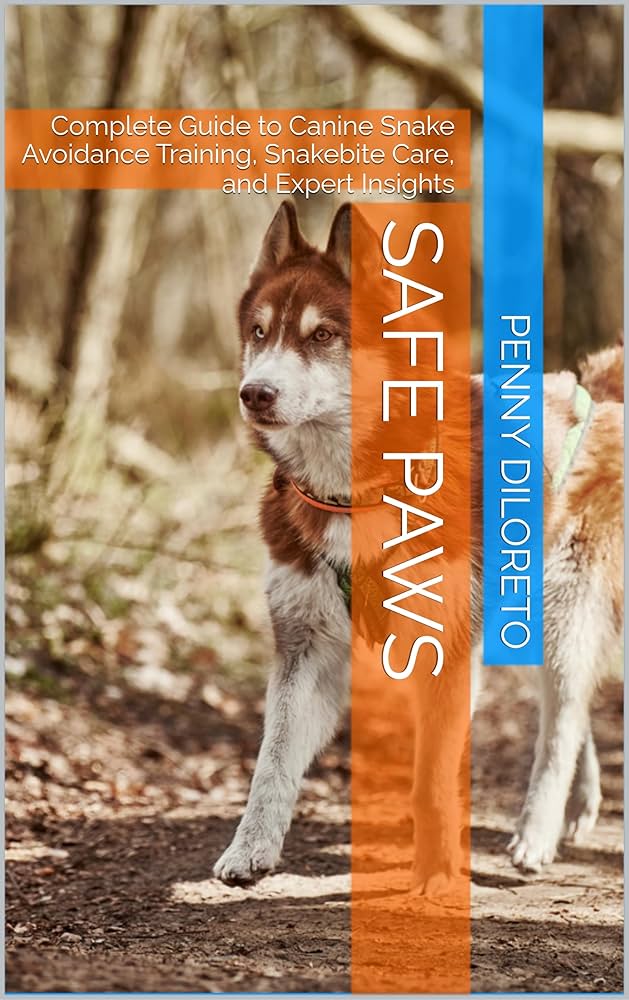
As a dedicated dog lover and content creator for Dog Care Story, I understand the deep bond we share with our canine companions and the importance of ensuring their safety. One of the most serious threats our dogs can face, especially in certain regions, are venomous snakes. Protecting your dog from snakebites is a top priority, and that’s where specialized training comes in. This comprehensive guide will walk you through everything you need to know about Snake Avoidance Training For Dogs, equipping you with the knowledge to keep your furry friend safe.
Understanding the Risk: Why Snake Avoidance Training is Crucial
Dogs, with their natural curiosity and tendency to explore with their noses and mouths, can easily stumble upon snakes. Their inquisitive nature, unfortunately, can lead them into dangerous situations. While not all snakes are venomous, a bite from a venomous one can be life-threatening, requiring immediate and often costly veterinary intervention. Snake avoidance training aims to teach your dog to recognize the scent, sight, and sound of snakes and, more importantly, to create distance from them. This proactive approach can prevent a terrifying encounter from turning into a tragedy.
The Science Behind Snake Avoidance Training
Snake avoidance training utilizes principles of classical and operant conditioning. The goal is to create a strong negative association with the presence of a snake, so the dog learns to avoid them instinctively. This is typically achieved through a controlled process involving:
Scent Introduction: Dogs have an incredible sense of smell. Training often begins by introducing your dog to the scent of a snake, usually through shed skin or a live, secured snake.
Controlled Exposure: Dogs are then exposed to visual and auditory cues of snakes in a controlled environment. This might involve seeing a snake (often a non-venomous one for initial training or a decoy) or hearing rattling sounds.
Negative Reinforcement: When the dog shows interest or approaches the snake stimulus, a mild, aversive stimulus is introduced. This is not about causing pain or fear, but rather about creating an unpleasant sensation that the dog will associate with the snake. Common methods include:
- E-collar (Remote Collar): This is the most common tool. The dog is fitted with a special collar that delivers a static stimulation. When the dog gets too close to the snake stimulus, the trainer remotely activates the collar, causing a brief, startling sensation. The dog quickly learns to avoid the stimulus to prevent the sensation. It’s crucial that this is done by a trained professional who understands how to use the e-collar humanely and effectively.
- Quail Flush: In some methods, a quail is flushed out when the dog gets too close to the snake stimulus. The sudden movement and sound can startle the dog, creating an aversive experience.
- Air Horn or Spray Bottle: Less commonly, a loud noise or a quick spray of water might be used, though these are generally less effective for long-term avoidance.
Positive Reinforcement (for avoidance): While the aversive stimulus is used to deter approach, trainers also reward the dog for demonstrating avoidance behavior – moving away from the snake stimulus or showing alert behavior without approaching. This reinforces the desired action.
Types of Snake Avoidance Training
There are a few approaches to snake avoidance training, each with its own nuances:
Professional Guided Training
This is generally the most recommended method. Professional trainers have the expertise, experience, and specialized equipment (including safely handled snakes or realistic decoys) to conduct the training effectively and safely. They understand canine behavior and can tailor the training to your dog’s individual temperament and breed. Many trainers also offer specialized dog rattlesnake avoidance training programs.
DIY or Home-Based Training (Use with Extreme Caution)
While tempting, attempting snake avoidance training yourself without professional guidance is strongly discouraged. It carries significant risks:
- Risk to Dog: Improper use of e-collars or other aversive tools can cause undue stress, fear, or pain, potentially damaging your dog’s confidence and your relationship.
- Risk to You: Handling live snakes, even non-venomous ones, without proper knowledge can be dangerous.
- Ineffectiveness: Without a clear understanding of conditioning principles and how to create reliable aversions, the training may not be effective, leaving your dog unprotected.
If you’re considering this route, at the very least, seek extensive consultation and instruction from a reputable professional. They can guide you on specific techniques and safety protocols.
What to Expect During Professional Training
A typical snake avoidance training program might look like this:
- Initial Consultation: The trainer will assess your dog’s temperament, breed, and any prior training. They’ll discuss your specific concerns and the environment your dog is exposed to.
- Controlled Environment Training: Sessions usually take place in a safe, enclosed area. The trainer will use various snake models (decoys, shed skins, or safely contained live snakes if ethically sourced and handled) and potentially sound cues.
- Introducing the Aversion: Your dog will be allowed to explore. When they show interest in the snake stimulus, the trainer will administer a carefully timed, mild aversive stimulus. The key is timing and consistency. The dog learns, “When I smell/see/hear that snake thing, I get this uncomfortable zap, so I should stay away.”
- Reinforcing Avoidance: The trainer will reward your dog for backing away or ignoring the stimulus.
- Graduated Difficulty: The intensity and complexity of the scenarios will gradually increase as your dog becomes more proficient.
- Booster Sessions: Like any training, snake avoidance may require periodic refresher sessions to maintain the learned behavior.
Key Considerations for Effective Training
- Professional Expertise is Paramount: Always choose a trainer with proven experience and a humane approach to e-collar use. Ask for references and observe a training session if possible. Look for trainers who offer snake training for dogs and have a strong understanding of canine behavior.
- Dog’s Temperament: Some dogs are naturally more cautious, while others are bolder. A good trainer will adapt their methods to suit your dog’s personality.
- Breed Predispositions: Certain breeds, like terriers, may have a stronger prey drive, making them more prone to investigating snakes. Training needs to be tailored accordingly.
- Environmental Factors: If you live in an area with a high snake population, consistent training and an awareness of snake habitats are vital. Consider local resources for snake avoidance training for dogs near me.
- Realistic Expectations: While highly effective, no training is 100% foolproof. Dogs can still have moments of distraction. The goal is to significantly reduce the likelihood of a negative encounter.
- Ongoing Vigilance: Even after training, always be aware of your surroundings when hiking or playing outdoors. Teach your dog basic obedience commands like “leave it” and “come,” which can be lifesavers in many situations.
Is Snake Avoidance Training Right for Your Dog?
Snake avoidance training is highly beneficial for dogs that spend time outdoors, especially in regions where venomous snakes are prevalent. This includes:
- Dogs living in rural or semi-rural areas.
- Dogs that frequently hike or camp with their owners.
- Dogs that live in warmer climates where snakes are active year-round.
- Dogs with a high prey drive or strong curiosity.
Common Questions About Snake Avoidance Training
Q: At what age can I start snake avoidance training?
A: Most trainers recommend starting around 6 months of age, once the puppy has a solid foundation in basic obedience. However, some programs can be adapted for younger dogs under careful supervision.
Q: Will this training make my dog afraid of everything?
A: When done correctly by a skilled professional, the aversion is specific to snakes or snake-like stimuli. The goal is not to create generalized fear, but a specific avoidance behavior. A reputable trainer will ensure the dog remains confident and happy in other aspects of its life.
Q: How long does the training last?
A: Initial training usually involves a few sessions, often spread over a week or two. However, as mentioned, refresher courses might be needed annually or biannually, depending on the dog and environment. Searching for rattlesnake training for dogs near me can help you find local options.
Q: What if my dog is bitten by a snake?
A: If you suspect your dog has been bitten, remain calm. Do not attempt to capture or kill the snake. Keep your dog as still as possible to slow the spread of venom and seek immediate veterinary attention. Call your vet or emergency animal hospital while en route. If possible, take a photo of the snake from a safe distance for identification, but do not risk further exposure.
Conclusion: Prioritizing Your Dog’s Safety
Our dogs are family, and their safety is paramount. Snake avoidance training is a powerful tool that can provide an essential layer of protection against a very real danger. By investing in professional, humane training, you’re not just teaching your dog a command; you’re equipping them with a life-saving skill. Remember to always be observant, respect wildlife, and prioritize your dog’s well-being. This training, combined with your vigilance, can help ensure many more happy and safe years with your beloved canine companion. For more insights into keeping your dog safe and healthy, explore other resources on Dog Care Story.
