
In the heart of Rocky River Reservation, just outside Cleveland, lies a poignant tribute to a tiny hero: a statue of a Yorkshire Terrier wearing a World War II-era GI helmet. This monument marks the final resting place of Smoky, a remarkable combat veteran and one of the earliest examples of an emotional support dog. Her story is a testament to the profound impact animals can have, offering comfort and courage in the face of adversity.
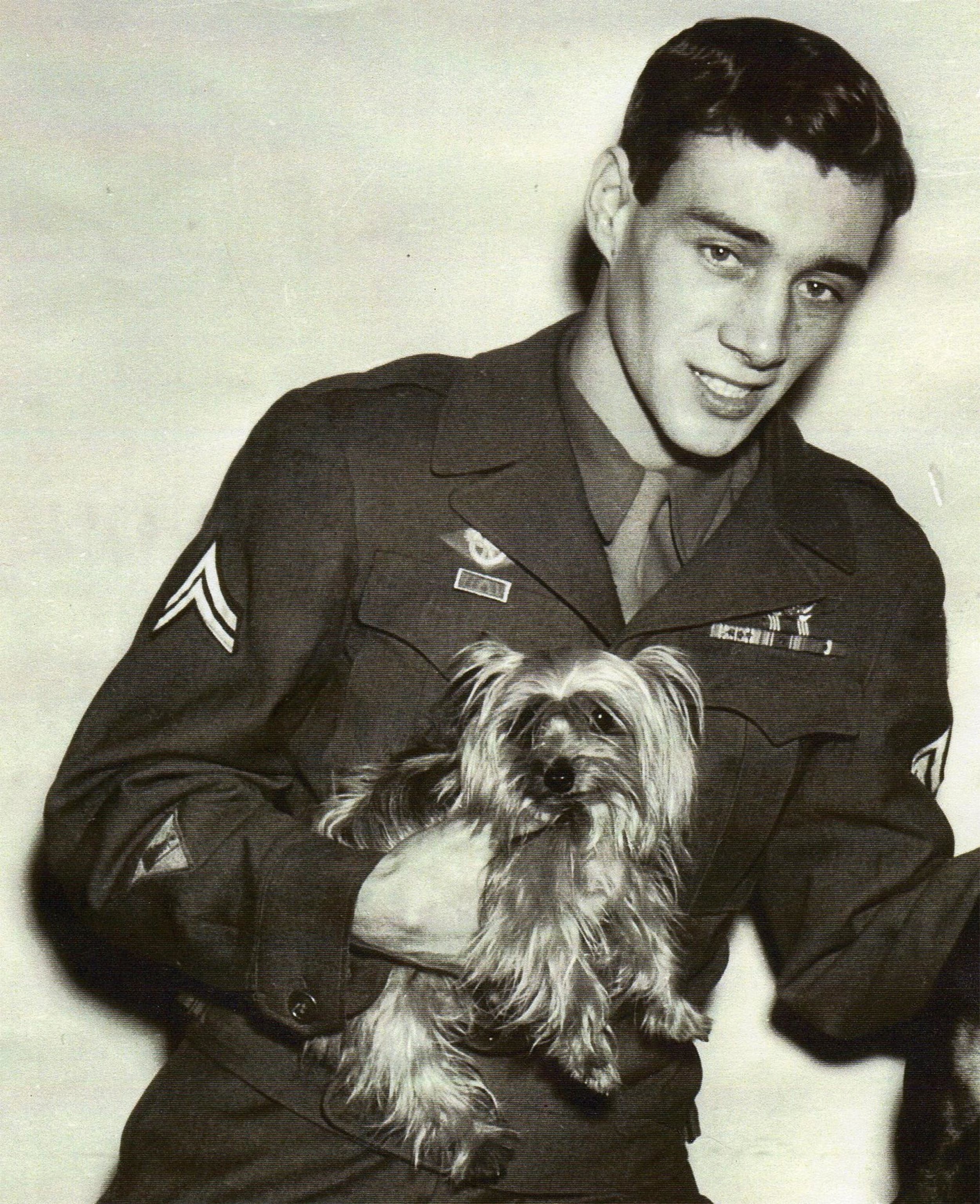
Smoky was discovered in the New Guinea jungles in March 1944, amidst fierce fighting between Allied forces and the Japanese. Found in a foxhole by an American GI named Ed Downey, the pup was soon sold to Cpl. William A. Wynne for a mere two Australian pounds. Wynne, who had experience training dogs from his pre-war life in Cleveland, recognized the potential in the adventurous, tough, and smart Yorkshire Terrier. Weighing just four pounds and standing seven inches tall, Smoky would go on to survive an astonishing 18 months of World War II combat.
As a mascot and personal pet to the 5th Air Force’s 26th Photo Reconnaissance Squadron, Smoky’s discipline and adaptability were crucial to her survival. She learned over 200 hand signals and commands, ate C-rations, and slept in Wynne’s tent, accompanying him on over 150 Japanese air raids and 12 rescue and photo reconnaissance missions. Her resilience extended to naval travel, where she survived kamikaze attacks, a typhoon, and even managed to warn Wynne of an incoming attack that saved his life.
Smoky’s most significant contribution to the war effort occurred during the invasion of the Philippines in January 1945. Her unit was tasked with running a communications cable through a 70-foot long, eight-inch diameter pipe to construct an airbase under constant enemy bombardment. This critical task would have taken three days and required extensive digging, leaving the runway unusable and exposing work crews to enemy attacks. In a feat of ingenuity, Smoky was sent through the pipe with the wire attached to her collar, completing the job in mere minutes. This remarkable act not only saved valuable time but also prevented potential casualties.
Beyond her combat contributions, Smoky provided much-needed morale for the troops and the wounded in hospitals throughout the Pacific Theater. Wynne entered a photo of Smoky in his GI helmet into a contest in Yank Magazine, the Army’s weekly publication, and she was crowned “Champion Mascot in the Southwest Pacific Area.”
When the war concluded, soldiers were ordered to leave their animals behind, but Wynne refused to abandon Smoky. He smuggled her back to the United States in his oxygen mask bag. Upon their return to Cleveland, they continued Smoky’s wartime hospital work, visiting veterans hospitals stateside until 1954, where she became known as the world’s first emotional support dog.
Smoky passed away in February 1957 at the age of 14. Wynne buried her in a World War II ammunition box in Rocky River Reservation. For fifty years, her grave remained unmarked until Vietnam veteran Jim Strand, aware of her burial site, initiated fundraising for a monument. Unveiled in 2005, the memorial, recreated from the famous photo of Smoky in Wynne’s helmet, is dedicated to “Dogs of All Wars.” In 1996, William Wynne, who became a photojournalist after the war, published a memoir about Smoky titled “Yorkie Doodle Dandy: A Memoir.” In 2022, Smoky was posthumously awarded the Animals in War & Peace Distinguished Service Medal, recognizing her invaluable service as a mascot, companion, and therapy dog.
The story of Smoky, the Yorkshire Terrier who served with distinction in World War II, serves as a powerful reminder of the bravery and loyalty of animals in service. Her legacy as a combat veteran and a pioneer in canine therapy continues to inspire, highlighting the profound bond between humans and animals, especially during times of conflict and healing. The monument in Rocky River Reservation stands as a lasting tribute to her extraordinary life and the countless other animals who have supported their comrades in arms.
