
Finding the perfect Small Dog Training Treats can feel like searching for a needle in a haystack. You walk into the pet store and are immediately faced with a wall of options—different shapes, sizes, flavors, and promises. For owners of pint-sized pups, the challenge is even greater. A treat that’s perfect for a Golden Retriever could be a full meal for a Chihuahua, completely derailing your training efforts and your dog’s diet. But here’s the good news: choosing the right treat isn’t just possible; it’s the key to unlocking faster, more effective training sessions and building an even stronger bond with your tiny companion.
The truth is, training a small dog comes with its own unique set of rules. Their tiny mouths, sensitive stomachs, and specific caloric needs mean you can’t just grab any bag off the shelf. The right treat needs to be small enough to be eaten quickly without distraction, delicious enough to be motivating, and healthy enough to be given frequently during a training session. This is where understanding the nuances of small dog treats for training becomes a game-changer. It’s about more than just a reward; it’s about providing the perfect piece of positive reinforcement that tells your dog, “Yes, that’s exactly what I want!” in a way they’ll understand and crave.
What Makes a Training Treat Great for Small Dogs?
When you’re navigating the world of canine rewards, it’s easy to get overwhelmed. But for small breeds, from terriers to toy poodles, a few key principles will guide you to the perfect choice. It’s not about fancy packaging or gourmet flavors; it’s about function, size, and health.
The Three Pillars of a Perfect Treat
Size Matters Most: For a small dog, a “bite-sized” treat can still be a mouthful. The ideal training treat should be pea-sized or even smaller. The goal is a reward that can be consumed in a split second. If your dog has to stop and chew for 30 seconds, the momentum of your training session is lost. They forget the action they were just rewarded for. Look for treats specifically labeled for small breeds or puppies, or don’t be afraid to break larger, softer treats into tiny morsels.
Low in Calories, High in Value: Training requires a lot of repetition, which means a lot of treats. If each treat is packed with calories, you risk overfeeding your dog and contributing to weight gain, a serious health concern for small frames. Dr. Sarah Miller, a veterinary nutritionist, explains, “A training treat should be a tiny burst of flavor, not a significant source of daily calories. A good rule of thumb is that treats should not make up more than 10% of your dog’s total daily caloric intake.” This means you need treats that are low in calories but high in “value”—meaning your dog finds them incredibly delicious and motivating.
Wholesome Ingredients are Non-Negotiable: The ingredient list is your best friend. Look for treats with whole foods listed first, such as real meat (chicken, beef, salmon) or vegetables. Avoid treats loaded with artificial colors, flavors, preservatives, and fillers like corn, wheat, and soy, which can sometimes cause digestive upset in sensitive pups. Simple, limited-ingredient treats are often the best and safest choice for your little companion.
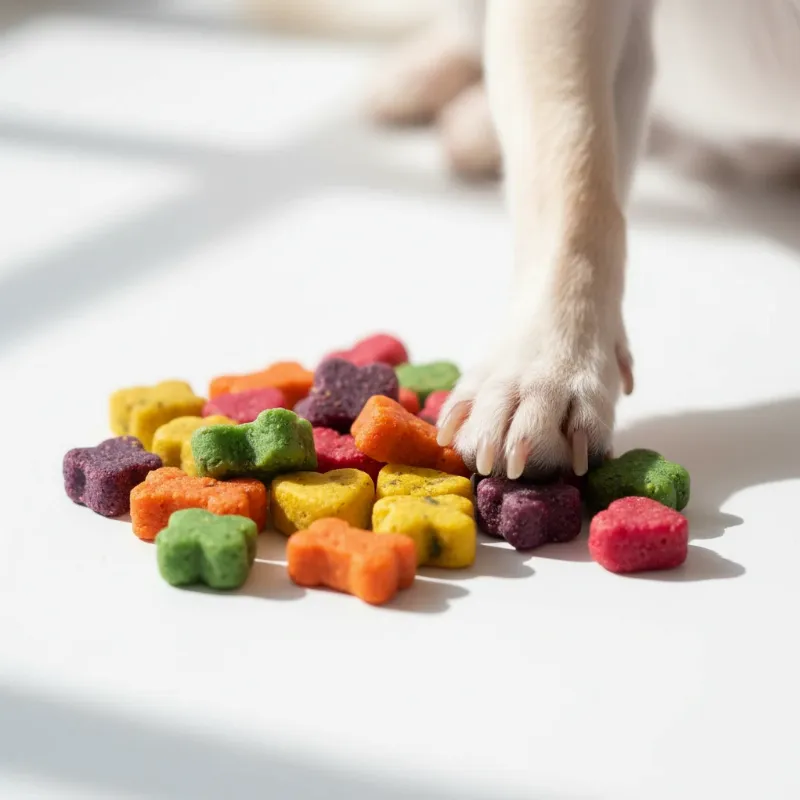 A close-up shot of various pea-sized small dog training treats next to a tiny Chihuahua's paw for scale, highlighting their small size.
Using Training Treats for Maximum Impact
Once you’ve found the perfect small dog training treats, the next step is knowing how to use them effectively. Handing out treats without a clear strategy won’t get you very far. Effective training is about clear communication, and the treat is your primary tool for saying “good job!”
The Art of the Reward
The core of modern dog training is positive reinforcement. This scientific-sounding term has a simple meaning: you reward the behavior you want to see, which makes your dog more likely to repeat it. When your puppy finally sits on command, the immediate delivery of a tasty treat marks the moment and solidifies the connection in their brain: “When I put my bottom on the floor, I get this yummy thing!” This is a far more effective and humane approach than older, punishment-based methods, and it’s a foundation built on trust and a positive relationship. Understanding this is central to any successful training plan, from basic commands to more advanced techniques like those used in alpha k9 dog training.
Timing is Everything
A reward that comes five seconds too late is useless. Dogs live in the moment, so the treat must be delivered immediately as the desired behavior occurs. For example, if you’re teaching “lie down,” the treat should be in your dog’s mouth the instant their belly hits the floor. This requires you to be prepared, with treats easily accessible in a pouch or your pocket. This precise timing is what builds a clear understanding for your dog.
How Many Treats Are Too Many?
This is a common concern for small dog owners. Because the treats are so small, it’s easy to lose track of how many you’ve given. Here’s a simple guide:
- Keep Sessions Short: A small dog’s attention span is short. Aim for multiple 5-10 minute training sessions throughout the day rather than one long, grueling hour. This keeps them engaged and prevents them from getting too full.
- Use Their Kibble: For easy commands your dog already knows, consider using pieces of their regular kibble as a reward. This keeps calorie counts in check. Save the “high-value” smelly, tasty treats for learning new or difficult behaviors.
- Break It Up: Even if a treat is already small, consider breaking it in half. Your dog will still appreciate the reward, and you’ll cut the calories in half instantly.
Remember, the goal is to build a well-behaved companion. Whether you are working on simple commands or tackling a bigger challenge like figuring out how to house train dog, consistent and correct use of treats is your most powerful tool.
Common Mistakes to Avoid When Using Treats
Using small dog training treats seems straightforward, but a few common mistakes can slow down your progress or even teach your dog the wrong things. By being aware of these pitfalls, you can ensure your training sessions are as productive as possible.
The Bribe vs. The Reward
This is the most crucial distinction in treat training.
- A Bribe: Showing the dog the treat before you give the command to lure them into doing it. (e.g., holding a treat over their head to get them to sit).
- A Reward: Giving the dog the treat after they perform the command correctly.
While luring with a treat can be useful in the very beginning stages of teaching a new behavior, you must phase it out quickly. If you don’t, your dog will only obey when they see you have a treat in your hand. The goal is for your dog to respond to the verbal cue or hand signal, with the treat being a surprise celebration afterward.
Over-Treating and Weight Gain
We’ve touched on this, but it bears repeating. It is incredibly easy to overfeed a small dog. A few extra treats that wouldn’t affect a Labrador can quickly lead to obesity in a Yorkshire Terrier, putting strain on their joints and organs.
“Owners of small breeds must be vigilant about calorie counting, and that includes treats,” advises Dr. Miller. “Adjust your dog’s meal portions on days with heavy training to compensate for the extra calories from treats. It’s all about balance.”
Forgetting to Fade the Lure
Many owners successfully use a treat to lure their dog into a sit or down position but then forget the next step: fading the lure. After a few successful repetitions, you should start using the same hand motion without a treat in it, only giving the treat from your other hand after the behavior is complete. Eventually, you can make the hand signal smaller and rely more on the verbal cue. This process is essential for creating a dog that listens to you, not just to the promise of an immediate snack. The principles behind this are a cornerstone of many successful programs, including those taught at places like nora’s dog training.
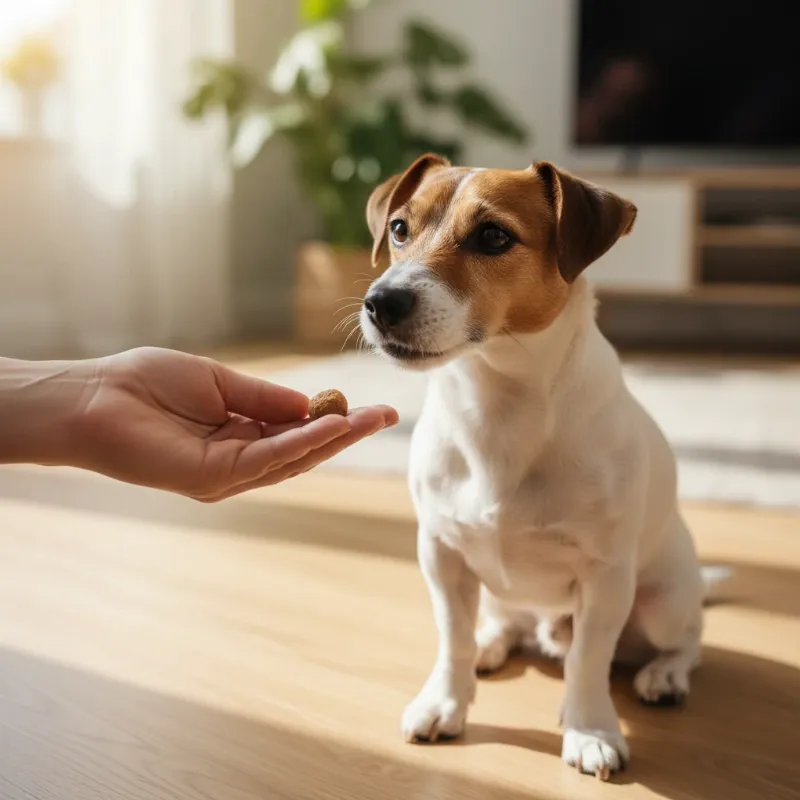 A person patiently training a small terrier with a treat, demonstrating positive reinforcement.
DIY Small Dog Training Treats
For owners who want complete control over what their dog eats, making your own small dog training treats is a fantastic option. It’s often more affordable, and you can tailor the ingredients to your dog’s specific dietary needs or preferences. Plus, it’s surprisingly easy!
Simple Two-Ingredient Super Treats
This recipe is simple, healthy, and perfect for tiny dogs.
Ingredients:
- 1 jar of unsweetened, organic baby food (flavors like sweet potato, carrot, or chicken work well)
- 1 cup of oat flour (you can make your own by blending rolled oats in a blender)
Instructions:
- Preheat your oven to 350°F (175°C).
- In a bowl, mix the baby food and oat flour together until a thick dough forms. If it’s too sticky, add a little more oat flour.
- Roll the dough out very thin (about 1/8 inch thick) between two sheets of parchment paper.
- Remove the top sheet of parchment paper and use a pizza cutter or knife to score the dough into tiny, pea-sized squares.
- Slide the parchment paper with the scored dough onto a baking sheet.
- Bake for 15-20 minutes, or until the treats are firm and dry.
- Let them cool completely, then break them apart along the score lines.
Store these tiny treats in an airtight container in the refrigerator for up to two weeks. They are the perfect size, low in calories, and full of wholesome goodness. Making them yourself is just one more way to elevate their training, similar to how owners might seek out the very best training treats for small dogs on the market to ensure quality.
Frequently Asked Questions (FAQ)
What human foods can I use as small dog training treats?
Small, cooked pieces of plain chicken, tiny bits of carrot, or green beans can be excellent, low-calorie treats. Always ensure the food is safe for dogs and avoid anything with added salt, sugar, or toxic ingredients like onions or garlic.
How do I choose a treat if my small dog has allergies?
Look for limited-ingredient diet (LID) treats. These typically contain a single protein source (like duck or venison) and a single carbohydrate. Making your own treats is also a great way to control ingredients and avoid allergens.
My small dog isn’t motivated by food. What can I do?
First, try different types of treats—some dogs prefer soft and chewy, while others like crunchy. Try higher-value treats like freeze-dried liver or salmon. If they are still uninterested, their reward might be a favorite toy, a game of tug, or enthusiastic praise.
Can I use training treats for my new puppy?
Absolutely! Just make sure the treats are very small and soft enough for their puppy teeth. Training should start the day you bring your puppy home, and treats are a great way to make it a positive experience.
How long should a training session last for a small dog?
Keep training sessions short and sweet. For small dogs and puppies, 5-10 minutes at a time is perfect. You can have several short sessions throughout the day. This keeps them focused and excited to learn, preventing burnout.
Conclusion: Tiny Treats, Triumphant Training
Choosing the right small dog training treats is more than just a simple purchase; it’s an investment in your relationship with your dog. It’s about understanding their unique needs and using that knowledge to communicate effectively and build a foundation of trust and positive association. The perfect treat—small, healthy, and delicious—is a powerful tool that makes training less of a chore and more of a joyful game you play together. By avoiding common pitfalls and focusing on positive reinforcement, you’ll not only teach your dog valuable commands but also strengthen the incredible bond that makes life with a small dog so special.
