
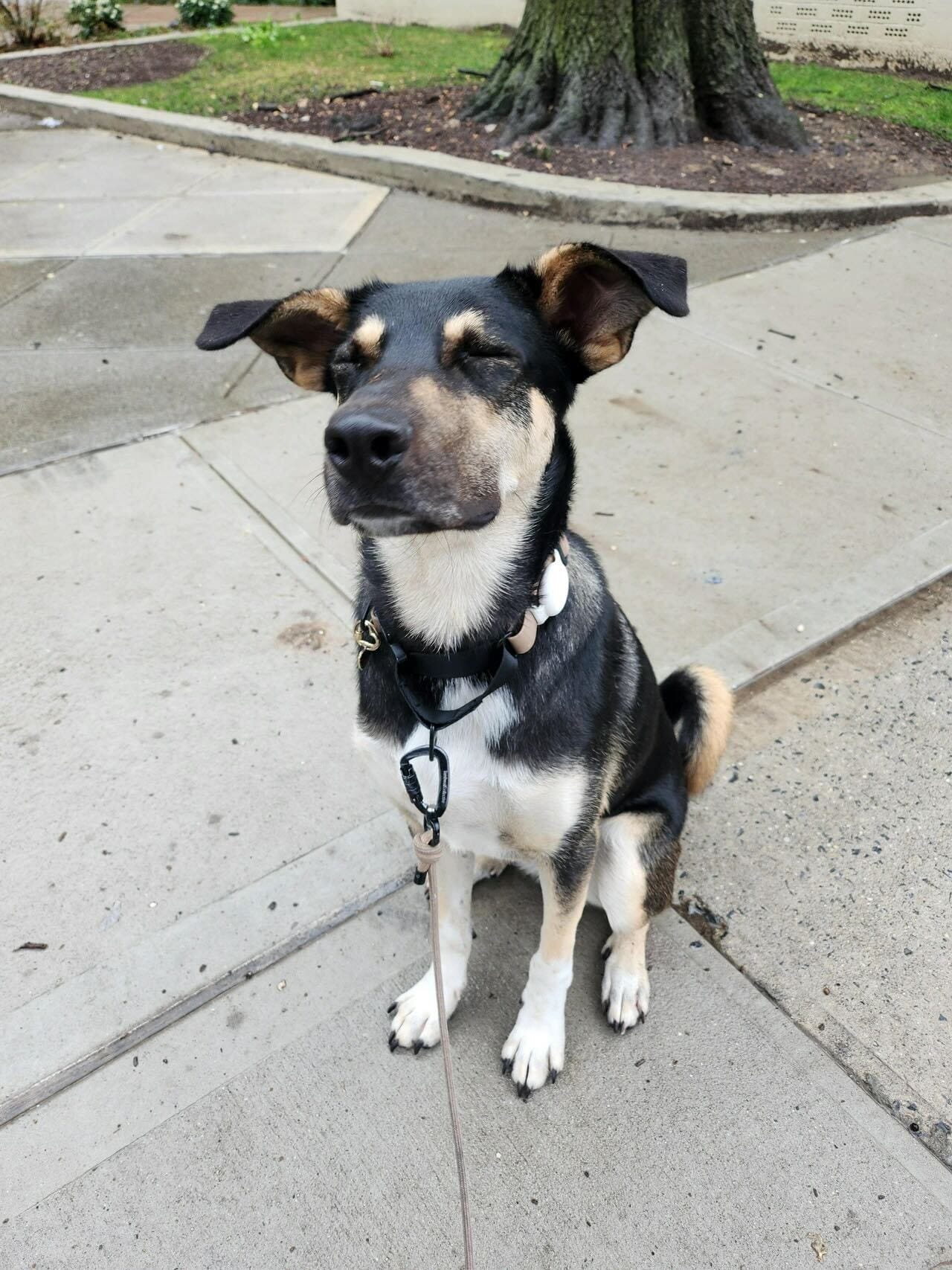
Finding the right training collar for your small dog can be a challenge, but it’s essential for effective communication and a well-behaved companion. Small breeds often have unique needs due to their size and sensitivity, making the selection process even more critical. This guide will delve into what makes a training collar suitable for smaller dogs, explore different types, and help you choose the best option for your furry friend.
Understanding the Needs of Small Dogs
Small dogs, such as Chihuahuas, Yorkshire Terriers, and Pomeranians, possess distinct characteristics that influence their training needs. Their delicate necks and more sensitive skin require collars that are lightweight, comfortable, and adjustable to a precise fit. Overtraining or using overly harsh methods can be detrimental to their physical and emotional well-being. Therefore, the focus should always be on positive reinforcement and tools that aid, rather than punish. When considering options like a extra Small Dog Training Collar, it’s crucial to prioritize gentle effectiveness.
Types of Training Collars for Small Dogs
Several types of training collars are available, each designed to address different training scenarios. For small dogs, the emphasis is on safety, comfort, and controlled effectiveness.
Martingale Collars
Martingale collars, also known as limited-slip collars, are a popular choice for small dogs, especially those with slender heads like sighthounds. They are designed to tighten slightly when the dog pulls, preventing escape, but only to a certain point, thus avoiding choking. This gentle tightening mechanism can be very effective for reinforcing commands without causing distress.
Flat Buckle Collars
While not strictly a “training” collar, a well-fitting flat buckle collar is the foundation for everyday wear and can be used for basic leash training. It’s important to ensure it’s snug enough that the dog cannot slip out, but loose enough to fit two fingers comfortably between the collar and the dog’s neck. For puppies, a lightweight adjustable option is ideal.
Head Halters
Head halters, like the Gentle Leader or Halti, work by steering the dog’s head. When the dog pulls, the halter gently guides their head back towards you, discouraging pulling. They can be highly effective for small dogs that tend to pull strongly on the leash, but they require a proper introduction period to ensure the dog accepts wearing them comfortably.
Remote Control E-Collars (Use with Extreme Caution)
Electronic training collars, often called e-collars or shock collars, offer various levels of stimulation, including vibration and static correction. While some owners find them useful for off-leash training or addressing persistent behavioral issues, they must be used with extreme caution on small dogs. The smallest static correction can be overwhelming for a small, sensitive dog. Many experts recommend these only as a last resort and always at the lowest possible setting, ideally under the guidance of a professional trainer. If considering such a device, searching for the smallest dog training collar with remote is key, but always prioritize humane and gentle methods first. For those seeking alternatives, the best training collar for small dogs often involves less invasive options.
Key Features to Look For in a Small Dog Training Collar
When selecting a training collar for your small dog, several features should be at the forefront of your decision-making process.
Material and Comfort
Look for collars made from soft, durable, and lightweight materials such as nylon or soft leather. Padded collars can offer additional comfort. Ensure there are no rough edges or hard plastic components that could irritate your dog’s skin.
Adjustability and Fit
A collar’s ability to adjust to a precise fit is paramount for small dogs. It should be adjustable to accommodate slight weight fluctuations and ensure a secure yet comfortable fit. A collar that is too loose can be a safety hazard, while one that is too tight can cause discomfort or injury.
Durability and Safety Clasps
Even small dogs can be strong pullers. Choose collars with sturdy D-rings for leash attachment and durable stitching. Safety clasps, especially on buckle collars, should be robust and reliable.
Weight
The overall weight of the collar is a significant factor. A heavy collar can be uncomfortable and cumbersome for a small dog, potentially hindering their natural movement and willingness to wear it.
Choosing the Right Collar for Your Specific Needs
The “best” training collar is subjective and depends on your dog’s breed, temperament, and the specific training goals you have.
For Gentle Leash Manners
If your primary goal is to teach your dog to walk politely on a leash without pulling, a martingale collar or a well-fitted head halter can be excellent choices. These tools provide control without harshness. For owners seeking the absolute gentlest option, researching best small dog training collars will often highlight these types.
For Addressing Behavioral Issues
For more complex behavioral issues, such as excessive barking or reactivity, a remote e-collar might be considered, but only with extreme caution and professional guidance. Vibration collars are often a less aversive alternative. However, it’s crucial to address the root cause of the behavior rather than solely relying on a collar for correction. Understanding your dog’s behavior is key; for instance, a dog that barks out of anxiety might respond better to desensitization and counter-conditioning than a correction collar.
For Puppies
For puppies, the focus should be on familiarization and positive association. A lightweight, adjustable flat collar is usually sufficient for basic identification and introductory leash walking. Introduce any training collar gradually and positively.
How to Properly Fit and Use a Training Collar
1. Measure Your Dog’s Neck: Use a soft measuring tape to measure the circumference of your dog’s neck. Add about two inches to this measurement to determine the ideal collar length.
2. The Two-Finger Rule: The collar should be snug enough that you can comfortably slip two fingers between the collar and your dog’s neck. It shouldn’t be so loose that the dog can easily slip out of it, nor so tight that it restricts breathing or causes discomfort.
3. Gradual Introduction: If using a new type of collar, especially a head halter or e-collar, introduce it gradually. Let your dog wear it for short periods indoors, associating the experience with treats and praise. Never force the collar on your dog.
4. Consistent Training: A training collar is a tool, not a magic wand. It works best when combined with consistent positive reinforcement training methods. Understand how the collar functions and use it to communicate clearly with your dog.
5. Monitor for Irritation: Regularly check your dog’s neck for any signs of redness, irritation, or sores, especially if using a collar daily. Ensure the collar is clean and free of debris.
Expert Tips for Small Dog Training Collars
“When choosing a training collar for a small dog, always err on the side of caution and gentleness. Their smaller size and more delicate anatomy mean they can be more susceptible to injury or distress from improperly used tools. Prioritize clear communication and positive reinforcement, using the collar as a supplement, not a replacement, for good training practices.” – Dr. Emily Carter, Veterinary Behaviorist
When you’re looking for the pet training collar for small dogs, remember that your dog’s well-being and comfort should always be the top priority. A well-chosen and properly used training collar can be an invaluable asset in building a stronger bond with your canine companion and ensuring they are a well-behaved member of your family. Always consult with a professional trainer or veterinarian if you have concerns about selecting or using a training collar. The journey to a well-trained dog is a rewarding one, and the right tools can make all the difference. For specialized needs, explore options like the best training collar for small dogs to find a perfect match.
