
The world of dogs is incredibly diverse, offering a friend for every personality and lifestyle. Whether you’re drawn to the compact charm of a small dog or the robust presence of a big dog, there’s a canine companion waiting to fill your life with joy. This exploration delves into the fascinating spectrum of dog sizes, from the tiniest lapdogs to the grandest gentle giants, touching upon their unique characteristics, care needs, and the profound stories they bring into our lives. Understanding the nuances between small dog and big dog breeds can help you find the perfect match for your home and heart.
The Allure of Small Dogs
Small dogs, often celebrated for their portability and spirited personalities, have carved a special niche in the hearts of many. Breeds like the Yorkshire Terrier, Chihuahua, and Pomeranian are renowned for their big personalities packed into tiny frames. These dogs can adapt well to apartment living, making them ideal for urban dwellers. Their grooming needs can vary significantly by breed, with some requiring daily attention and others being relatively low-maintenance. Despite their size, many small breeds possess a surprising amount of energy and a keen sense of alertness, often acting as diligent little watchdogs. Their trainability is generally excellent, though some can exhibit a stubborn streak. The emotional bond formed with a small dog can be incredibly strong, offering constant companionship and affection.
Top Small Dog Breeds and Their Quirks
- Chihuahua: Known for their unwavering loyalty and sometimes feisty temperament, Chihuahuas are one of the smallest dog breeds. They require minimal exercise but thrive on close human interaction.
- Yorkshire Terrier: These energetic and courageous terriers are characterized by their silky, long coat. They are intelligent and can be trained effectively, though early socialization is key.
- Pomeranian: With their fluffy double coat and fox-like face, Pomeranians are bundles of energy and curiosity. They are intelligent, trainable, and make alert companions.
- Dachshund: Famous for their long bodies and short legs, Dachshunds come in various coat types and sizes. They are playful, brave, and can be prone to back problems, requiring careful handling.
- Shih Tzu: Bred as companions, Shih Tzus are affectionate and outgoing. Their long coat requires regular grooming, but their generally happy-disposition makes them beloved pets.
The Majesty of Big Dogs
Big dogs, from the powerful German Shepherd to the gentle Great Dane, offer a different kind of companionship – one often characterized by a calm presence, protective instincts, and a need for space and regular activity. Breeds like the Labrador Retriever, Golden Retriever, and Bernese Mountain Dog are known for their friendly and even-tempered nature, making them excellent family pets. Their larger size necessitates more space, both indoors and outdoors, and a commitment to regular, vigorous exercise. Grooming needs can range from moderate to high, depending on coat type. Training and socialization are paramount for big dogs to ensure they are well-behaved and confident. The loyalty and deep connection one can form with a large breed are truly remarkable, offering a sense of security and unwavering devotion.
Popular Big Dog Breeds and Their Traits
- German Shepherd: Intelligent, courageous, and highly trainable, German Shepherds excel in various roles, from family pets to working dogs. They require consistent training and ample exercise.
- Golden Retriever: Known for their friendly, tolerant attitude, Golden Retrievers are exceptionally good with children and other animals. They are eager to please and love to be active.
- Labrador Retriever: Consistently ranked as one of the most popular breeds, Labs are outgoing, active, and good-natured. They are highly versatile and thrive on family interaction and exercise.
- Great Dane: Despite their imposing size, Great Danes are often referred to as “gentle giants” due to their sweet and friendly disposition. They require less exercise than some other large breeds but need space.
- Siberian Husky: These striking dogs are known for their endurance, striking blue or multi-colored eyes, and friendly, outgoing nature. They have high energy levels and a strong desire to run.
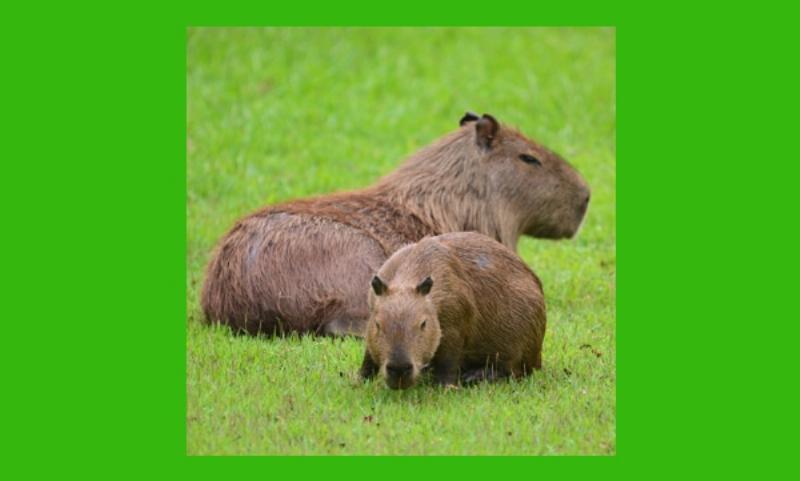 Alt text for image showing contrast between small and large dog breeds
Bridging the Gap: Choosing the Right Size
Selecting between a small dog and a big dog is a significant decision that hinges on numerous factors. Consider your living situation: an apartment might be more suited to a smaller, less active breed, while a home with a large yard could accommodate a larger, more energetic dog. Your lifestyle plays a crucial role; an active individual or family might thrive with a large, adventurous dog, whereas someone with a more sedentary lifestyle might prefer a lapdog. Financial considerations are also important; larger dogs generally cost more to feed, groom, and provide veterinary care for. Ultimately, the “best” size is subjective and depends entirely on what you seek in a canine companion and what you can offer them.
Factors to Consider:
- Living Space: Do you have ample room for a large dog to move around, or is a compact breed more suitable for your home?
- Activity Level: Are you an avid hiker looking for a partner in adventure, or do you prefer a cozy companion for quiet evenings?
- Time Commitment: Some breeds, regardless of size, require more grooming, training, and attention than others.
- Family Dynamics: Consider how a dog’s size and temperament will integrate with children, other pets, and your household’s overall routine.
The Unifying Power of Dogs: Stories of Companionship
Regardless of size, dogs offer unparalleled loyalty, unconditional love, and a unique ability to enrich human lives. The stories we share about our canine friends often highlight their intelligence, their resilience, and their capacity for deep emotional connection. Whether it’s a tiny terrier’s bravery in protecting its family or a giant breed’s gentle patience with children, each dog has a story waiting to be told. These narratives, like those found in clifford the red dog books or the heartwarming tale of book a dogs journey, underscore the profound impact dogs have on our lives. They teach us about responsibility, empathy, and the simple joys of companionship.
Canine Records: Smallest and Tallest Paws
The world of dogs is also home to some incredible records, showcasing the extreme ends of canine size. The smallest dog in the world guinness book of records often features tiny breeds that defy their size with vibrant personalities. Conversely, the guinness book tallest dog highlights the sheer magnificence of giant breeds that command attention with their impressive stature. These records are not just about size; they celebrate the diversity and unique qualities that each dog brings to the world.
Frequently Asked Questions about Dog Sizes
Q1: Is a small dog or a big dog easier to train?
A1: Trainability often depends more on the individual dog’s breed and temperament than its size. However, the physical manageability of a small dog can sometimes make early training feel less daunting.
Q2: Which size dog is better for first-time owners?
A2: For first-time owners, a medium-sized dog with a generally amiable and trainable temperament, like a Labrador Retriever or a Golden Retriever, is often recommended, as they can be more forgiving of training mistakes. However, many small breeds are also excellent for beginners if their energy levels and grooming needs are understood.
Q3: Do small dogs bark more than big dogs?
A3: While some small breeds are known for being vocal, barking is a behavior that can be managed with training in dogs of all sizes. It often depends on the breed’s natural tendencies and the owner’s approach to training.
Q4: Are big dogs more expensive to own than small dogs?
A4: Generally, yes. Larger dogs consume more food, require larger accessories (beds, crates), and can incur higher veterinary costs due to their size (e.g., medication dosages).
Q5: Can a small dog and a big dog be friends?
A5: Absolutely! Size is not a barrier to friendship. With proper introductions, socialization, and supervision, dogs of different sizes can form strong, loving bonds.
Q6: Which size dog requires more exercise?
A6: This varies greatly by breed, not just size. Some large breeds are quite calm, while some small breeds are exceptionally energetic. It’s crucial to research the specific exercise needs of any breed you are considering.
In conclusion, the journey through the world of dogs, from the tiny to the towering, is a testament to the incredible diversity and unwavering affection these animals offer. Whether you envision a small dog as your constant companion or a big dog as your loyal protector, the story of dog ownership is one of mutual growth, joy, and a bond that transcends size. Embracing the unique characteristics of each breed allows us to find the perfect furry family member and continue the age-old “Dog Care Story” with love and understanding.
