
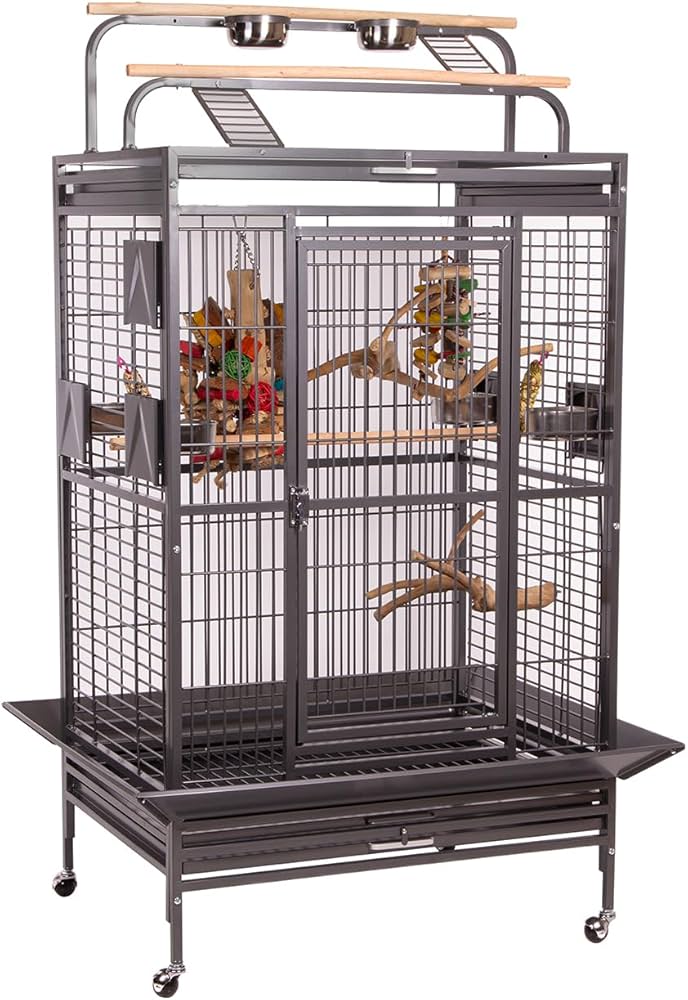
When it comes to housing your small bird, the cage is more than just a container; it’s their entire world. Choosing the right cage is crucial for their physical health, mental stimulation, and overall happiness. For owners of small birds like finches, canaries, parakeets, or cockatiels, selecting a Small Bird Cage requires careful consideration of size, bar spacing, features, and ease of cleaning. This guide will help you navigate the options to find the perfect home for your feathered companion.
Why the Right Cage Matters
A small bird cage that is too cramped can lead to a variety of problems, including obesity, boredom, stress, and even behavioral issues. Conversely, a well-chosen cage provides ample space for movement, allows for the inclusion of toys and perches for enrichment, and is easy to maintain, ensuring a hygienic environment. The right cage supports your bird’s natural instincts to fly, climb, and explore.
Key Features to Consider
When selecting a small bird cage, several factors should be at the forefront of your decision-making process:
Size and Dimensions
While we’re discussing “small” bird cages, the definition of “small” can vary. Even for small species, bigger is generally better. Look for cages that offer enough width for your bird to flap their wings comfortably and enough height for them to perch and move vertically. For finches and canaries, a cage with a floor space of at least 18×18 inches might be a good starting point, while parakeets and cockatiels will appreciate larger dimensions. Always check the manufacturer’s recommendations for the specific bird species.
Bar Spacing
This is a critical safety feature. Small birds can easily get their heads, feet, or wings stuck in bars that are too wide apart, leading to injury or death. For finches and canaries, bar spacing should typically be no more than 1/2 inch. For slightly larger small birds like budgies, 1/2 inch to 5/8 inch is generally acceptable. Always err on the side of narrower spacing for safety.
Cage Shape
While many small bird cages are rectangular, some are round or have varied shapes. Rectangular cages are often preferred as they provide more usable space for flight and perching. Round cages can sometimes limit movement and may not offer as much horizontal flying room.
Material and Durability
Cages are typically made from metal, such as steel, iron, or aluminum, often coated with a non-toxic powder coating or enamel. Ensure the material is rust-resistant and the coating is bird-safe, as birds may chew on the bars. Avoid cages with toxic finishes or materials that can flake off.
Ease of Cleaning
A cage with a removable bottom tray or grate makes daily spot cleaning and full cage cleanings much easier. Regular cleaning is essential to prevent the buildup of bacteria and mold, which can be harmful to your bird’s health. Look for smooth surfaces that can be wiped down easily.
Perches and Accessories
While cages often come with basic perches, it’s important to provide a variety of perch sizes and textures to promote healthy foot conditions. Natural branches or specifically designed perches made from different materials can help prevent bumblefoot and other foot problems. Ensure any included perches are appropriately sized for your bird’s feet.
Top Small Bird Cage Options
When browsing for small bird cages, you’ll find a variety of styles and brands. Here are some popular types and considerations:
Travel Cages
These are smaller, portable cages often used for vet visits or short trips. They are designed for convenience and safety during transit but are generally not suitable for full-time housing due to their limited size.
Play-Top Cages
Some small bird cages feature a play-top, which is an open area on top of the cage with perches and ladders, allowing your bird to spend time outside the main cage under supervision. This can provide extra enrichment and interaction opportunities.
Budget-Friendly Options
Walmart offers a range of affordable small bird cages that can be suitable for many small species. When choosing a budget option, prioritize safety features like proper bar spacing and non-toxic materials above all else.
Setting Up Your Bird’s New Home
Once you’ve selected the perfect cage, setting it up correctly is the next step:
Placement: Position the cage in a draft-free area, away from direct sunlight and extreme temperature fluctuations. Birds are sensitive to temperature changes. Place the cage at eye level or slightly higher, as birds feel more secure when they can survey their surroundings from an elevated position. Avoid placing the cage in high-traffic areas where constant activity might stress your bird.
Perches: Install perches at varying heights, ensuring they don’t interfere with the bird’s ability to move freely or access food and water dishes. Offer a variety of diameters to exercise your bird’s feet.
Food and Water: Place food and water dishes in easily accessible locations, preferably on opposite sides of the cage to prevent contamination. Stainless steel dishes are recommended for their durability and ease of cleaning.
Toys: Provide a selection of safe and engaging toys to keep your bird mentally stimulated. Rotate toys regularly to maintain interest. Options include bells, mirrors (use with caution, as some birds can become obsessed), shreddable toys, and foraging toys.
Substrate: Use a suitable cage lining, such as newspaper, paper towels, or specialized bird cage liners. Avoid wood shavings, especially pine and cedar, which can release harmful fumes. Sanded perches are generally not recommended as they can cause foot problems.
Maintaining a Clean Environment
Regular cleaning is paramount for your bird’s health. Daily tasks should include:
- Spot cleaning droppings.
- Changing cage liners.
- Washing food and water dishes.
- Ensuring toys are clean.
A more thorough cleaning, involving washing the entire cage with soap and water (and rinsing thoroughly), should be done at least weekly, or more often if needed.
Choosing the right small bird cage is an investment in your pet’s well-being. By considering size, bar spacing, material, and ease of cleaning, you can provide a safe, stimulating, and comfortable environment for your feathered friend to thrive in for years to come.
