
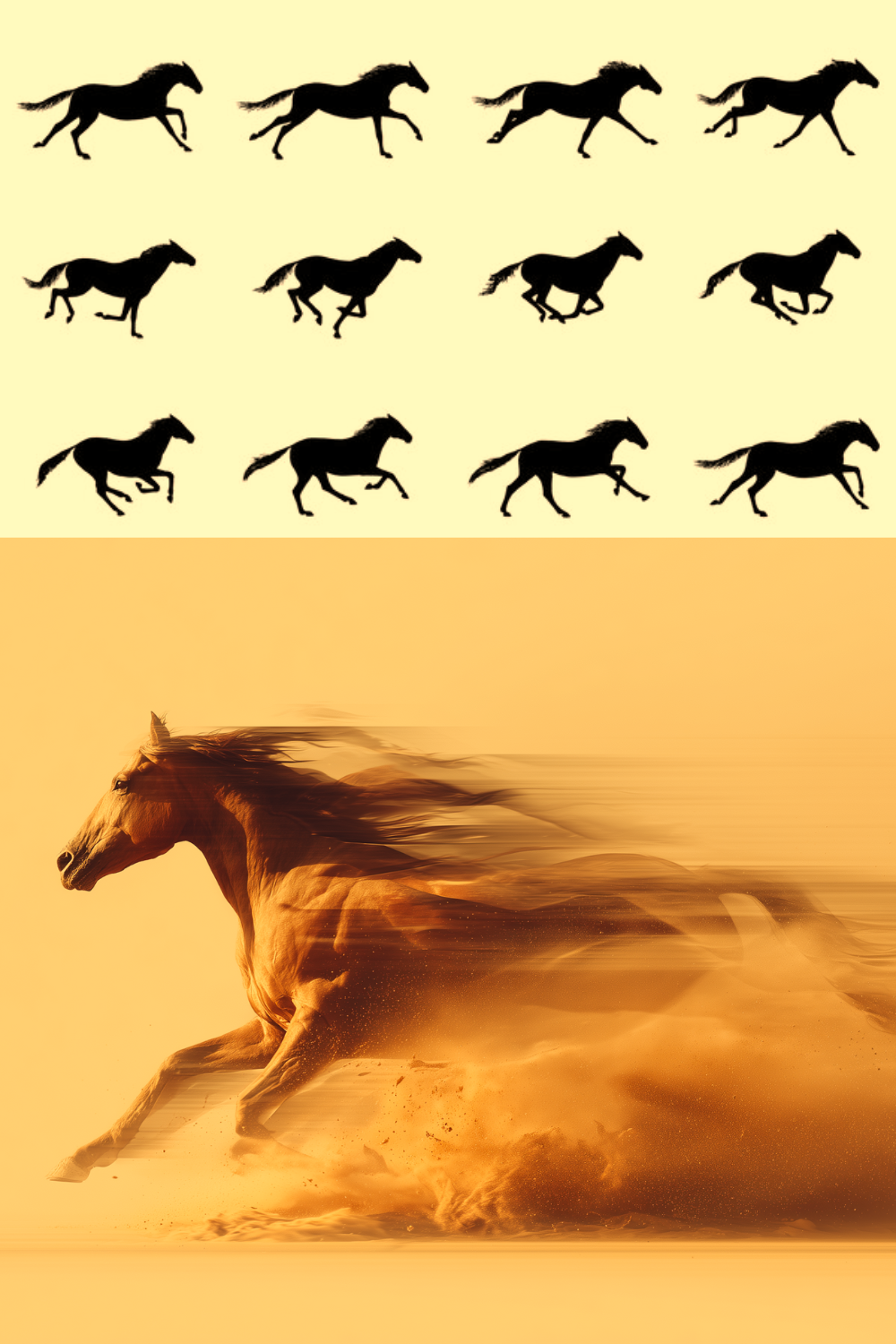
As your young horse reaches four years of age, you may notice a significant change in his movement, particularly at the walk. This newfound “swing” in his back is a common and exciting developmental milestone, especially for breeds known for their slower maturation process, such as the Spanish Mustang. This article will explore why this change occurs, how to support your horse’s development through training, and the key principles to foster a supple and well-moving equine partner.
Normal Development in Maturing Horses
Yes, the observed change in your four-year-old horse’s gait is a normal sign of development. Horses, like all living beings, mature at different rates. Larger breeds with more expansive gaits often take longer to fully develop physically. This means that a noticeable change in their back’s movement, like increased swinging, is a positive indicator of their ongoing growth and strengthening.
Supporting Your Young Horse’s Training
While this developmental change is natural, it is crucial to approach training with patience and a focus on allowing your horse adequate time to develop. For a four-year-old, an optimal training program often involves riding lightly three to four times a week. A significant portion of this time should be spent “hacking” or riding outside the arena, which encourages a more relaxed and natural movement.
When riding at the walk, avoid maintaining a short rein. Instead, encourage a free walk on a long rein. This approach promotes relaxation, allowing your horse to stretch and swing his back more freely as he reaches forward for the bit. This gentle approach is key to building a positive association with movement and developing his natural athleticism.
The Importance of Rhythm and Tempo
Developing the correct rhythm and tempo is fundamental to a horse’s education. Tempo refers to the speed of the gait in beats per minute, while rhythm is the pattern of hoof falls. These two elements interact dynamically in a developing horse. Riders must discover the tempo within each gait that best suits their individual horse. A tempo that is neither too fast nor too slow will help the horse establish a consistent working rhythm. This, in turn, encourages relaxation and, eventually, the development of expression and cadence within that rhythm.
Accepting the Contact
A critical aspect of training is teaching your horse to accept the contact of the bit. This means he should yield to the pressure, relax his jaw and poll, and chew the bit softly. Accepting the contact provides the rider with a clear point of connection, allowing them to ride the horse forward effectively. When correct contact is combined with regularity and relaxation of the gaits, it encourages the hindquarters to generate more pushing power. This is the foundation for developing a relaxed, swinging back.
Fostering Losgelassenheit and Topline Development
As your horse matures physically, your training can become more structured. Focus on developing the fundamental principles of the training scale, particularly Losgelassenheit, which translates to a state of uninhibited suppleness and freedom from resistance. This state is achieved by combining a lower neck carriage with the energy generated from the hindquarters.
Engage your horse in simple school figures that involve bending, such as circles and figure eights. These exercises encourage him to relax, stretch over his topline, and swing his back. The correct development of the horse’s topline is paramount to successful training. A supple, swinging back is an essential component for developing impulsion and balance, which are crucial for all equestrian disciplines.
Sarah Geike is a U.S. Dressage Federation (USDF) Certified Instructor and a U.S. Equestrian Federation “R” judge. She was awarded the 1999 Lindgren Scholarship from The Dressage Foundation for study abroad. She lives in Connecticut.
Reprinted from the May 2000 issue of Dressage Today magazine.
