
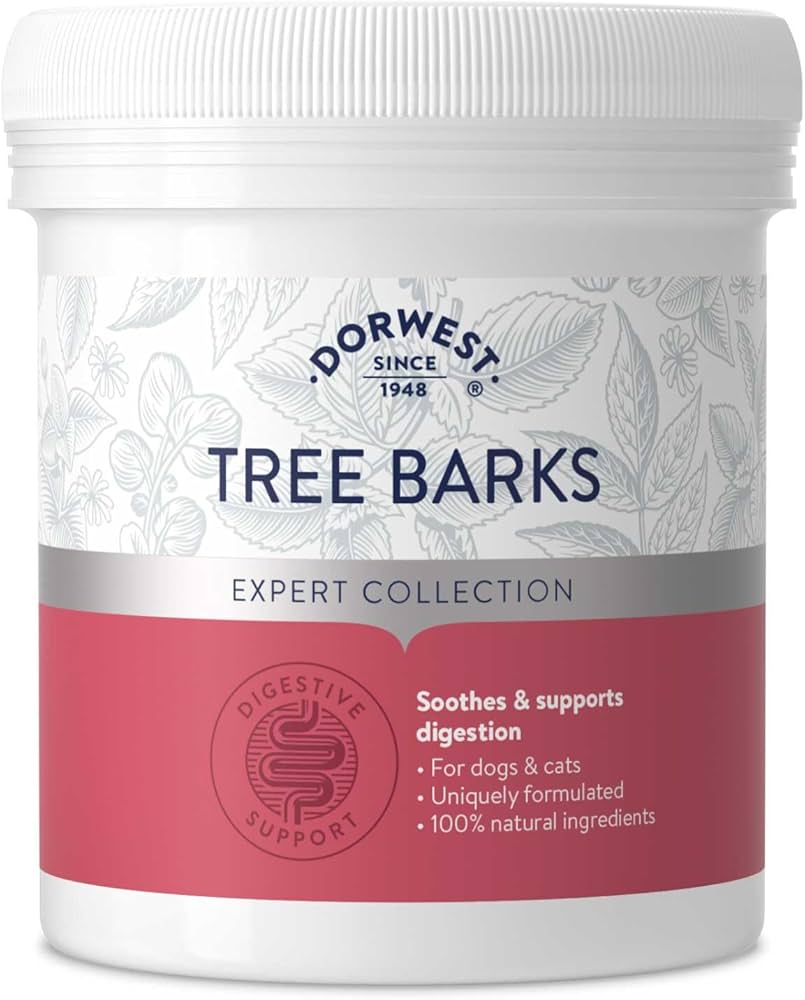
Dealing with your dog’s digestive health can be a minefield of potential problems, from diarrhea and constipation to more serious conditions like ulcers and irritable bowel syndrome. Various factors can trigger these issues, including dietary changes, ingesting inappropriate items, or underlying health concerns. Fortunately, several safe and effective options can help manage your dog’s digestive well-being. Among these, slippery elm stands out as a remarkably versatile and safe herb for various canine ailments. This article explores the common uses of slippery elm and provides guidance on how to administer it to your dog.
Understanding Slippery Elm
Slippery elm (Ulmus rubra), also known as red elm or sweet elm, is a tree native to eastern North America. For centuries, Indigenous peoples have utilized its inner bark as a traditional remedy for digestive disturbances, coughs, and other health issues. The medicinal properties of slippery elm are attributed to its unique components:
- Demulcent Properties: Slippery elm contains mucilage, a gel-like substance that forms a protective coating over mucous membranes, soothing irritation in the digestive tract.
- Laxative Effects: It acts as a mild laxative, aiding in regular bowel movements.
- Emollient Qualities: Slippery elm helps to soften and calm the skin.
- Astringent Action: It can help to tighten skin cells and tissues, and also the lining of the digestive tract.
- Nutritive Value: Rich in nutrients like vitamins A, B complex, C, and K, as well as minerals such as calcium, magnesium, and sodium, it contributes to overall health.
- Anti-inflammatory Benefits: Slippery elm can reduce redness, swelling, and pain associated with inflammation.
Typically harvested in the spring, slippery elm is available in powder form and can be used both internally and topically. Its naturally sweet taste makes it palatable for dogs.
9 Therapeutic Uses of Slippery Elm for Dogs
Slippery elm offers a wide range of benefits for dogs, addressing various health concerns:
1. Managing Diarrhea
For acute cases of diarrhea, slippery elm is highly effective. It soothes the inflamed mucous membranes of the digestive tract and promotes lubrication and secretion of mucus. Its astringent properties help to tighten the gut lining, further reducing inflammation. Additionally, the fiber content acts as a prebiotic, nourishing beneficial gut bacteria and supporting normal digestive function.
2. Alleviating Constipation
While it may seem counterintuitive, slippery elm can effectively treat both diarrhea and constipation by regulating the digestive system. Its soothing and lubricating properties help relax the digestive tract muscles, easing constipation. It can also act as a gentle laxative, particularly beneficial for dogs experiencing discomfort due to worms.
3. Addressing Other Digestive Issues
The anti-inflammatory benefits extend to other digestive problems, including ulcers, colitis, gastritis, irritable bowel syndrome (IBS), and Crohn’s disease, providing relief from intestinal inflammation.
4. Soothing Heartburn
Slippery elm’s mucilage can coat the esophagus, protecting it from stomach acid and providing relief from the burning sensation associated with heartburn or acid reflux in dogs.
5. Easing Coughs
By lining the throat, slippery elm can soothe the discomfort associated with painful coughs, including those caused by kennel cough, bronchitis, and other respiratory infections. While human lozenges often contain slippery elm, it’s crucial not to administer them to dogs due to potentially harmful additional ingredients.
6. Supporting Transition to Raw Food Diets
Transitioning a dog to a raw food diet can sometimes cause digestive upset. Slippery elm can soothe the gut during this adjustment period, making the transition smoother for your dog.
7. Assisting Urinary Tract Health
Some sources suggest slippery elm may benefit the bladder, particularly in cases of unexplained inflammation, which can sometimes be misidentified as urinary tract infections.
8. Promoting Skin Healing
As an astringent, slippery elm can help dry oozing wounds and stop bleeding, accelerating the healing process for burns, boils, or infected skin lesions.
9. Aiding in Swallowing Difficulties
For instances where a dog has swallowed something too large and it becomes lodged, slippery elm gel or syrup can help lubricate the digestive tract, potentially aiding the object’s passage.
Administering Slippery Elm to Your Dog
When preparing to give your dog slippery elm, consider the following recommendations from holistic veterinarian Lisa Brienen:
Important Cautions:
- Sustainability: Opt for sustainably harvested slippery elm products, as the tree is at risk of overharvesting.
- Allergies: Though rare, some dogs may be allergic to slippery elm. Watch for signs like hives, swelling, vomiting, or itchiness.
- Pregnancy: Do not use slippery elm for pregnant dogs.
- Absorption Interference: Due to the protective layer it forms, give slippery elm at least three hours apart from other supplements to ensure proper absorption of nutrients.
Methods of Administration:
- Powder: Administer ¼ teaspoon of powder per 10 lbs of body weight. Mix with food or yogurt. If using capsules, empty them and use the powder measurements.
- Gel: Stir the appropriate powder dose into warm water until thickened. This can be given directly or syringed into the mouth.
- Syrup: Boil 1 rounded teaspoon of slippery elm powder in 1 cup of cold water, then simmer for 2-3 minutes. Stir in 1 tablespoon of honey after removing from heat and let it cool. Dosage varies by weight:
- Under 25 lbs: 1-2 tablespoons four times daily.
- 25-50 lbs: 2-4 tablespoons four times daily.
- Over 50 lbs: ¼ to ½ cup four times daily.
- Healing Mixture: Combine equal parts slippery elm powder, FOS (fructo-oligosaccharide) powder, and L-Glutamine powder. Dosages: Small dogs – 1 tsp twice daily; Medium dogs – 2 tsp twice daily; Large dogs – 3 tsp twice daily; Giant dogs – 2 capsules daily. L-Glutamine alone can be given at 500 mg per 25 lbs of body weight per day.
- Topical Application: For wounds, mix slippery elm powder with hot water to create a paste. Once cooled, apply it to the affected area using a soft cloth. Alternatively, create a sachet with the powder in cheesecloth or cotton, soak it in warm water, and gently press it onto the wound as it cools.
Complementary Remedies
Slippery elm can be used alongside other remedies for enhanced effectiveness. For digestive issues, consider exploring other digestive aids. For external wound healing, other natural solutions may also prove beneficial.
Whether used independently or in conjunction with other herbs, slippery elm is a valuable natural remedy for a variety of canine health concerns, offering a safe and effective approach to digestive upset, coughs, and skin healing.
