
The journey of sharing our lives with canine companions often involves adventures that extend beyond our own backyards. Whether it’s a road trip to a scenic national park, a flight to visit family, or a relocation to a new city, traveling with our dogs can be a fulfilling experience for both human and pet alike. However, the excitement of travel can sometimes be overshadowed by the stress and anxiety that many dogs experience when faced with unfamiliar environments, new sounds, and the disruption of their routines. In these situations, the question of sleeping pills for dogs for travel arises as a potential solution to manage travel-related anxiety and promote a more comfortable experience for our furry friends. This article explores the intricacies of using sleeping pills for dogs during travel, considering both the potential benefits and drawbacks, while also delving into a range of alternatives that can help ensure a safe and enjoyable journey for your beloved canine companion.
Understanding the Need for Sleeping Pills in Travel
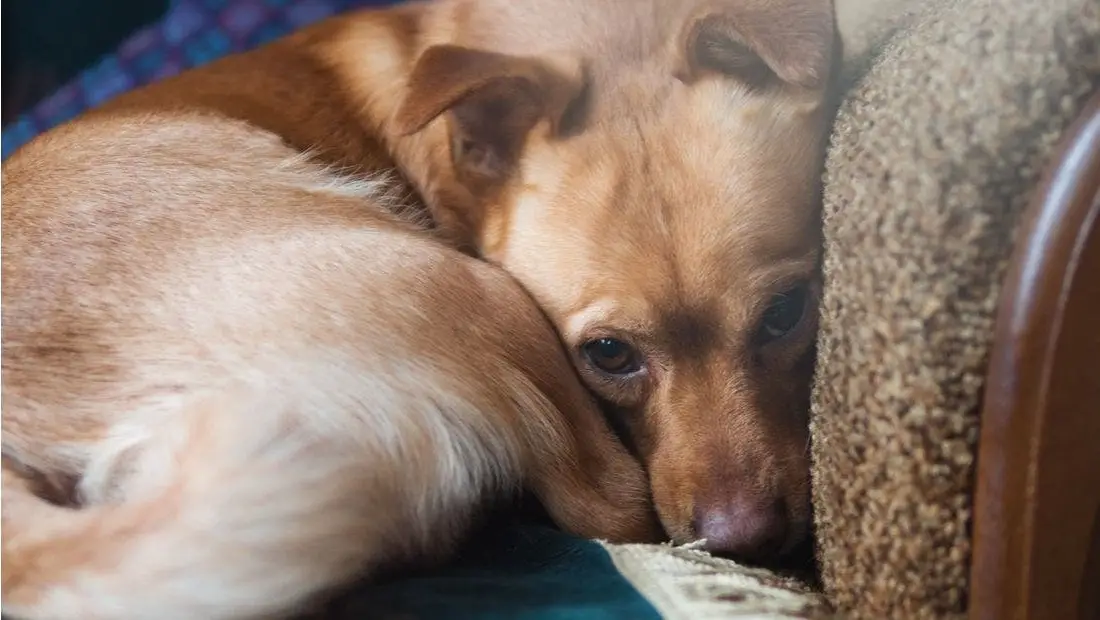
Traveling with dogs, while a joyous experience for many, can also be a source of significant stress for our canine companions. The change of scenery, the novelty of unfamiliar surroundings, and the disruption of their established routines can trigger anxiety and behavioral changes that can make the journey less pleasant for both pets and their owners. Understanding the reasons behind this anxiety, along with the signs that indicate an elevated stress level in dogs, is crucial for pet owners considering utilizing sleeping pills for dogs for travel.
The Psychological Impact of Travel on Dogs
Dogs, like humans, experience the world through their senses, forming emotional connections and reactions to their environment. When faced with unfamiliar situations, such as a car ride, a crowded airport, or a stay in a strange hotel, their instinctive responses can range from mild apprehension to severe anxiety. They may be exposed to new and overwhelming sensory stimuli – the sights, sounds, and smells of a bustling environment – which can significantly alter their perception of safety and security. Even dogs that are generally calm and well-adjusted at home might exhibit signs of anxiety when taken out of their comfort zone.
For example, a dog used to a quiet suburban neighborhood might react with fear and confusion when confronted with the loud noises and fast-paced activity of airport traffic. They might not understand why their usually familiar surroundings have vanished, leading to feelings of isolation and confusion. Moreover, the disruption of their established routine – their regular feeding, sleeping, and exercise schedules – can further add to their anxiety. For dogs, routines offer a sense of predictability and control, which can be severely disrupted by the uncertainty inherent in travel. This disruption can cause a significant emotional upheaval, leading to stress and anxiety that can manifest in behavioral changes such as restlessness, whining, and excessive panting.
Signs of Anxiety in Dogs During Travel
Recognizing the signs of anxiety in your dog during travel is the first step in deciding whether or not sleeping pills for dogs for travel might be a suitable option. These signs can vary depending on the individual dog’s personality and temperament, but some common indicators include:
- Restlessness and Pacing: Dogs experiencing anxiety often have trouble settling down and may pace back and forth or continuously shift their position. This restlessness can be a sign of feeling uncomfortable or insecure in the new environment.
- Whining, Barking, or Howling: Excessive vocalization, beyond the usual level of interaction, can signal anxiety or fear. This is the dog’s way of expressing discomfort or seeking reassurance. For example, a dog that rarely barks might start barking incessantly in a new environment.
- Excessive Panting or Salivation: Increased panting or drooling can be a telltale sign of anxiety or stress in dogs. When dogs feel anxious, their bodies respond with physiological changes, such as increased heart rate and respiration, which can lead to more rapid panting.
- Destructive Behavior: Dogs experiencing anxiety may engage in destructive behaviors, such as chewing or scratching at furniture or attempting to escape from confined spaces. These behaviors can be a way to relieve tension or express frustration caused by anxiety.
- Changes in Appetite and Bathroom Habits: Some dogs may lose their appetite or experience changes in their bathroom habits when anxious. This can be caused by stress hormones affecting bodily functions, altering the dog’s digestive system and overall physical comfort.
- Hiding or Cowering: Anxious dogs may try to hide or seek out secluded areas, looking for a safe space where they feel less exposed to the unfamiliar surroundings. Such behaviors reflect a deep-seated need to feel protected and secure.
Recognizing these behavioral changes is essential for understanding if sleeping pills for dogs for travel or some other intervention might be necessary to ease your dog’s anxiety and ensure a more comfortable travel experience.
Evaluating the Necessity of Medication
Prior to considering sleeping pills for dogs for travel, it’s crucial to assess whether medication is truly necessary for your dog’s wellbeing. Not all dogs require medication to cope with travel anxiety. Some dogs can adapt to new environments with proper preparation and training, while others may only experience mild anxieties readily eased by comforting strategies.
- Consider your dog’s temperament. Does your dog typically handle new environments with ease, or do they consistently exhibit fear and anxiety in unfamiliar places?
- Assess the intensity of the travel conditions. Is the travel short and within a familiar environment, or are the planned conditions potentially stressful (e.g., long car rides, flights, prolonged stay in an unfamiliar place)?
- Consider your dog’s previous travel experiences. Has he/she traveled before? If so, how did they react? Did they exhibit signs of anxiety?
- Think about your dog’s overall health. Does your dog suffer from pre-existing conditions that might interact with a given medication?
If your dog’s anxiety is mild and manageable with other techniques, such as comforting measures (like familiar toys or clothing items), training, and creating a comfortable travel environment, it might be unnecessary to resort to medication.
However, if your dog experiences severe anxiety during travel, and their emotional well-being is affected, it might be worthwhile to consider sedation. If you are considering using sleeping pills for dogs for travel the next step is to consult with your veterinarian and discuss the potential risks and benefits of pharmaceutical or natural remedies.
Types of Sleeping Pills for Dogs

Understanding the options available when considering sleeping pills for dogs for travel is a crucial step in making an informed choice that prioritizes their well-being. There is a spectrum of solutions, ranging from the commonly prescribed pharmaceutical interventions to natural remedies and supplements. Each has its own set of benefits and limitations, making it essential to have a thorough understanding of these differences before choosing a course of action.
Pharmaceutical Options: An Overview
When a veterinarian deems a sedative necessary, there are a range of pharmaceutical options available that can help manage anxiety during travel. These medications are typically prescribed based on the severity of the anxiety, the dog’s overall health, and the specific travel conditions.
- Short-Term vs. Long-Term Sedatives:
- Short-term options are often used for specific travel events, such as a flight or a car trip while long-term options can be useful for dealing with recurring anxiety from a changing environment or a challenging environment.
- Mechanism of Action:
- Some medications act on the brain to reduce anxiety and promote relaxation, whilst others might have a more calming effect and work on slowing down the body.
- All work on different parts of the central nervous system and affect how the dog reacts and responds.
- Dosage and Administration:
- Sleeping pills for dogs for travel are administered in varied ways, such as orally, under the skin, or by injection (although not as common).
- The specific dosage depends on various factors such as the breed, size, age, and overall health of the dog.
- It is generally not safe to over or under administer these types of medication.
Commonly Prescribed Medications
Several medications are widely used for managing travel anxiety in dogs, each with its own set of characteristics and potential effects. Understanding these specifics can help you discuss the best options with your veterinarian.
- Gabapentin: This medication originally developed to treat epilepsy in humans is now used in veterinary medicine for its calming effects. It helps to reduce anxiety and promote relaxation by influencing certain brain chemicals related to pain and anxiety. Gabapentin is often prescribed for dogs experiencing travel-related anxiety, especially during long journeys or when faced with stressful situations like visits to the veterinarian or groomer.
- Benefits:
- Reduces anxiety and stress.
- Easy to administer orally.
- Generally well-tolerated by dogs.
- Potential Side Effects:
- Drowsiness and lethargy.
- Loss of coordination (ataxia).
- Increased appetite and weight gain.
- Benefits:
- Melatonin: Melatonin is a natural hormone that helps regulate the sleep-wake cycle and promote relaxation. When used in dogs, it can effectively induce calmness and regulate sleep patterns, making it a potential option for managing travel-related anxiety. It’s often used for mild anxiety and is generally believed to be safer than other pharmaceutical options.
- Benefits:
- Promotes relaxation and restful sleep.
- Generally safe and well-tolerated.
- Can be given orally.
- Potential Side Effects:
- While generally considered safe, some dogs may experience some temporary side effects.
- These side effects can include changes in appetite, increased thirst, and a bit of lethargy. In rare instances, dogs might experience an increase in activity levels, making it even more important to follow the veterinarian’s dosage recommendations and closely observe the dog.
- Benefits:
- Acepromazine: Acepromazine is a tranquilizer commonly used to sedate dogs before surgery or in situations where a calming effect is desired. Although it generally calms dogs, it can have a slightly unpredictable set of effects making it less often used for sleeping pills for dogs for travel.
- Benefits:
- Reduces anxiety and promotes calmness.
- Can be suitable for situations where greater sedation is needed.
- Potential Side Effects:
- Lower blood pressure and potential for fainting.
- A drop in heart rate
- Can cause excitement and agitation in some rare cases.
- Benefits:
sleeping pills for dogs for travel – Natural Remedies and Supplements
In recent years, a growing trend among pet owners has shifted towards incorporating natural remedies and supplements for managing dog anxiety. These approaches often consider the overall well-being of the dog, including the psychological and emotional aspects. This is increasingly important when considering sleeping pills for dogs for travel.
- Chamomile: Chamomile, a popular natural remedy for human anxiety, can also have calming effects in dogs due to its soothing properties. It is often given as a tea, but some supplements are available in capsule or tablet form. The calming effect is achieved in dogs by relaxing the muscles and calming the nerves (through the apigenin in the chamomile, which has anti-anxiety effects).
- Benefits:
- Can help with mild to moderate anxiety.
- Generally safe for dogs and can be combined with comfort strategies.
- Potential Side Effects:
- Allergic reaction in some dogs, so ensure the tea comes from reputable sources.
- Benefits:
- CBD Oil: Cannibidiol (CBD) oil, derived from hemp, is gaining traction as a natural way to manage anxiety and promote relaxation in dogs. It works by interacting with the dog’s endocannabinoid system, which influences feelings of stress and relaxation.
- Benefits:
- Can reduce anxiety and promote calmness.
- May help with other issues that impact stress such as pain or inflammation.
- Potential Side Effects:
- While generally well-tolerated, some dogs may experience drowsiness, changes in appetite, or dry mouth.
- Benefits:
- L-Theanine: L-Theanine is an amino acid found in tea, particularly green tea. It has calming effects and can help promote a relaxed state without causing drowsiness.
- Benefits:
- Helps to reduce anxiety and promote a state of calm.
- Well-tolerated by dogs.
- Potential Side Effects:
- Rare with most dogs.
- Benefits:
The Importance of Veterinary Consultation
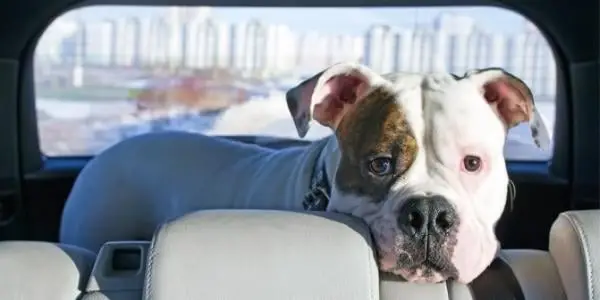
The decision of whether or not to administer sleeping pills for dogs for travel should always be made in close consultation with a veterinarian. This consultation is paramount to ensure the safety and well-being of your dog.
Why Professional Guidance is Essential
Veterinarians play a key role in determining the most appropriate course of action to address a dog’s anxieties in travel. They have the expertise to assess an individual dog’s needs and make informed decisions about medication use, if at all necessary. Here’s why consulting a veterinarian is so vital.
- Diagnosis and Assessment: Veterinary care starts with a thorough medical history of your dog including any pre-existing conditions and medications being currently used. This helps to identify potential interactions with medication and risks for your pet.
- Determining the Appropriate Medication: Veterinarians have a broad understanding of different sedatives and the potential risks and side effects associated with each. They can make a tailored recommendation based on your dog’s age, size, health status, and specific anxiety-inducing triggers during travel.
- Dosage and Administration Instructions: Veterinarians carefully calculate and provide specific instructions on how much medication to administer and how often it is necessary. The correct dosage is crucial to ensure it’s effective in managing anxiety without exceeding the safe range and causing negative side effects.
- Monitoring and Follow-Up: If medication is prescribed, close monitoring of the dog is essential to observe the effects and make adjustments as needed. Veterinarians provide guidance on what to watch for and offer advice on what to do if adverse reactions present themselves.
- Identifying Counter-Indications: Sleeping pills for dogs for travel can be counter-indicated for dogs with certain pre-existing health conditions. For example, dogs with heart conditions might require a different medication or avoid sedation altogether due to potential complications.
Assessing Individual Dog Needs
Each dog has a unique personality, temperament, and health history. Some dogs are naturally more anxious and reactive to travel, while others adapt relatively quickly. Veterinarians take these individual differences into account during consultation. They’ll factor in your dog’s previous experiences, typical behavior, and any pre-existing health conditions to make educated decisions about medication, if any.
- Severity and Triggers of Anxiety: During the consultation, the veterinarian might ask you questions about your dog’s typical behavior and how it changes during travel. For example, do they typically cower or try to hide when confronted with new sounds or situations? Sharing detailed information about the triggers that cause fear and anxiety in your dog allows the veterinarian to tailor a plan to address those specific needs.
- Breed and Age: Certain dog breeds are known to be naturally more anxious than others. Some breeds have also been shown to be more sensitive to medications than others. Moreover, a puppy’s response to medication differs significantly from a senior dog’s. These factors influence which sedatives can be used and at what dosage.
Understanding Dosages and Administration
One of the most crucial aspects of veterinary care when considering sleeping pills for dogs for travel is understanding the correct dosage and how to administer the medication. Veterinarians will provide detailed instructions on the correct dose for your dog’s specific needs. They’ll also advise you on the best method of administration, such as orally, under the skin, or by injection, and what to expect with each method of delivery.
- Importance of Following Instructions: It is vital to adhere to the veterinarian’s instructions carefully. Exceeding the recommended dosage or using medication for a prolonged period than prescribed can have adverse effects on your dog’s health, leading to increased complications and potential harm.
- Safe Practices for Administration: Administering a sedative or sleeping pills for dogs for travel typically involves mixing the medication with a food treat or directly administering it orally. It’s crucial to make sure the dog swallows the medication completely to avoid potential complications. Veterinary advice helps to make sure your dog does not experience a negative reaction.
Safety Considerations in Medication Use
While sedatives can improve the travel experiences of anxious dogs, it’s crucial to understand the potential risks and side effects associated with their use. Always ensure that safety is the highest priority when considering sleeping pills for dogs for travel.
Potential Side Effects of Sedatives
While pharmaceutical options can be highly effective for managing anxiety, it’s crucial to acknowledge that each medication can have a set of potential side effects. The severity and frequency of these side effects vary depending on the individual dog and the type of medication being used.
- Drowsiness and Lethargy: Many sedatives can induce drowsiness and lethargy, which can affect your dog’s ability to interact with their surroundings. It’s important to consider this effect when traveling and to ensure the dog has a safe place to rest.
- Loss of Coordination (Ataxia): Some medications can affect the dog’s motor skills, leading to a temporary loss of coordination or a stumbling gait. This can create hazards during travel and might require more cautious management of the dog during transitions or walking.
- Gastrointestinal Issues: Side effects like decreased appetite, vomiting, or diarrhea can also occur. If these effects become severe or persist, immediate veterinary attention is important.
- Changes in Heart Rhythm or Blood Pressure: Some medications can impact heart function and can compromise circulation. If you observe any signs of struggling, panting, or extreme weakness, seek immediate veterinary care.
- Allergic Reactions: As with any medication, an allergic reaction remains a possibility. If you notice hives, swelling of the face, or difficulty breathing, immediately seek emergency veterinary care. This can be a severe risk associated with sleeping pills for dogs for travel.
- Interactions with Other Medications: If your dog is already on other medications, the veterinarian must check for potential interactions that can produce unexpected outcomes.
Risks Associated with Air Travel
Air travel presents a unique set of challenges and concerns related to utilizing sleeping pills for dogs for travel. The confined space, changes in air pressure, and potential for extreme stress can make some dogs uneasy and could exacerbate any potential issues for medicated dogs.
- Airline Policies: Many airlines have a series of policies and regulations regarding sedating dogs for flights.
- Effects of Sedation in a High-Stress Environment: While sedation can reduce anxiety during travel, it can also have unintended consequences.
- Emergencies and Reactions: The confined space of an airplane limits the ability to immediately intervene in the event of a negative or harmful effect on your dog.
Recognizing Allergic Reactions
Just like with human medications, the administration of sleeping pills for dogs for travel can trigger an allergic reaction in some dogs. This is a concerning potential side effect and highlights the need for careful monitoring after medication is given.
- Symptoms to Watch For: Knowing the signs of an allergic reaction is critical for swift response. Watch out for symptoms like hives or itchy skin, vomiting, difficulty breathing, swelling of the face or paws, and excessive drooling. If you identify any of these, seek immediate veterinary care.
Exploring Natural Alternatives to Sleeping Pills

Many pet owners are now exploring natural approaches to managing travel-related anxiety in their dogs, looking for ways to reduce reliance on potentially risky pharmaceuticals. This provides a gentle and holistic path towards stress-free travel and aligns well with the needs of dogs that are anxious around sleeping pills for dogs for travel.
The Effectiveness of Herbal Remedies
Herbal remedies have a long history of use in managing anxiety and promoting relaxation in both humans and animals. For dogs, certain herbs have shown promise and can help reduce anxiety without relying on pharmaceuticals.
- Chamomile: As discussed earlier, chamomile is an excellent source of apigenin, a natural compound with anxiety-reducing properties. It is often found in natural calming supplements for dogs and can be given as a tea or in capsule form.
- Valerian Root: Valerian root is another herb that can naturally promote relaxation and calm in dogs. It affects the neurotransmitter GABA, which can decrease the anxious feelings the dog experiences.
- Passionflower: Passionflower has been shown to reduce anxiety in dogs, possibly through its interaction with brain chemicals associated with stress and anxiety. It’s often used as a supplement with other herbal remedies.
Benefits of CBD Oil for Anxiety Relief
As mentioned before, CBD oil has rapidly grown in popularity as a natural way to relieve anxiety in dogs. It’s proven to interact with the dog’s endocannabinoid system, which helps to regulate moods and feelings of anxiety, making it a potential solution for sleeping pills for dogs for travel.
- How CBD Oil Works in Dogs: CBD oil affects receptors in the brain that regulate relaxation and stress responses. It can reduce anxiety by dampening the activity of the stress response system and making the dog feel more relaxed and comfortable.
- Potential Benefits for Travel: CBD oil can prove helpful in easing anxiety related to traveling—the new smells, sounds, confinement, and other changes that travel brings.
- Important Considerations: The quality of the CBD oil can vary, so ensure you purchase it from a trusted source that offers quality testing reports.
Utilizing Pheromone Products
Pheromone sprays and diffusers can be invaluable in creating a sense of calm for anxious dogs. These products work by mimicking the naturally occurring pheromones that mother dogs release to their pups, providing reassurance and comfort.
- How Pheromones Work: The calming pheromones are released into the environment and detected by the dog through their sense of smell. This can have a reassuring effect, reducing stress and promoting relaxation.
- Pheromone Sprays: These handy sprays usually can be applied to an area or bedding, providing the dog with a calming aromatic comfort in a new space.
- Pheromone Diffusers: These electrical or battery-operated devices typically spread pheromones through the air. These can be helpful in creating a calming atmosphere for several hours through a specific space or area.
Behavioral Implications of Regular Use
While sleeping pills for dogs for travel can effectively tackle acute travel anxiety, their frequent or long-term use can have unintended consequences on a dog’s behavior and emotional well-being. It’s essential to understand these potential impacts and prioritize alternative solutions whenever possible.
Dependency on Sleeping Pills
One of the most significant potential dangers is the possibility of developing a dependency on the medication. This is a common human experience with sleeping medications and can be even more prevalent in dogs due to their reliance on consistency and routine.
- Conditioned Behaviors: If a dog travels frequently and is always medicated, they might begin to associate travel with the effect of the specific medicine. The dog might expect medication every time they go on a trip and may struggle to cope when it is not provided.
- Increased Anxiety Without Medication: Over time, a dog that consistently relies on sleeping pills for dogs for travel might experience a heightened anxiety response when confronted with travel without medication.
Long-term Emotional Health Concerns
The constant use of sleeping pills for dogs for travel can potentially stifle the natural development of coping mechanisms for anxiety. This can limit the dog’s ability to process and manage stress independently. If a dog relies heavily on medication to cope with anxiety, their own natural stress mitigation efforts can be suppressed, potentially affecting their resilience and future ability to manage anxiety independently.
Conditioning Effects on Travel Behavior
Regular exposure to sleeping pills for dogs for travel in association with travel can create a learned expectation in the dog that travel always necessitates the use of medication. This can create a potentially detrimental cycle that requires the administration of drugs every time the travel is anticipated. This can also create negative links in the dog’s mind for travel-planning and create an association the dog might not find favorable.
- Unintended Consequences: If a dog has come to expect travel-related medication and it’s not given, they might exhibit a heightened anxiety response. This could include excessive barking, shaking, or other signs of distress. This can make travel experiences more stressful for everyone.
Creating a Comfortable Travel Environment for Dogs
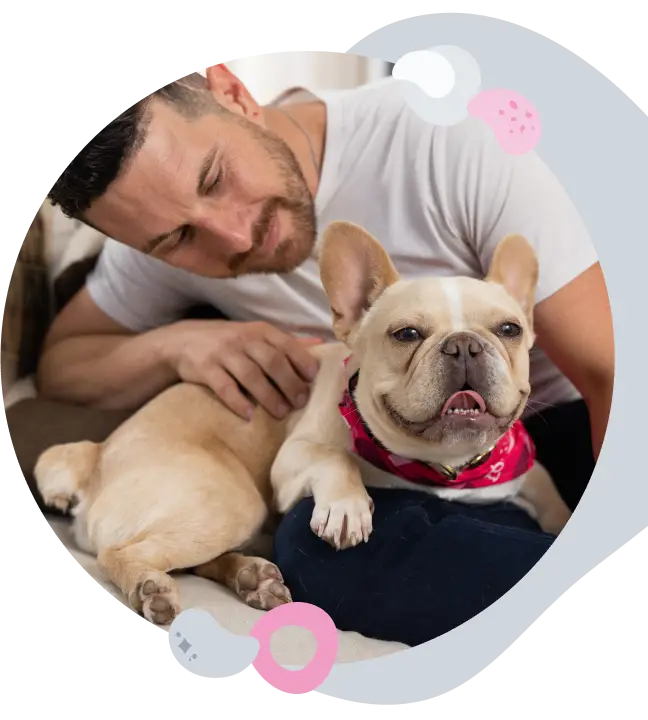
Traveling with an anxious dog can be challenging for both you and your pet, but understanding the factors that contribute to travel stress helps you build an environment that helps to improve a new environment and bring comfort for your dog.
Preparing Your Dog for Travel
Preparation for travel is an essential part of supporting a dog’s emotional and physical comfort during a trip. Familiarizing them with their travel gear, making the trip easy to get on board, and creating a safe, secure environment minimizes the stress of travel.
- Familiarization with Travel Gear: Introduce your dog to their carrier, crate, or other travel equipment well in advance.
- Consistent Routine with Travel Items: Let your dog spend time within the carrier or explore it gradually, making sure it is associated with positive experiences (i.e., rewarding activities).
- Practice Car Rides: If you’re traveling by car, take your dog on short practice trips before the big journey.
Strategies for Reducing Anxiety During Transit
During travel, your dog may experience anxiety due to the unfamiliar environment, especially for new or long journeys. Implementing coping strategies beforehand can significantly improve their experience.
- Creating a Secure Space: Whether in a car or plane, ensure your dog has a confined and secure area like a carrier or crate that they can access.
- Familiar Items: Bring familiar toys, bedding, and clothing that your dog finds comforting.
- Chew toys or lick mats: A chew toy helps to provide the dog with something to focus on and helps increase the feeling of comfort. A lick mat covered with peanut butter or wet food can also help in creating a sense of comfort and mental stimulation.
Equipment and Accessories to Consider
Investing in specific dog travel equipment can help provide a more comfortable and secure journey. The type of equipment depends on travel conditions.
- Travel Crates: Sturdy travel crates can help provide a safe and secure space for your dog.
- Car Harnesses and Seatbelts: Pet car harnesses or seatbelt systems help prevent your dog from becoming a projectile in case of sudden braking or collision.
- Comfort Products: Calming mats, bedding, and toys that can help your dog feel more relaxed and comforted.
The Role of Training in Managing Travel Anxiety
Training can be a transformative tool for managing travel anxiety in dogs. It helps them learn to associate travel-related stimuli with positive experiences, promoting a more relaxed journey.
Basic Obedience and Familiarization Techniques
Basic obedience training aids in controlling your pet during stressful transitions or changes.
- Sit, Stay, Come, and Down: These fundamentals help keep your dog calm and receptive to suggestions.
- Desensitization Techniques: The overall ability to train your dog to adapt to travel-related stimuli or conditions with familiar scents and sounds can improve their coping abilities and minimize stress.
Desensitization to Travel Experiences
When training a dog to adapt to travel-related triggers, desensitization works by slowly and gradually exposing the dog to these triggers in a controlled environment. This teaches the dog that travel-related stimuli don’t necessarily represent threats or discomfort.
- Creating a Positive Association: During desensitization training, it is important to create a safe and comfortable environment. Create a relaxed and calm setting, and use positive reinforcement techniques (positive words or treats) whenever the dog exhibits calm behavior around travel-related stimuli.
- Gradual Exposure: Slowly introduce your dog to specific aspects of travel, such as the sound of a car engine, the sights and smells of a car or plane, or the motion of a car/train.
Case Studies: Successful Travel Without Medication

Learning from experiences of other owners who have found ways to mitigate dog anxiety during travel can provide useful insights and inspire confidence in adopting alternative approaches.
Real-Life Examples from Pet Owners
There are many real-life examples of how pet owners have found natural, non-pharmaceutical solutions for anxiety and help to eliminate the requirement for sleeping pills for dogs for travel.
- The Dog with a Fear of Airports: Once a dog exhibiting severe anxiety around airport noises and settings was trained to associate travel with positive reinforcement and rewards; their anxiety quickly dissipated.
- The Dog Who Hated Car Trips: One case showed a dog consistently suffering from anxiety when they had to travel by car. However, after implementing a desensitization program centered around familiarizing the dog with car sounds and car trips in safe environments, the dog’s reaction toward car journeys significantly improved.
Lessons Learned from Traveling with an Anxious Dog
Observing and learning from the ways other pet owners navigate travel with dogs can help us find the right path to comfort and promote the safety of our dog.
- Patience Consistency: Positive reinforcement and patience are essential.
- Adapting to Each Dog’s Needs: Recognize that each dog has its own personality and reacts in different ways to new situations and environments.
Alternative Solutions for Stress-Free Travel
Rather than solely relying on sedation or sleeping pills for dogs for travel, consider a multitude of options to help your dog feel more relaxed and comfortable during transit.
Engaging Activities to Distract Dogs
Engaging activities during travel can help distract dogs from anxieties and keep them focused on positive experiences.
- Interactive Toys: Providing chew toys or toys with games embedded in them promotes focus and energy release.
- Training Games: Utilizing training techniques throughout the journey helps release mental and physical energy (i.e., teaching the dog new tricks or focusing on interactive exercises).
- Puzzle Toys: Puzzle or treat-dispensing toys offer a sense of fulfillment to a dog.
Incorporating Calming Music or Sounds
Some dogs find a sense of peace in calming music or white noise during anxious journeys. Music choices should play on calming and relaxed tunes. Other dogs react to certain types of music and can produce an increase in nervous energy when listening to something they do not enjoy, so care should always be taken.
Understanding Travel Regulations for Pets
When considering travel plans with your dog, it’s crucial to be aware of the regulations and guidelines set forth by airlines or transportation companies.
Airline Policies on Sedated Dogs
Most airlines have policies on sedating dogs for travel, many of which do not allow it due to the risks noted throughout this article.
Legal and Ethical Considerations
Several ethical considerations must be taken into account when considering sleeping pills for dogs for travel.
- Potential Animal Welfare Concerns: The potential side effects of sedatives or sleeping pills for dogs for travel on canine companions must be understood and managed with care. The potential for a medication not aligning with a dog’s needs can potentially cause harm, or distress to the dog.
- The Dog’s Natural Ability to Cope: Promoting the dog’s natural ability to cope with travel through alternative measures is often a preferable approach to manage anxiety whilst travelling.
Conclusion
Navigating the decision to use sleeping pills for dogs for travel requires a balanced and individualized approach that respects the emotional wellbeing, physical health, and individual sensitivities of your canine companions. While sedative options can provide relief in specific cases, it’s crucial to understand that they should be used cautiously and in consultation with a veterinarian. Exploring a wide array of natural remedies, utilizing training strategies, and creating a comfortable travel environment are all viable options and potentially safer than using sleeping pills for dogs for travel that can contribute to a comfortable and enjoyable travel experience for every dog. Ultimately, the goal is to create the best travel experience without unnecessarily sedating or traumatizing our beloved pets.
