
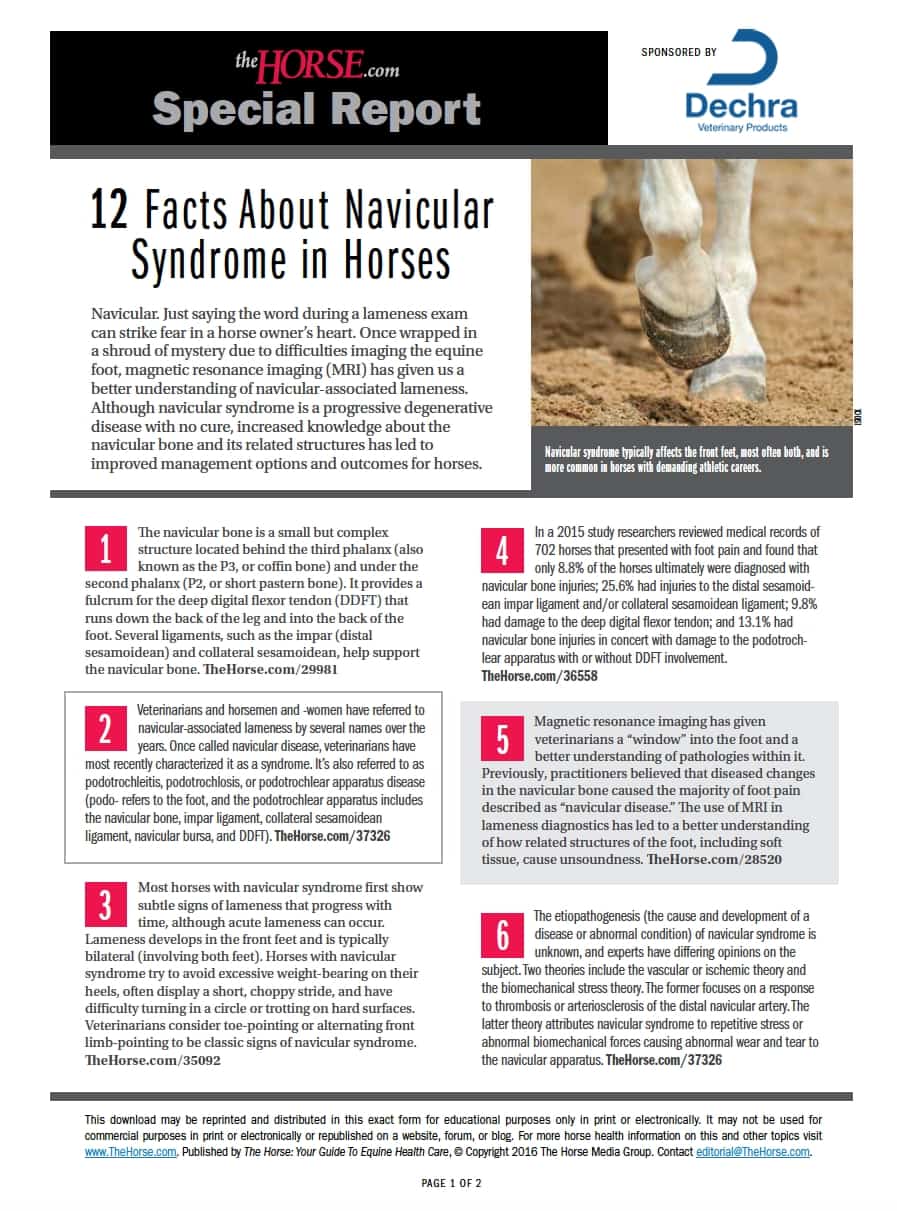
Navicular disease, a degenerative condition affecting the navicular bone and surrounding structures in a horse’s hoof, is a significant concern for horse owners and riders. While often associated with specific conformational traits, understanding the multifaceted nature of this ailment is crucial for effective management and prevention. This article delves into the causes, risk factors, and preventative strategies for navicular disease, aiming to provide valuable insights for equine health.
The Anatomy of the Hoof and Navicular Disease
The navicular bone, also known as the distal sesamoid bone, plays a vital role in the complex mechanics of the equine hoof. It sits behind the coffin bone (P3) and articulates with the deep digital flexor tendon (DDFT) and the coffin bone. This articulation allows the DDFT to “pull” the navicular bone, acting like a pulley to help extend the leg and absorb shock. Navicular disease involves the degeneration of this bone, often leading to inflammation and pain in the surrounding ligaments, tendons, and cartilage.
Identifying Horses at Risk
While the exact cause of navicular disease remains a subject of ongoing research, several factors are widely believed to contribute to its development.
Conformation and Bone Structure
Historically, horses with certain conformational traits have been considered more prone to navicular disease. These include:
- Small Feet: Horses with small, upright hooves, often described as having a “boxy” or “underrun” heel, may have a higher risk. Small-diameter legs can mean less room for ligaments and tendons, potentially leading to increased stress. While circumference isn’t always a direct indicator of bone density, it can be a contributing factor.
- Disproportionate Body Weight: Horses that are heavily muscled or overweight for their foot size may experience increased pressure on the navicular apparatus. This is particularly relevant in breeds known for heavy musculature but potentially finer lower leg structure.
- Overall Bone Structure: While specific bone dimensions are debated, a general assessment of bone proportion in relation to the horse’s body weight and athletic demands is important.
Workload and Training Regimen
The demands placed on a horse’s legs during training and competition are significant.
- Speed Work: Excessive speed work, especially introduced too early in a young horse’s career, can lead to conditions like bucked shins. This occurs when the stress of rapid remodeling outpaces the bone’s ability to adapt. A more gradual approach to speed training has been shown to reduce these issues.
- Intense Exercise: Any form of strenuous or repetitive exercise that places excessive stress on the lower leg structures can contribute to wear and tear on the navicular structures over time.
Other Contributing Factors
- Genetics: While not fully understood, there may be a genetic predisposition to developing navicular disease in certain bloodlines.
- Age: Navicular disease is most commonly diagnosed in horses between the ages of 8 and 12, suggesting a degenerative process that occurs over time.
- Hoof Imbalance: Improper hoof care and farriery can lead to imbalances within the hoof capsule, placing undue stress on the navicular bone and related structures.
Prevention and Management Strategies
While not all cases of navicular disease can be prevented, proactive measures can significantly reduce a horse’s risk and help manage the condition if it develops.
Professional Hoof Care
Regular and skilled farriery is paramount. A qualified farrier can:
- Maintain proper hoof balance.
- Address conformational weaknesses through trimming and shoeing.
- Implement therapeutic shoeing strategies designed to reduce pressure on the navicular structures.
Appropriate Training and Conditioning
- Gradual Progression: Introduce speed work and intense exercise gradually, allowing the horse’s skeletal system to adapt.
- Cross-Training: Varying the type of exercise can help distribute stress and prevent overuse injuries.
- Rest and Recovery: Adequate rest periods are essential for tissue repair and to prevent cumulative stress.
Nutrition
While no specific diet can prevent navicular disease, a balanced diet that supports overall skeletal health is important. Ensure the horse receives adequate vitamins and minerals. For horses diagnosed with navicular disease, specific joint supplements containing ingredients like glucosamine and chondroitin may be recommended by a veterinarian.
Early Detection and Veterinary Consultation
Be vigilant for signs of lameness, which may include:
- A tendency to “point” a foot.
- Shortened stride, particularly on the forehand.
- Intermittent lameness that worsens with work and improves with rest.
If you suspect your horse may have navicular disease, consult a veterinarian immediately. Early diagnosis and intervention can significantly improve the long-term prognosis. Treatment may involve pain management, therapeutic shoeing, joint injections, and long-term management strategies.
Conclusion
Navicular disease is a complex condition influenced by a combination of genetics, conformation, and environmental factors, primarily related to workload. By prioritizing consistent, professional hoof care, implementing sensible training regimens, and being attentive to early signs of lameness, owners can significantly contribute to their horse’s long-term hoof health and performance. Early veterinary consultation remains the cornerstone of effective management for this debilitating condition.
