
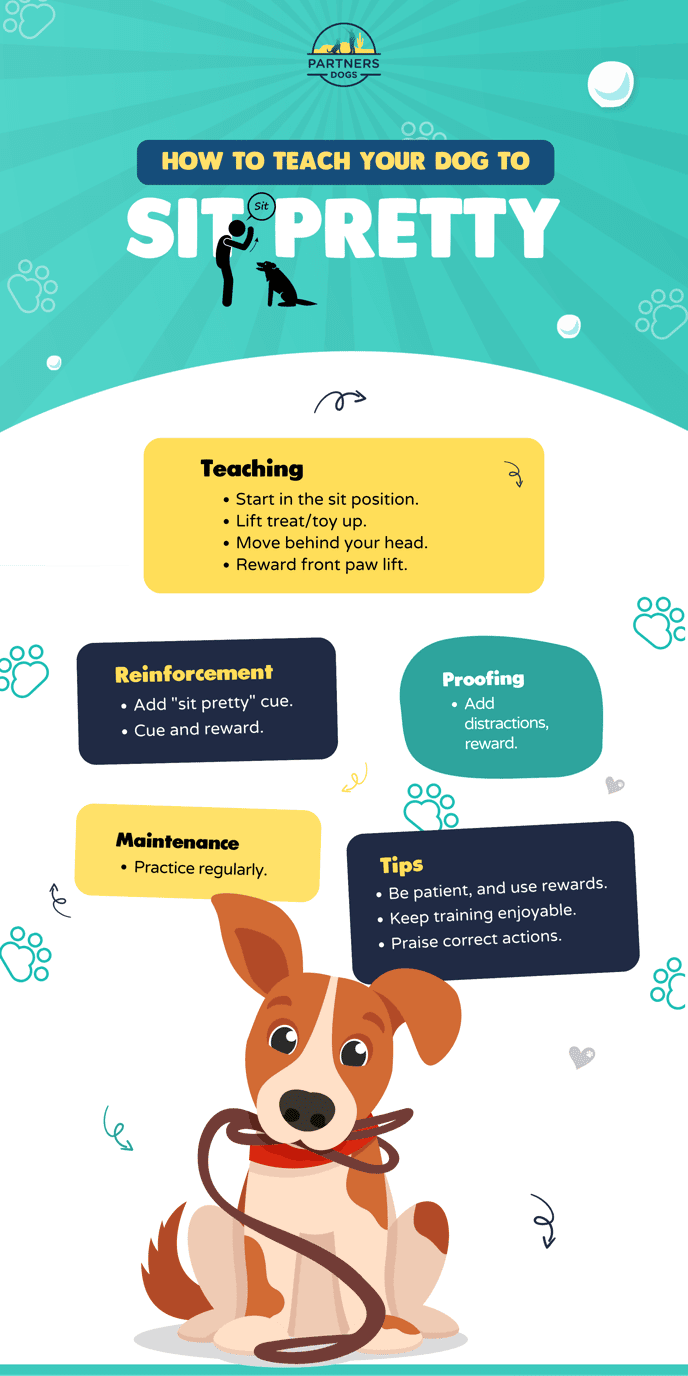
The “sit pretty” or “beg” command is an adorable and impressive trick that many dog owners want to teach their furry companions. It involves your dog balancing on their hind legs with their front paws in the air, resembling a begging posture. This not only looks cute but can also be a fun way to engage your dog mentally and physically. Training this trick requires patience, positive reinforcement, and a good understanding of your dog’s capabilities. This guide will walk you through the process, from initial steps to perfecting the command, ensuring your “Dog Care Story” is filled with rewarding training moments.
Understanding the “Sit Pretty” Command
Before diving into the training, it’s essential to understand what “sit pretty” entails and why it’s a valuable trick to teach. This command taps into a dog’s natural inclination to balance and can improve their core strength and proprioception. It’s a fantastic way to build a stronger bond between you and your dog, based on trust and clear communication. Remember, every dog learns at their own pace, so celebrating small victories is key.
Prerequisites for Training
Before you begin teaching “sit pretty,” ensure your dog has a solid understanding of the basic “sit” command. This is crucial because the “sit pretty” command builds upon the foundation of sitting. Additionally, your dog should be in good health, with no underlying joint or back issues that could be aggravated by this trick. If you have any concerns about your dog’s physical condition, consult with your veterinarian before starting training.
Step-by-Step Training Guide
Teaching “sit pretty” is best approached in small, manageable steps. We’ll use positive reinforcement, such as treats, praise, and toys, to reward your dog for every correct action.
Step 1: Luring into Position
- Start with a “Sit”: Ask your dog to sit.
- Hold a Treat: Take a high-value treat and hold it between your thumb and forefinger.
- Lure Upward: Bring the treat close to your dog’s nose. Slowly move the treat upwards and slightly back, over their head.
- Encourage Lifting: As the treat moves back, your dog’s natural instinct will be to lift their head and then their front paws to follow the treat. The moment their front paws lift off the ground, even slightly, praise them enthusiastically (“Yes!”, “Good boy/girl!”) and give them the treat.
- Short Sessions: Keep these initial sessions very short, just a few seconds at a time, to prevent fatigue and frustration. Repeat this several times in a training session.
Step 2: Gradually Increasing Duration
Once your dog is consistently lifting their paws when you lure them, you can start to increase the duration they hold the “sit pretty” position.
- Hold the Lure: Continue the luring motion as before.
- Slightly Longer Hold: When your dog lifts their paws, pause for a second or two before giving the treat. Gradually increase this pause as your dog becomes more comfortable.
- Reward for Stability: Reward them for maintaining the pose for longer periods. If they drop their paws, that’s okay; simply reset and try again, perhaps with a shorter duration.
Step 3: Fading the Lure
The next crucial step is to fade the lure so your dog learns to perform the trick without you holding a treat directly in front of them.
- Empty Hand Lure: Start by using an empty hand in the same luring motion you used with the treat. Praise and reward your dog with a treat from your other hand or pocket once they perform the action.
- Minimize Hand Motion: Gradually reduce the exaggerated hand motion. Eventually, you’ll only need a subtle upward flick of your hand or finger to cue the trick.
- Verbal Cue: As you fade the hand lure, begin introducing the verbal cue, such as “Sit Pretty” or “Beg.” Say the cue just before you give the hand signal.
Step 4: Adding the Verbal Cue and Hand Signal
This is where you solidify the command, making it reliable with just the verbal cue or a specific hand signal.
- Say the Cue First: Say “Sit Pretty” and then give your faded hand signal. Reward successful attempts.
- Practice with Only the Verbal Cue: Once your dog reliably responds to the verbal cue followed by the hand signal, try giving just the verbal cue. If they hesitate, give the hand signal.
- Practice with Only the Hand Signal: Try giving just the hand signal. If they don’t respond, give the verbal cue. The goal is for them to associate both with the action.
Step 5: Building Stamina and Proofing
As your dog gets better, you can work on increasing the amount of time they can hold the “sit pretty” position and ensure they can do it in different environments.
- Increase Duration: Continue to gradually increase the time your dog holds the pose. Aim for 10-15 seconds or longer.
- Vary Locations: Practice in different rooms of the house, in the yard, and eventually in public places (like a quiet park) to ensure they can perform the trick reliably regardless of distractions.
- Introduce Distractions: Gradually introduce mild distractions while practicing, always rewarding success.
Common Challenges and Solutions
- Dog won’t lift paws: Your dog might be hesitant or lack the core strength. Break it down further. Reward even the slightest lift. Ensure you’re using a high-value treat they are highly motivated by. Some dogs may need more conditioning for this specific movement.
- Dog drops paws too quickly: They may not be physically comfortable holding the position yet. Shorten the duration you expect them to hold it and reward them for even a brief moment. Gradually increase the time. Ensure the surface they are training on provides good grip.
- Dog lunges forward: You might be moving the lure too far forward. Try moving it more directly upwards and slightly backward. Make sure the treat is close enough to their nose to encourage them to follow it, not chase it.
- Dog seems scared or uncomfortable: Never force your dog. If they show signs of distress, stop the session and reassess. They may need more time to build confidence or might not be suited for this particular trick.
Tips for Success
- Keep it Positive: Always use positive reinforcement. Never punish your dog for not performing correctly. Training should be a fun bonding experience.
- High-Value Treats: Use treats that your dog absolutely loves. This is extra motivation.
- Short and Sweet Sessions: Keep training sessions short (5-10 minutes) and frequent, rather than one long, overwhelming session. End on a positive note.
- Patience is Key: Every dog learns at a different pace. Be patient and consistent.
- Consult Professionals: If you’re struggling, don’t hesitate to consult a professional dog trainer. Resources like dog training advice for beginners can also be helpful.
Advanced Variations and Next Steps
Once your dog has mastered the basic “sit pretty,” you can explore variations:
- Holding Longer: Increase the duration they hold the pose.
- “Sit Pretty” with a Toy: Have them hold the pose while you present a favorite toy.
- “Play Dead”: This trick builds on the “sit pretty” by having the dog lie down on their side from the beg position. You can find tips for training dog to play dead to explore this further.
Conclusion
Teaching your dog the “sit pretty” command is a rewarding experience that strengthens your bond and provides mental stimulation for your canine companion. By breaking down the process into small, manageable steps, using positive reinforcement, and maintaining patience, you can successfully teach this impressive trick. Remember, the journey of training is as important as the outcome. Cherish these moments and continue to build a deeper understanding and connection with your beloved dog, making every day a new chapter in your “Dog Care Story.” For more advanced commands and training techniques, explore resources on dog command words.
