
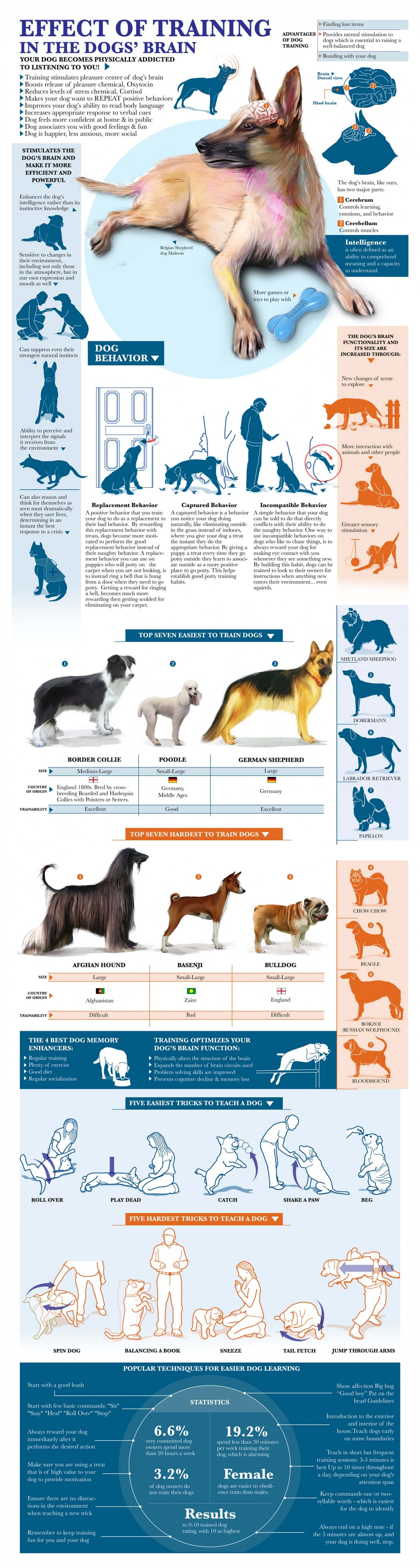
Mastering the art of communication with your canine companion is one of the most rewarding aspects of being a dog owner. The foundation of this communication often starts with three simple words: sit, now, and stay. Effective Sit Now Stay Dog Training is more than just teaching tricks; it’s about building a language of trust, safety, and mutual understanding between you and your furry friend. This guide will walk you through the essential steps to transform these basic commands into reliable behaviors, strengthening your bond and ensuring your dog’s safety in various situations.
For those looking for structured guidance, enrolling in dog training near me classes can provide a fantastic environment for both you and your pup to learn together.
The Cornerstone Command: Mastering “Sit”
Before you can get to “stay,” you must perfect the “sit.” This command is often the first one a puppy learns, and for a good reason. It’s a natural position for a dog and serves as a default polite behavior. A dog that can sit on cue is easier to manage, whether you’re putting on their leash, waiting to cross the street, or greeting guests at the door.
A Step-by-Step Guide to Teaching “Sit”
Teaching “sit” is usually straightforward and relies on positive reinforcement. You’ll need some high-value treats that your dog absolutely loves.
- Get Your Dog’s Attention: Stand in front of your dog in a quiet area with minimal distractions. Hold a treat near their nose.
- Lure the Position: Slowly move the treat from their nose up over their head, towards their ears. As their head goes up to follow the treat, their rear end will naturally lower into a sitting position.
- Mark and Reward: The instant their bottom touches the floor, say “Yes!” or use a clicker (if you’re clicker training) and immediately give them the treat.
- Add the Verbal Cue: Once your dog is reliably following the lure into a sit, you can start adding the word “Sit.” Say the word just as you begin the luring motion.
- Fade the Lure: Gradually, you’ll want to reduce your hand motion. Start by making the lure smaller and smaller until you can simply point or give the verbal “Sit” cue on its own.
Keep your training sessions short and fun, around 5-10 minutes each, a few times a day. Consistency is the key to success.
Common “Sit” Command Pitfalls to Avoid
Even with a simple command like “sit,” things can go slightly off track. Be mindful of these common mistakes:
- Repeating the Command: Don’t say “Sit, sit, sit.” Say it once, clearly. If your dog doesn’t respond, use the lure to help them, then reward. Repeating the command teaches them they don’t have to listen the first time.
- Pushing Your Dog’s Rear Down: Avoid physically forcing your dog into a sit. This can create a negative association with training and can even cause injury. Luring is a much more effective and positive method.
- Training in a Distracting Environment Too Soon: Master the “sit” in a quiet room before you start practicing at the park or with guests over.
The Art of Patience: Conquering “Stay”
Once your dog has a rock-solid “sit,” you can introduce the “stay.” This command is a test of impulse control and is crucial for safety. A reliable “stay” can prevent your dog from darting into a busy street or jumping on a visitor. Understanding how are therapy dogs trained often reveals that a foundational, reliable “stay” is one of the most critical skills they possess.
Building a Reliable “Stay” with the Three D’s
The secret to a powerful “stay” is to build it up slowly by adding the “Three D’s”: Duration, Distance, and Distraction. You must work on each one separately before combining them.
1. Duration (How Long)
Start by asking your dog to “sit.” Then, say “Stay” with a clear, open-hand gesture. Wait just one second, then return to your dog, give them a treat, and a release word like “Okay!” or “Free!” Gradually increase the time you ask them to hold the stay, from one second to three, then five, and so on. If they break the stay, don’t scold them. Simply guide them back into a sit and try again with a shorter duration.
2. Distance (How Far)
Once your dog can stay for about 15-20 seconds while you’re standing right next to them, you can start adding distance. Ask for a “sit-stay,” then take one small step back. Immediately step forward again, praise, and treat. Slowly increase the distance, one step at a time. The goal is to build up to a point where you can walk across the room or even briefly leave your dog’s line of sight.
3. Distractions (What’s Happening)
This is the most advanced part of sit now stay dog training. Once your dog can handle duration and distance, you can start adding mild distractions. This could be someone walking by at a distance, a toy rolling on the floor, or you clapping your hands. The key is to start with low-level distractions and gradually increase the intensity. For dogs with high prey drives or reactivity, this step can be particularly challenging and is sometimes an area where professional help, such as with aggressive dog training phoenix, can be beneficial.
Dr. Emily Carter, a certified animal behaviorist, states, “The ‘stay’ command isn’t about dominance; it’s about teaching impulse control. When a dog learns to wait patiently for a reward, they are building a crucial life skill that translates into better behavior in all aspects of their life.”
Bringing It All Together: The Sit-Stay Sequence
The ultimate goal is a seamless transition from “sit” to “stay” on your command. Practice the sequence regularly in different environments to generalize the behavior. A dog that can perform a sit-stay at home might find it much harder in a busy park. Start in your yard, then move to the sidewalk, then a quiet park, gradually increasing the level of environmental distractions. This process is a core component of many formal obedience programs, such as those you’d find in dog obedience training dallas tx.
Troubleshooting Common Training Issues
- My dog keeps breaking the “stay”! You’re likely moving too fast. Go back a step. If they break a 10-second stay, practice at 5-7 seconds until they are solid. If they break when you take two steps back, practice with one step.
- My dog gets up as soon as I reach for a treat. Reward them calmly. If you’re too excited, they’ll get excited too. Also, practice rewarding them at different intervals, so they don’t learn to anticipate the treat at a specific moment.
- My dog whines or barks during the “stay.” This is often a sign of frustration or impatience. Keep the sessions short and end on a positive note. Ensure they’ve had enough physical exercise and mental stimulation outside of training sessions. If you’re looking for more advanced engagement, exploring options like dog training fort myers could introduce you to new techniques.
Why Sit Now Stay Dog Training is Non-Negotiable
Beyond basic manners, sit now stay dog training is a fundamental aspect of responsible pet ownership. It’s a safety tool that gives you control in potentially dangerous situations. It builds your dog’s confidence by giving them a clear understanding of what’s expected of them. Most importantly, the time you invest in training is quality time that deepens the communication and respect between you and your dog, paving the way for a lifetime of happy companionship.
Frequently Asked Questions (FAQ)
Q1: At what age can I start sit now stay dog training with my puppy?
You can start teaching the “sit” command as early as 7-8 weeks old. For “stay,” you can introduce the very basic concepts (one-second duration) soon after, but keep in mind that puppies have very short attention spans, so keep sessions extremely short and positive.
Q2: What are the best treats to use for training?
The best treats are small, soft, smelly, and highly motivating for your specific dog. Small pieces of chicken, cheese, or commercial training treats work well. The goal is a quick, delicious reward that doesn’t take long to chew.
Q3: How long will it take to master these commands?
Every dog learns at a different pace. Consistency is more important than speed. A few positive 5-minute sessions every day will be more effective than one long, frustrating session once a week. “Sit” can often be learned in a few days, while a reliable “stay” with the Three D’s can take weeks or even months to perfect.
Q4: My dog knows “stay” but gets up when I leave the room. What should I do?
This is a very common issue. It means you’ve pushed the “distance” criteria too far, too fast. Go back to practicing the “stay” while you are still in the room, then work on just peeking your head out the door for a split second before returning to reward. Build this up very gradually.
Q5: Should I use punishment if my dog doesn’t listen?
No, modern, effective dog training is based on positive reinforcement. Punishing a dog for breaking a “stay” or not sitting immediately can create fear and anxiety, which hinders learning and can damage your relationship with your dog. Instead, focus on setting your dog up for success and rewarding the correct behavior.
