
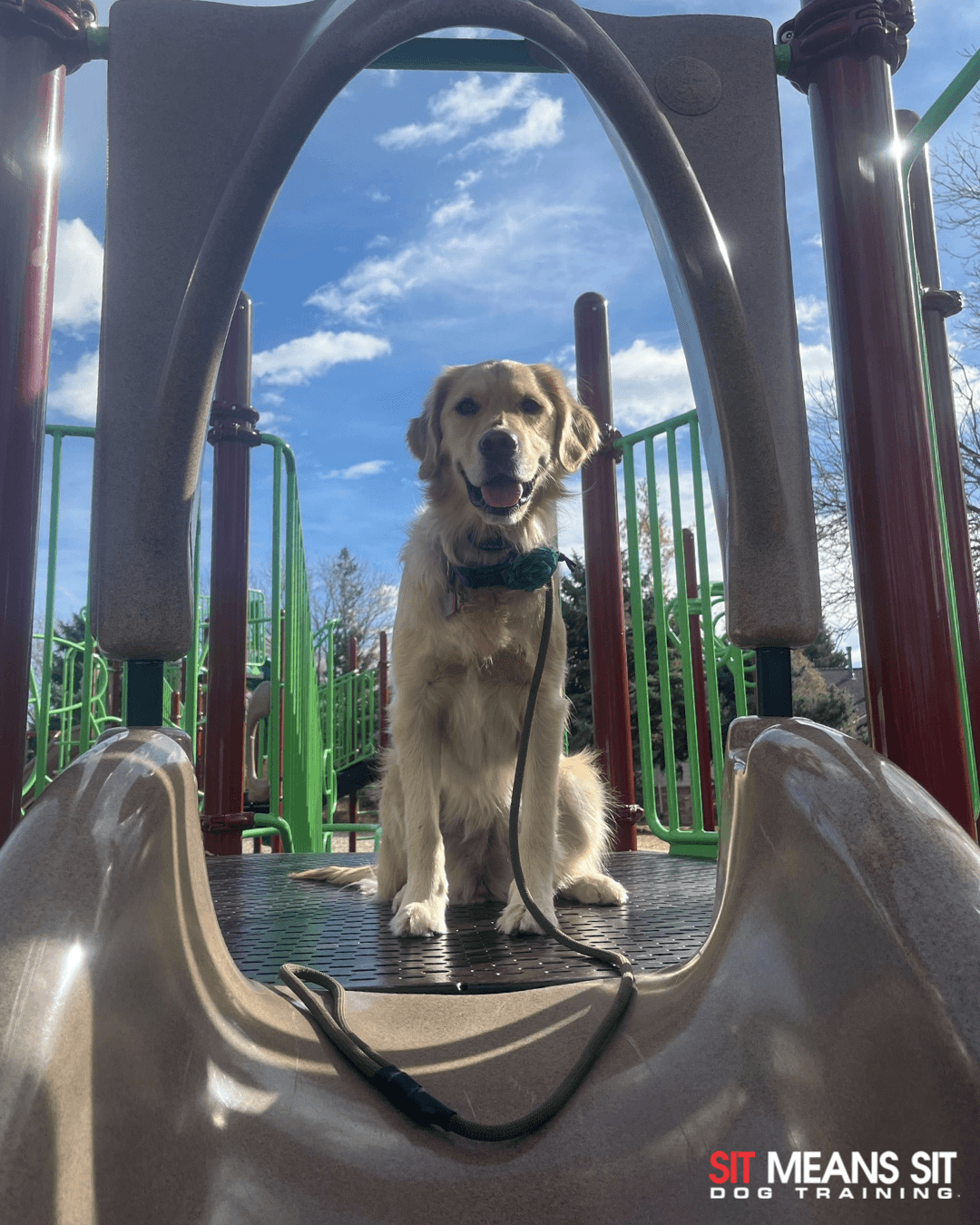
Embarking on the journey of dog ownership is incredibly rewarding, filled with unconditional love and boundless joy. However, it also comes with the responsibility of guiding your canine companion to become a well-behaved member of your family and society. This is where professional dog training becomes invaluable. If you’re searching for effective and engaging training methods, “Sit Means Sit” might be the answer you’ve been looking for. This comprehensive guide delves into the philosophy, techniques, and benefits of Sit Means Sit dog training, helping you understand how it can transform your relationship with your dog.
The Philosophy Behind Sit Means Sit
At its core, Sit Means Sit is built on a foundation of clear communication, positive reinforcement, and understanding canine behavior. The name itself, “Sit Means Sit,” emphasizes the importance of a reliable and immediate response to a command. It’s not just about a dog sitting when told; it’s about establishing a clear line of communication where the dog understands and respects the human’s direction.
The training methodology focuses on building a strong bond between the dog and owner, fostering trust and mutual respect. Unlike some traditional methods that rely heavily on punishment, Sit Means Sit prioritizes creating a positive learning environment. This approach encourages the dog to be enthusiastic about training and eager to please, rather than fearful of making mistakes. The trainers at Sit Means Sit believe that every dog, regardless of breed, age, or past experiences, has the potential to learn and thrive with the right guidance. They aim to help owners unlock this potential, creating dogs that are not only obedient but also confident and happy.
Key Training Techniques and Tools
Sit Means Sit utilizes a blend of established training principles, often incorporating a high-value slip lead as a primary tool. This tool is not intended for punishment but rather as a communication aid. When used correctly, the slip lead provides a gentle, yet firm, pressure that can immediately get a dog’s attention, reinforcing cues and commands more effectively.
The training program typically involves several phases:
1. Initial Consultation and Assessment
The process usually begins with a one-on-one consultation. A certified Sit Means Sit trainer will assess your dog’s temperament, behavior, and your specific training goals. This allows them to create a personalized training plan tailored to your dog’s unique needs. They’ll observe your dog’s responses to various stimuli and discuss any behavioral challenges you’re facing, such as leash reactivity, excessive barking, or house-soiling.
2. Foundational Obedience Commands
The cornerstone of the Sit Means Sit program is teaching essential obedience commands. This includes:
- Sit: The most fundamental command, used to gain attention and control.
- Stay: Teaching your dog to remain in a specific position until released.
- Come: A crucial command for safety, ensuring your dog returns to you when called.
- Down: Another position command that helps manage your dog’s energy and focus.
- Heel: Teaching your dog to walk calmly by your side without pulling.
These commands are taught using a combination of clear verbal cues, consistent hand signals, and positive reinforcement. The trainers emphasize building reliability, ensuring your dog responds promptly and accurately in various environments, not just at home. For owners looking for specific guidance on mastering these commands, resources on sit means sit dog training long beach can offer further insights.
3. Addressing Behavioral Issues
Beyond basic obedience, Sit Means Sit trainers are adept at addressing a wide range of behavioral problems. This can include:
- Leash Pulling: Teaching dogs to walk politely on a leash without tension.
- Jumping: Discouraging jumping on people or furniture.
- Barking: Managing and reducing excessive vocalization.
- Anxiety and Fear: Helping dogs cope with separation anxiety, noise phobias, and general nervousness.
- Aggression: Working with dogs exhibiting dog-to-dog or human aggression, always with a focus on safety and humane methods.
The trainers employ a systematic approach, identifying the root cause of the behavior and implementing targeted strategies. This might involve desensitization, counter-conditioning, or behavior modification techniques. Understanding the nuances of dog behavior is key, and trainers often explain why a dog might be exhibiting a certain behavior, helping owners develop empathy and a better approach.
4. Advanced Training and Specialization
For owners and dogs who have mastered the basics, Sit Means Sit also offers advanced training options. This can include off-leash training, agility, therapy dog training, or specialized trick training. These programs further strengthen the dog’s obedience, confidence, and the human-animal bond. The goal is to provide ongoing challenges and learning opportunities for both dog and owner.
The Importance of Owner Involvement
A critical aspect of the Sit Means Sit philosophy is the active involvement of the dog’s owner. The trainers don’t just train the dog; they train the owner. They equip you with the knowledge, tools, and confidence to continue the training at home and maintain the progress made during sessions. This collaborative approach ensures that the training is sustainable and that the positive changes in your dog’s behavior become a lasting part of your lives.
Owners are often encouraged to observe and participate in training sessions to better understand the techniques and how to apply them consistently. This hands-on involvement is crucial for building a strong leadership role and reinforcing the communication established by the trainer. Learning how to effectively communicate with your dog can be a deeply rewarding experience, and resources detailing how much is sit means sit dog training can help you budget for this valuable investment.
Benefits of Sit Means Sit Training
Investing in Sit Means Sit dog training offers a multitude of benefits:
- Improved Obedience: Dogs become more responsive to commands, leading to better manners in the home and in public.
- Enhanced Safety: A well-trained dog is a safer dog. Reliable recall and obedience commands can prevent accidents and dangerous situations.
- Stronger Bond: The training process fosters communication, trust, and a deeper connection between you and your dog.
- Reduced Stress: Less behavioral issues mean a more peaceful and enjoyable home environment for everyone.
- Increased Confidence: Both the dog and the owner gain confidence through successful training experiences. A confident dog is less likely to develop behavioral problems stemming from fear or insecurity.
- Socialization: Properly trained dogs are more comfortable and well-behaved around other people and animals, making social outings more pleasant.
Whether you’re looking for basic obedience or need help with complex behavioral issues, Sit Means Sit offers a structured and effective path to a better-behaved canine companion. For those specifically in the Modesto area, checking out sit means sit dog training – modesto can provide localized information. Similarly, exploring options like sally said so dog training can offer alternative perspectives on effective training methods.
Conclusion: Building a Better Future Together
The journey of training your dog is an ongoing adventure, and choosing the right approach can make all the difference. Sit Means Sit dog training offers a proven system that emphasizes clear communication, positive reinforcement, and owner participation. By understanding your dog’s needs and applying consistent, effective training techniques, you can unlock their full potential, leading to a harmonious and fulfilling relationship. Remember, a well-trained dog is not just a well-behaved pet; it’s a cherished member of the family, ready to share life’s adventures with you.
