
The thunder of hooves, the roar of the crowd, and the blur of vibrant color streaking past the finish line—this is the heart of horse racing. But amidst the speed and spectacle, it’s the bright, bold patterns on the jockeys that capture the eye. These are more than just uniforms; they are the iconic Silks In Horse Racing, a tradition steeped in history, identity, and the very spirit of the sport. From simple origins to modern-day masterpieces of design, silks tell the story of owners, stables, and the enduring legacy of the “Sport of Kings.”
This tradition of using colors to distinguish competitors is ancient, with roots stretching back to Roman chariot races where drivers wore colored capes for identification. For horse racing, the defining moment came in 1762 at Newmarket, England. As the sport’s popularity grew, so did the number of horses in each race, making it difficult for spectators and officials to tell them apart. To solve this, The English Jockey Club mandated that each owner must register a unique set of colors for their jacket and cap. This simple, practical solution gave birth to one of racing’s most cherished traditions. You can learn more about historic tracks and their traditions by exploring topics like horse racing at aqueduct.
Initially, these designs often mirrored the heraldry and coats of arms of the noble families who owned the horses, weaving a tapestry of lineage and prestige into the fabric of the sport. What began as a necessity for identification evolved into a powerful form of branding, instantly connecting a horse to its owner and stable.
What Exactly Are Silks in Horse Racing?
At its core, the term “silks” refers to the colorful tunic, or jacket, and helmet cover worn by a jockey during a race. Their primary purpose is to represent the horse’s owner. Just as a football team wears a uniform to show unity and affiliation, a jockey wears silks to signify which owner’s horse they are riding. This visual shorthand is crucial for race commentators, officials, and fans, allowing everyone to easily track the progress of each horse in the field.
While they are universally called “silks,” the material has evolved. Originally crafted from luxurious and lightweight silk fabric, modern racing silks are now typically made from more durable, aerodynamic materials like nylon or lycra. This shift reflects the sport’s embrace of technology to enhance performance without sacrificing tradition. The lightweight nature of these fabrics is critical, as a jockey’s weight is meticulously managed to ensure the horse carries as little extra burden as possible.
The complete set of silks consists of the jacket and the cap cover. If an owner enters more than one horse in a single race, the jockeys will wear the same jacket design but with different colored caps to distinguish them from one another. For owners who do not have their own registered silks, they can use “house silks,” which are standard designs provided by the racetrack itself.
A Colorful History: The Origins of Racing Silks
The story of racing silks is a journey from practicality to pageantry. Long before the formal decree of 1762, the idea of using colors for identification in contests was already well-established. From medieval knights carrying banners into jousts to the aforementioned Roman charioteers, colors have always been a way to declare allegiance and stand out in the heat of competition.
When The Jockey Club in England formalized the system, it laid the groundwork for a global tradition. The concept was simple yet revolutionary: create a registry of unique designs that would prevent any two owners from having the same colors on the track. This registry, now maintained by governing bodies like The Jockey Club in the United States and the British Horseracing Authority (BHA), has grown to include tens of thousands of unique designs.
“Racing silks are the heraldry of our sport,” notes Dr. Julian Ashford, a leading equine historian. “They are a visual language that communicates ownership, legacy, and ambition. A set of silks is not just worn; it’s carried into battle, representing the hopes and dreams of the entire stable.”
The designs themselves started with a limited palette of basic patterns—stripes, hoops, and simple blocks of color. Over time, the designs became more elaborate, incorporating symbols like stars, diamonds, chevrons, and crosses. These patterns became the visual signature of a stable, instantly recognizable to avid race fans. Understanding the pageantry behind the sport can make finding the perfect present easier, especially when considering gift ideas for horse racing fans.
The Anatomy of a Racing Silk: Design and Elements
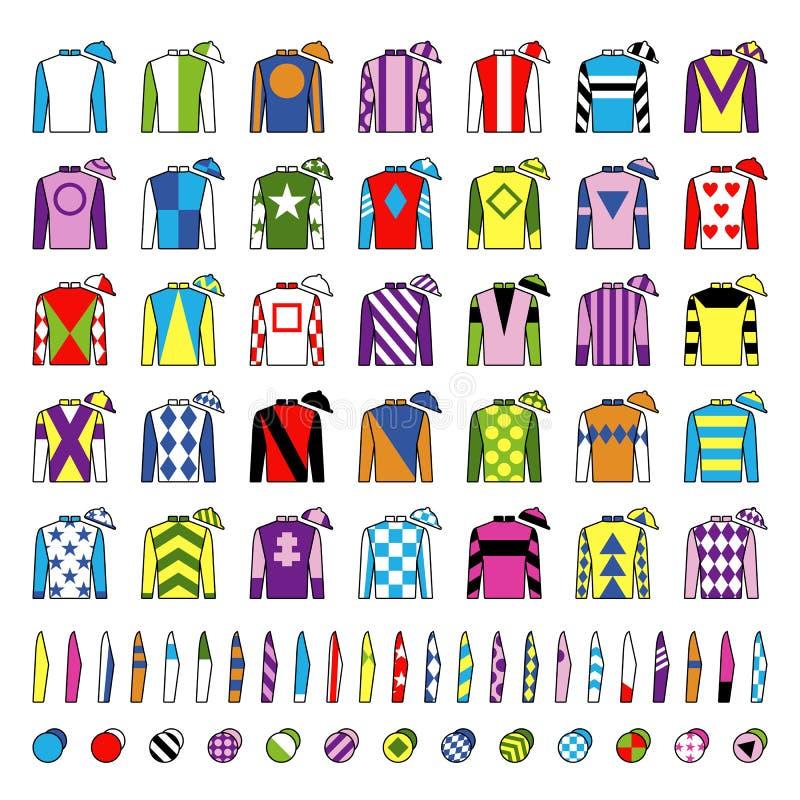
Creating a set of silks is an art form governed by specific rules. While creativity is encouraged, the design must be unique and easily describable for race callers and officials. A typical design is built from a combination of colors and patterns on the body of the jacket, the sleeves, and the cap.
Colors and Their Significance
The choice of color is often deeply personal to the owner. It might reflect national pride, a family tradition, or simply a favorite combination. Bold, contrasting colors are often favored for their high visibility, making it easier to spot a horse from the grandstands. While there are discussions in sports psychology about the impact of color on performance—with bright colors like red and yellow thought to convey energy—the primary driver in silk design remains identity and visibility.
Patterns and Symbols
The patterns available for use on silks are standardized by racing authorities to ensure clarity. Common designs include:
- Hoops: Horizontal bands of color on the body or sleeves.
- Chevrons: V-shaped patterns.
- Cross-Belts: Two diagonal sashes forming a cross.
- Diamonds: A pattern of diamond shapes.
- Stars: A classic and popular symbol.
- Checks: A checkerboard pattern.
These elements can be combined in countless ways across the jacket and sleeves to create a one-of-a-kind design. The goal is to create something memorable that stands out, much like the iconic uniforms of other sports. The design process is similar in some ways to selecting stylish yet functional accessories like horse racing jockey hats.
How Are Jockey Silks Designed and Registered?
For a horse owner, designing and registering their silks is a significant and exciting milestone. It solidifies their identity within the racing community. The process is managed by the principal horse racing authority in each country or region.
The Registration Process
- Design Submission: An owner first creates a design, selecting from a list of approved colors and patterns for the jacket, sleeves, and cap. Many racing authorities offer online tools to help owners visualize and create their unique combinations.
- Uniqueness Check: The submitted design is then checked against the existing registry to ensure it is not a duplicate or too similar to another owner’s silks. This is the most critical step, as the entire system relies on each set of colors being unique.
- Approval and Registration: Once approved, the design is officially registered to the owner. This registration grants them the exclusive right to use those silks in races. Registrations typically require periodic renewal to remain active.
While traditional patterns are the norm, some jurisdictions, like the BHA in the UK, have begun allowing “bespoke” designs for a premium fee, opening the door for more modern or branded logos, provided they remain distinguishable.
Famous and Iconic Silks in Horse Racing History
Over the centuries, certain silks have become legendary, synonymous with champion horses and powerhouse stables. These colors are instantly recognized by fans around the world and evoke memories of thrilling victories.
- Godolphin Racing: The solid “Godolphin Blue” silks of Sheikh Mohammed bin Rashid Al Maktoum are a global symbol of excellence, carried to victory by countless champions.
- Juddmonte Farms: The simple yet elegant green, pink sash, and white sleeves of the late Prince Khalid Abdullah are forever linked to legends like Frankel and Arrogate.
- Coolmore Stud: The navy blue silks of the Coolmore partnership (or the orange and blue of Michael Tabor) are a dominant presence in classic races across Europe and North America.
- Her Majesty Queen Elizabeth II: The iconic purple body with gold braid, scarlet sleeves, and black velvet cap with a gold fringe were a beloved and instantly recognizable sight on British racecourses for decades.
These silks represent more than just ownership; they are dynasties. Seeing those colors on the track signifies a standard of quality and a deep connection to the history of the sport, particularly for famous events where you see top horses racing in the derby.
 A jockey wearing vibrant red and white silks in horse racing, captured mid-race with a focused expression.
Frequently Asked Questions (FAQ)
What is the purpose of silks in horse racing?
The primary purpose of silks is to identify the owner of the horse during a race. The unique colors and patterns allow race callers, officials, and spectators to easily distinguish between the different horses in the field.
Are racing silks still made of silk?
While they are still called “silks,” they are no longer made from actual silk fabric. Modern jockey silks are made from lightweight, durable, and more aerodynamic materials such as nylon, lycra, or polyester satin.
Who designs the silks?
The horse’s owner is responsible for designing and registering the silks. They choose the colors and patterns, which are then submitted to the regional racing authority for approval to ensure they are unique.
Can two jockeys wear the same silks in a race?
No two owners can have the same registered silks. However, if an owner has more than one horse running in the same race, the jockeys will wear the same jacket design but with different colored caps for differentiation.
What are “house silks”?
House silks are a standard set of racing silks owned by a racetrack. They are used by jockeys whose horse owners do not have their own registered silks.
Why do some silks have logos or non-traditional designs?
Some racing jurisdictions have started to allow “bespoke” or custom designs that can include company logos or more creative patterns. These are typically registered at a higher fee and must still be approved for clarity and distinguishability.
How much does it cost to register silks?
The cost of registering silks varies by racing authority but typically involves an initial registration fee and an annual or multi-year renewal fee to keep the design exclusive to the owner.
From their practical beginnings to their status as iconic symbols of pride and prestige, silks in horse racing are a fundamental part of the sport’s fabric. They are a vibrant link to a rich history and a testament to the passion of the owners who dedicate themselves to the pursuit of victory. The next time you watch a race, take a moment to appreciate the kaleidoscope of color—each set of silks is a story, a legacy, and a dream, all racing toward the finish line. This unique aspect of the sport is cherished by fans everywhere, including those interested in horse back racing toronto.
