
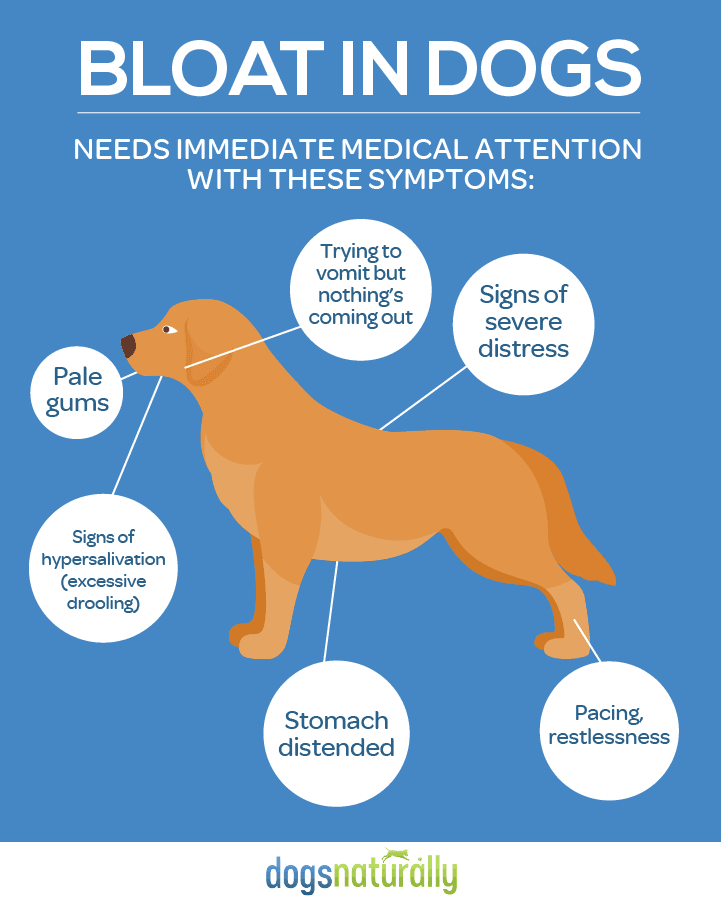
Bloat, a severe and potentially fatal condition in dogs, requires immediate attention from pet owners. Recognizing the signs and understanding the risks associated with gastric dilatation-volvulus (GDV) is crucial for ensuring your dog’s well-being. This article will delve into what bloat is, its symptoms, and the necessary treatment protocols.
What Exactly Is Bloat or GDV?
Bloat, medically known as gastric dilatation-volvulus (GDV), is a critical stomach ailment. In essence, a dog’s stomach twists. The condition begins with gastric dilation, where the stomach abnormally expands due to an excessive accumulation of gas, food, or fluid. This expansion occurs when the stomach stretches beyond its normal capacity. Subsequently, this can lead to the stomach twisting out of its usual position.
If bloat advances, it progresses to the volvulus stage. In this phase, the twisted stomach is unable to release the trapped excess gas, food, or fluids, leading to dangerously high internal pressure. This pressure can compromise blood flow to the stomach, resulting in tissue damage. Furthermore, it impedes the return of blood from the body to the heart. Without normal blood circulation, a dog can enter shock and, tragically, die. A twisted stomach can also affect blood supply to other vital organs like the spleen and pancreas. Insufficient oxygen to the pancreas can trigger the release of toxic hormones, potentially leading to cardiac arrest.
While certain breeds, particularly large, deep-chested dogs, are at a higher predisposition for bloat, any dog can be affected. The exact causes are not always clear, but factors like rapid eating and drinking, followed by immediate exercise, can contribute. Older and overweight dogs may also be more susceptible. A family history of bloat increases a dog’s risk. Anxious dogs are more prone to this condition than calm ones. Intact (non-neutered) male dogs also face a higher risk compared to females. Feeding your pet a single large meal daily might increase their risk; therefore, feeding two to three smaller meals is generally recommended.
Recognizing the Symptoms of Bloat
A primary indicator of potential bloat is a noticeable change in your dog’s behavior. They might exhibit restlessness and an inability to settle, or conversely, display unusual lethargy. Pacing is also a common sign. If your dog attempts to sit or lie down, they may appear uncomfortable. You might observe that your dog’s abdomen appears distended and may feel firm to the touch. Your pet might react with pain if the abdominal area is palpated. Excessive drooling and attempts to vomit are also characteristic symptoms. However, the dog will be unable to actually vomit. They will likely retch or have “dry heaves.” The stomach’s twisted position prevents expulsion, so if you witness these signs, seek immediate veterinary attention on an emergency basis. As bloat progresses, your dog may show signs of shock, including rapid, shallow breathing and a slowing pulse.
Treatment and Prevention of Bloat
Prompt veterinary intervention is critical for improving the outcome if your dog develops bloat. In some instances, your veterinarian can relieve pressure by removing some of the stomach’s contents. They may also be able to manually reposition the stomach before severe damage occurs.
Surgery is often necessary for severe cases of bloat. In addition to correcting the stomach’s position, your veterinarian may need to remove damaged tissue and potentially part or all of the spleen. Following surgery, your pet will require several days of intensive post-operative care.
If your veterinarian identifies a specific cause for the bloat, they can advise on measures to reduce the recurrence risk. This might involve dietary changes or modifications to how your dog eats and drinks. A preventative surgery, known as a gastropexy, can also be performed to anchor the stomach and prevent twisting. This procedure is often combined with spaying or neutering to minimize the number of surgeries your pet undergoes.
If your dog exhibits symptoms of bloat, it is imperative to seek emergency veterinary care without delay, as any postponement can be life-threatening. For rapid diagnosis and treatment, contact 1st Pet Veterinary Centers.
