
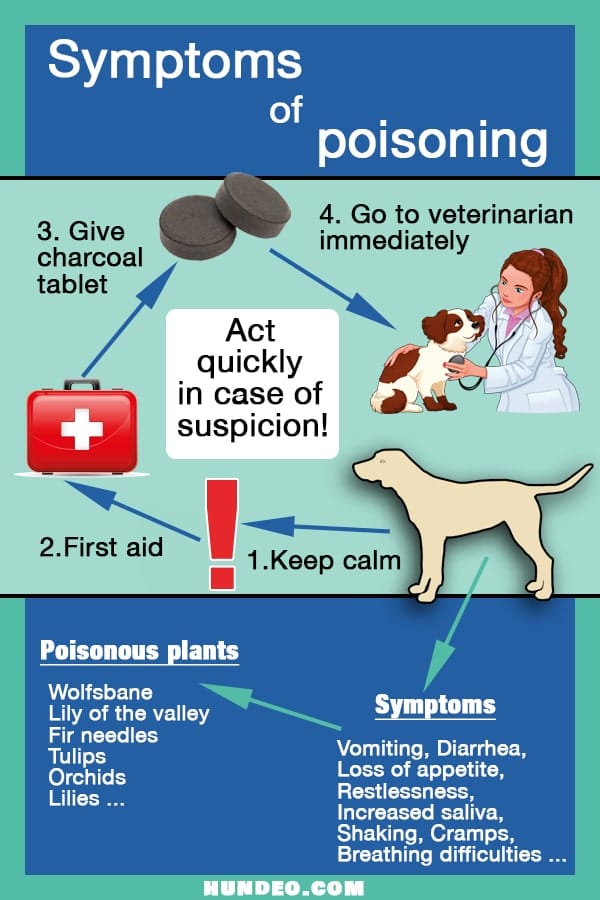
The transition from a healthy pet to a critically ill one can happen alarmingly fast for dogs, especially after exposure to toxic substances. Swiftly identifying these poisoning symptoms is crucial, potentially transforming a dire emergency into a manageable situation with prompt veterinary intervention. If your dog suddenly displays unusual signs such as excessive salivation, vomiting, or altered behavior, poisoning is a critical possibility that demands immediate attention.
Frequently Asked Questions About Initial Poisoning Symptoms
Understanding Immediate Danger Signs
Certain symptoms in dogs signal an urgent need for emergency veterinary care. These critical indicators include collapse, seizures, profuse drooling, significant breathing difficulties, and severe vomiting or diarrhea. If your dog exhibits any of these alarming signs, it suggests a potential poisoning incident requiring immediate contact with a veterinary clinic.
Symptoms Requiring Urgent Veterinary Attention
Symptoms that necessitate immediate veterinary assessment include persistent vomiting, diarrhea containing blood, muscle tremors, drastic behavioral changes, extreme lethargy, and pale or bluish gums. Other critical signs are rapid breathing, intense thirst, or a noticeable loss of coordination. The severity and combination of these symptoms are key factors in determining the urgency of medical attention required.
Differentiating Poisoning from Other Illnesses
While some illnesses, such as infections or kidney disease, can present symptoms similar to poisoning, it is paramount to consider poisoning if there is any chance your dog has been exposed to a toxic substance. The safest approach is to treat it as a potential poisoning until a veterinarian can definitively diagnose the cause through appropriate testing.
Common Causes of Dog Poisoning
Dogs are vulnerable to poisoning from a wide array of everyday household items. This includes common cleaning products, human medications, certain human foods that are toxic to dogs, houseplants, and garden chemicals. Their innate curiosity and tendency to explore their environment with their mouths place them at considerable risk. Poisoning can also occur through direct skin contact with hazardous substances or by inhaling toxic fumes.
Identifying Mild Poisoning Indicators
The initial signs of poisoning in dogs can be subtle, often manifesting as mild vomiting, increased drooling, or a slight decrease in energy levels. Your dog might also display a reduced appetite, mild diarrhea, or simply seem generally unwell. Even these seemingly minor changes should prompt a call to your veterinarian, as mild symptoms can escalate rapidly into more severe conditions.
Recognizing Severe Poisoning Symptoms
Severe poisoning is characterized by intense, unrelenting vomiting or diarrhea, severe difficulty breathing, seizures, or complete collapse. Significant changes in gum color (appearing very pale, blue-tinged, or unusually bright red), excessive salivation, or marked alterations in behavior are also serious indicators. Tremors, profound weakness, disorientation, or an inability to stand necessitate immediate emergency veterinary care.
Immediate Steps to Take
Step 1: Safely Remove Your Dog from the Source
If you suspect your dog has come into contact with a poisonous substance, carefully move them away from the contaminated area. It is vital to avoid direct contact with any suspicious materials using bare hands. If it is safe to do so, try to identify the substance your dog may have ingested, but do not put yourself in harm’s way to obtain this information.
Step 2: Observe for Critical Warning Signs
Closely monitor your dog for symptoms such as vomiting, excessive drooling, tremors, or unusual breathing patterns. Pay attention to any changes in gum color, coordination difficulties, or erratic behavior. Documenting the onset and progression of these symptoms is also important.
Step 3: Contact a Veterinary Professional
Contact a veterinary clinic or animal poison control center immediately, regardless of whether the symptoms appear mild. Clearly explain the suspected incident and detail all observed symptoms. If you have identified the ingested substance, provide this crucial information. Inquire about whether immediate transport to the clinic is necessary or if any at-home first aid measures are recommended.
Step 4: Adhere Strictly to Veterinary Instructions
It is imperative to follow the veterinarian’s instructions precisely. If you are advised to bring your dog to the clinic, do so without delay. In cases of acute vomiting, withhold food and offer only small sips of water as directed by the vet. For guidance on reintroducing normal feeding and hydration, always consult your veterinary clinic first.
Potentially Fatal Conditions from Ingestion
Antifreeze and Rodenticide Exposure Dangers
Antifreeze poisoning often begins with symptoms like staggering, excessive thirst, and vomiting. Ingesting rodenticides (rat poison) can lead to severe internal bleeding, presenting as weakness, pale gums, and labored breathing. Both of these toxins are life-threatening and require immediate treatment. Suspected exposure to either substance warrants an instant call to a veterinary clinic.
Risks Associated with Chocolate and Caffeine
Consumption of chocolate and caffeine can induce hyperactivity, an elevated heart rate, tremors, and seizures in dogs. The darker the chocolate, the higher the concentration of toxic theobromine. The severity of the reaction is directly related to the dog’s size and the quantity consumed. Even small amounts of baking chocolate or cocoa powder can be extremely dangerous for smaller breeds.
Providing Support Before Veterinary Arrival
Administering Small Quantities of Water
Vomiting can lead to dehydration in dogs. If advised by your veterinarian, you may offer small sips of water. It is important not to allow your dog to drink large volumes at once, as this could trigger further vomiting. Always seek veterinary guidance regarding appropriate water intake for your pet.
Monitoring for Neurological Symptoms
Carefully observe your dog for any changes in their coordination, level of alertness, or muscle control. Note any signs of confusion, difficulty walking, or involuntary muscle tremors. These neurological changes can indicate that the toxin is affecting the central nervous system and requires urgent veterinary attention.
Strategies for Preventing Future Poisonings
Securing Your Home Environment
Ensure all medications, household cleaning supplies, and chemicals are stored securely in cabinets or areas inaccessible to your dog. Keep toxic human foods, including chocolate, grapes, raisins, xylitol, and onions, well out of reach. Use trash cans with locking lids to prevent your dog from scavenging through garbage.
Inspecting Your Yard and Garden
Remove toxic plants such as lilies, azaleas, and sago palms from areas your dog frequents. Store fertilizers, insecticides, and rodent baits in locked containers or secure storage. Regularly inspect your yard for wild mushrooms, which can be particularly dangerous to dogs, especially after periods of rain.
Our Commitment to Your Pet’s Well-being
For dogs exhibiting mild symptoms like occasional vomiting or a slight dip in energy, contacting your regular veterinarian for advice is recommended. However, if your dog displays severe or rapidly deteriorating signs—including repeated vomiting, seizures, collapse, or difficulty breathing—it is crucial to seek immediate assistance from an emergency veterinary clinic. Our specialized hospitals are fully equipped to manage poisoning cases with advanced and comprehensive care options. The benefit of specialty and emergency care ensures your dog receives state-of-the-art treatment when critically needed. When in doubt, please do not hesitate to call us; we are here to guide you through the situation.
Essential Takeaways
- Quickly recognizing the signs of poisoning in dogs is paramount for their survival. Common symptoms include vomiting, diarrhea, excessive drooling, tremors, and notable changes in behavior or energy levels.
- Always store potential toxins, such as medications, chemicals, certain foods, and toxic plants, securely away from your inquisitive pet.
- Trust your intuition as a devoted pet owner. If you observe any concerning changes in your dog’s health, seeking professional veterinary advice is always the most responsible course of action.
