
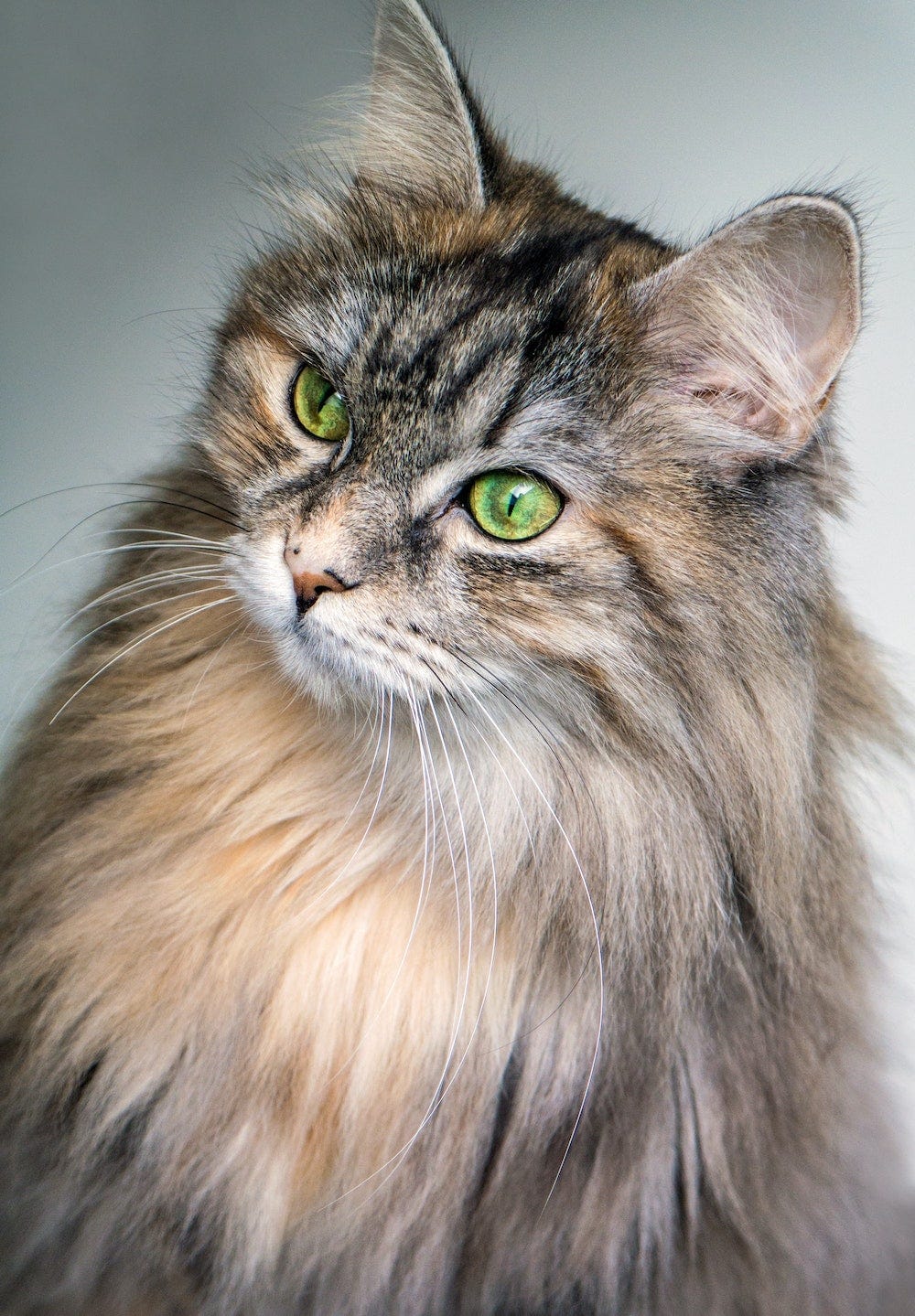
The Siberian cat is a breed steeped in history and legend, originating from the cold, rugged regions of Russia. These magnificent felines are known for their luxurious triple coats, powerful build, and remarkably affectionate personalities. Far from being aloof, Siberians are outgoing, intelligent, and form strong bonds with their human families, often being described as dog-like in their devotion. Their unique adaptation to harsh climates has endowed them with a distinctive appearance and a resilience that makes them captivating companions. For those seeking a loyal, playful, and beautiful feline friend, the Siberian cat may be the perfect choice. Many allergy sufferers also find that they can coexist happily with these cats due to a lower production of the Fel d 1 protein.
Siberian Cat Characteristics
Siberian cats are renowned for their engaging personalities. They are highly intelligent, curious, and possess an innate playful spirit that often lasts well into adulthood. Unlike some cat breeds that prefer solitary activities, Siberians thrive on interaction and are known to get along well with children and other pets, including dogs, when properly introduced. Their adventurous nature means they love to climb and explore, making high perches and cat trees essential elements in their environment. This breed also has a unique affinity for water, which is unusual among felines.
- Affection Level: High
- Friendliness: High
- Kid-Friendly: High
- Pet-Friendly: High
- Exercise Needs: Medium
- Playfulness: High
- Energy Level: Medium
- Intelligence: High
- Tendency to Vocalize: Low
- Amount of Shedding: Medium
This breed typically matures slowly, taking up to five years to reach full physical and behavioral maturity. This extended kitten-like phase contributes to their endearing and sometimes goofy antics throughout their lives. Many individuals who experience cat allergies find that Siberian cats are a viable option for companionship. While no cat is truly 100% hypoallergenic, Siberians often produce lower levels of Fel d 1, the primary protein responsible for allergic reactions in humans.
History of the Siberian Cat
The Siberian cat is one of the oldest natural breeds, originating in Russia and cherished for centuries. While precise historical records are scarce, their presence is woven into Russian folklore, appearing in ancient fairy tales and children’s stories. They were likely developed as hardy domestic cats capable of surviving the harsh Russian winters, honing their hunting skills in the vast forests.
The breed gained wider recognition outside of Russia relatively recently. Early descriptions of Siberian cats can be found in cat literature from the late 19th century, such as Harrison Weir’s “Our Cats and All About Them” (1889). However, it wasn’t until the 1990s, following the thawing of the Cold War, that Siberian cats began to be imported to the United States and gain popularity in the West. Today, the Siberian cat is recognized by major cat fancier associations, including The Cat Fanciers’ Association (CFA) and The International Cat Association (TICA). Exploring different types of Russian breed cat can offer a fascinating glimpse into feline history.
Siberian Cat Care
Caring for a Siberian cat involves attention to their grooming needs, ensuring they have adequate opportunities for exercise and mental stimulation, and maintaining their health. Their luxurious coat, while beautiful, does require consistent grooming.
Exercise and Play
Siberians are active and athletic cats, thanks to their powerful hind legs that enable impressive leaps. To keep them happy and healthy, provide plenty of opportunities for play and exploration. Cat trees, sturdy scratching posts, and interactive toys are essential. Wand toys are excellent for engaging them in active play sessions, which also serve as valuable bonding time. Puzzle feeders can also provide mental stimulation and challenge their intelligence.
Grooming
The Siberian cat’s defining feature is its dense, triple-layered coat designed for insulation. While this coat is relatively resistant to matting compared to some other long-haired breeds, it still requires regular grooming. Aim to brush your Siberian cat at least a few times a week to remove loose fur, prevent tangles, and distribute natural oils. During shedding seasons, which typically occur in spring and fall, you may need to increase brushing frequency. Occasional baths can also be beneficial, helping to remove excess dander and loose hair, and surprisingly, many Siberians tolerate or even enjoy water.
Regular nail trimming is also part of their care routine. Provide ample scratching posts to help maintain nail health and satisfy their natural urge to scratch.
Dental and Ear Care
As with all cats, maintaining good dental hygiene is crucial for Siberian cats. Brushing their teeth several times a week with a cat-specific toothpaste and toothbrush can help prevent dental disease. Regularly inspect your cat’s ears for dirt and debris. If the ears appear dirty, clean them gently with a veterinarian-approved ear cleaner. Never insert cotton swabs or any objects deep into the ear canal. If you notice redness or excessive discharge, consult your veterinarian.
Common Health Problems
While generally a robust breed, Siberian cats can be predisposed to certain genetic health conditions. Responsible breeders screen their cats for these issues to minimize the risk of passing them on to future generations.
- Hypertrophic Cardiomyopathy (HCM): This is a common heart condition in cats where the heart muscle thickens, potentially leading to heart failure. Genetic mutations have been identified in some Siberian cats with HCM.
- Erythrocyte Pyruvate Kinase Deficiency: This inherited condition causes intermittent anemia, characterized by symptoms such as jaundice, lethargy, weight loss, and abdominal enlargement.
- Polycystic Kidney Disease (PKD): An inherited, incurable disease that causes cysts to form on the kidneys, impairing their function. Symptoms can include nausea, vomiting, increased thirst and urination, and loss of appetite.
Regular veterinary check-ups are essential for early detection and management of any potential health issues.
Appearance
The Siberian cat possesses a striking appearance, characterized by its modified wedge-shaped head with soft contours, medium-sized muzzle, and large, expressive eyes that are often described as round. Their eyes can come in various colors, including green, gold, copper, and green-gold. White Siberians may have blue or odd eyes.
Their most notable feature is their magnificent triple coat, which provides excellent insulation. This coat consists of a short, dense undercoat, a medium layer of awn hair, and a longer, water-repellent outer coat of guard hairs. The coat can appear in any color or pattern, with or without white markings. Siberians are solid, muscular cats, with slightly longer hind legs that contribute to their powerful jumping ability. Their sturdy build and thick fur give them a majestic and somewhat wild appearance. If you appreciate these luxurious coats, you might also be interested in fluffy cat breeds.
Diet and Nutrition
Choosing the right diet for your Siberian cat is crucial for their overall health and well-being. It’s always best to consult with your veterinarian to determine the most appropriate food plan for your individual cat, considering their age, activity level, and any specific health needs.
Ensure that fresh, clean water is always available. While dry kibble is convenient, wet or canned food is often recommended as it contains more moisture, which is beneficial for feline hydration. Many cats do not drink enough water on their own, and insufficient hydration can lead to health issues, particularly affecting kidney function.
Feed your Siberian cat measured portions at scheduled times, typically two to three times a day. Avoid free-feeding (leaving food out all day), as this can contribute to overeating and obesity. A balanced diet rich in protein is essential for maintaining their muscle mass and energy levels.
Where to Adopt or Buy a Siberian Cat
Siberian cats are a rare and sought-after breed, which can make them more expensive than other domestic cats. Kittens from reputable breeders can range significantly in price, sometimes reaching up to $4,000. When looking for a Siberian cat, it is paramount to research breeders thoroughly. Ensure they prioritize the health and well-being of their cats, conduct necessary genetic health screenings, and can provide health clearances for the kitten’s parents. Resources like The International Cat Association (TICA) and The Cat Fanciers’ Association (CFA) often have breeder directories that can be a starting point for your search.
Adopting a Siberian cat from a rescue organization or shelter is another wonderful option. While breed-specific rescues may exist, you might also find Siberian cats or Siberian mixes in local animal shelters. Websites like Petfinder and Adopt a Pet can help you locate adoptable cats in your area. For those interested in a specific lineage, exploring breeds like the siberien neva masquerade can provide more specialized options. While Siberians can adapt well to indoor living, they require enrichment to thrive; for insights, consider looking into the best indoor cat breeds.
Conclusion
The Siberian cat is a truly remarkable breed, offering a blend of majestic beauty, affectionate companionship, and playful charm. Their resilience, intelligence, and tendency to be well-tolerated by some allergy sufferers make them a unique and rewarding pet for many households. While their luxurious coat requires consistent grooming and their athletic nature demands an enriching environment, the deep bonds they form with their families are a testament to their loving disposition. Whether you are drawn to their folklore-rich history or their engaging personality, the Siberian cat stands out as a devoted and enchanting member of the feline world. For those considering bringing one of these wonderful cats into their lives, thorough research and a commitment to their specific care needs will ensure a harmonious and fulfilling relationship for years to come.
