
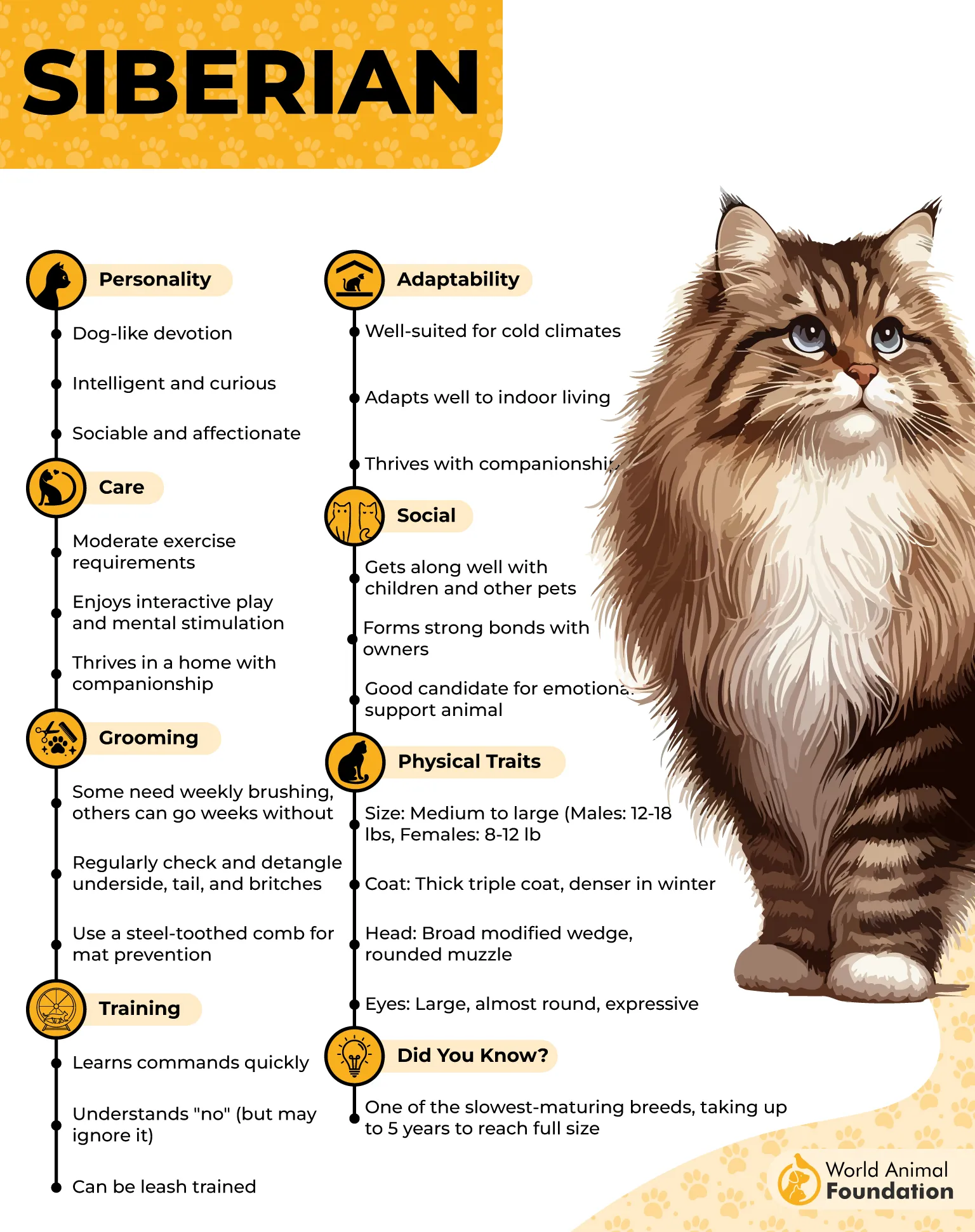
For many, the dream of owning a cat doesn’t include sneezing fits or itchy eyes. Siberian cats, known for their playful, affectionate, and relatively low-maintenance nature, often top the list for potential pet owners. However, for those who suffer from cat allergies, the question of “hypoallergenic” breeds looms large. This guide delves into whether Siberian cats live up to this coveted status, exploring the science behind cat allergies and how to manage them while coexisting with these beautiful felines. We’ll also touch upon the role of nutrition in maintaining a healthy coat, which can, in turn, help minimize dander production.
Understanding Cat Allergies and the Siberian’s Role
Cat allergies affect a significant portion of the population, with most reactions stemming from the Fel d 1 protein. This allergen is primarily found in a cat’s saliva, dander, and urine. While no cat is entirely allergen-free, Siberian cats are often classified as “hypoallergenic” due to a genetic mutation that reportedly causes them to produce lower levels of Fel d 1 compared to many other breeds. This doesn’t mean they produce no allergens, but rather a “negligible amount” that many allergy sufferers can tolerate. This is a stark contrast to breeds like the Maine Coon, Persian, and British Shorthair, which tend to be higher allergen producers. Other breeds sometimes considered more suitable for allergy sufferers include the Russian Blue, Siamese, and Sphynx, though individual reactions can still vary significantly.
Can You Still Experience Siberian Cat Allergies?
The hypoallergenic label is not a guarantee. The amount of Fel d 1 a Siberian cat produces can vary. Some studies suggest that a significant percentage of Siberians have considerably lower allergen counts than the average cat, while a small number may still exhibit higher levels. It’s crucial for individuals with allergies to spend time with the specific cat they intend to adopt before bringing them home. This direct exposure can help assess personal sensitivity. Furthermore, certain factors can temporarily increase allergen levels. For instance, unspayed or unneutered cats, particularly males, tend to produce more Fel d 1 due to reproductive hormones. Sterilization often leads to a reduction in allergen production.
Symptoms and Management During High-Allergen Periods
Even with a “hypoallergenic” breed, allergy sufferers might experience mild to moderate symptoms during periods of increased allergen production. These can include sneezing, a runny nose, itchy or watery eyes, and skin irritation. More severe respiratory symptoms like wheezing or chest tightness warrant immediate medical attention and may indicate that a particular cat is not suitable. Managing these symptoms often involves over-the-counter or prescription allergy medications, nasal sprays, and, in some cases, immunotherapy treatments. It’s always advisable to consult with a doctor or allergist for personalized advice.
Strategies for Living Harmoniously with Siberian Cats
Living with a Siberian cat when you have allergies is often achievable with a multi-faceted approach focused on minimizing exposure to dander and other allergens. This involves personal care, diligent household maintenance, and appropriate feline grooming and nutrition.
Personal Hygiene and Exposure Limitation
To reduce allergic reactions, consider these personal measures:
- Gently train your Siberian cat to avoid excessive licking or close cuddling.
- Refrain from touching your face, eyes, or nose after handling your cat.
- Wash your hands thoroughly after petting your feline companion.
- Clean the litter box regularly, as urine and feces are significant sources of allergens.
- When gardening, especially if your cat uses the outdoors as a litter box, wear gloves and a mask.
- Wash clothing, bedding, and other fabrics frequently with an allergen-removing laundry detergent.
Maintaining an Allergen-Free Home Environment
Creating an environment with reduced allergen levels is key:
- Air Quality: Install High-Efficiency Particulate Air (HEPA) filters in your home’s heating and cooling systems and use standalone HEPA air purifiers in rooms your cat frequents. Avoid using ceiling fans during shedding seasons.
- Floors and Surfaces: Vacuum carpets and upholstery at least weekly using a vacuum cleaner equipped with a HEPA filter. Consider removing carpeting and heavy drapes, which tend to trap dander and hair. Avoid using brooms and feather dusters, as they can aerosolize allergens.
- Furniture: Use furniture covers made from materials that do not easily collect allergens. Train your Siberian cat to use their own designated pet furniture instead of sofas or chairs.
Feline Grooming and Nutritional Support
Proper care of your Siberian cat’s coat plays a vital role in managing allergens:
- Coat Care: Brush your Siberian’s long, thick coat one to two times a week to maintain its health and reduce shedding. Increase brushing frequency during shedding seasons. While Siberians may tolerate bathing better than some breeds, bathe them only when necessary.
- Nutrition: A diet rich in proteins and healthy fats, such as Omega-3 fatty acids, is crucial for maintaining a lustrous and healthy coat, which can help minimize dander. A diet based on whole meats, similar to a cat’s natural prey, provides essential nutrients that strengthen fur roots and can prevent shedding-related issues and excessive dander production. Allergies to specific food ingredients can also exacerbate shedding and dander.
Optimal Diet for Minimizing Shedding and Dander
When selecting food for a Siberian cat, prioritize high-quality ingredients. The ideal cat food should consist of:
- Over 50% protein.
- Around 20% healthy fats.
- Under 3% carbohydrates.
Low-quality ingredients can not only worsen shedding and hairball problems but also contribute to serious health conditions like diabetes, obesity, and digestive issues, all of which can impact coat health and dander production. Always opt for foods where the primary protein source is whole meat, rather than ambiguous ingredients like “meat by-products” or “chicken digest.”
Untamed offers a range of vet-formulated, high-protein cat food options made with whole meat and healthy fats, specifically designed to support coat health and overall well-being. Our recipes are gently steam-cooked to preserve nutrients and flavor, making them highly palatable for even the pickiest eaters. By providing your Siberian cat with a balanced, meat-rich diet, you can contribute to a healthier coat, reduced shedding, and minimized dander production, making cohabitation with allergy sufferers much more comfortable. We offer convenient monthly subscription boxes, ensuring you always have a supply of nutritious meals for your feline companion. Explore our options and consider our trial pack to discover the Untamed difference.
