
If you’re considering bringing a Siamese cat into your home, you might be wondering about their hypoallergenic qualities. Known for their striking blue almond-shaped eyes, sleek bodies, and incredibly affectionate nature, Siamese cats are a popular choice among cat lovers. A common belief is that due to their lower shedding compared to other breeds, they might be a suitable companion for individuals with cat allergies. But how much of this is true, and what truly causes allergic reactions to cats? This article delves into the reality of Siamese cats and allergies, exploring the science behind feline allergens and how proper care and diet can help manage reactions.
Understanding Cat Allergies: It’s Not Just the Fur
The notion that cat hair itself is the primary cause of allergies is a widespread misconception. In reality, people with cat allergies typically react to proteins, most notably the Fel d 1 protein, which is produced by a cat’s sebaceous glands. These allergens are present in various bodily fluids and secretions, including:
- Urine and feces
- Saliva
- Tears
- Mucus
- Skin and dander (dead skin flakes)
Scientific studies indicate that a significant majority of individuals who experience cat allergies react to the Fel d 1 protein, with a smaller percentage being sensitive to Fel d 2 and Fel d 3 proteins, also produced by sebaceous glands. Since all cats, regardless of breed, hair length, or shedding level, produce these proteins, the concept of a truly hypoallergenic cat breed is, unfortunately, a myth.
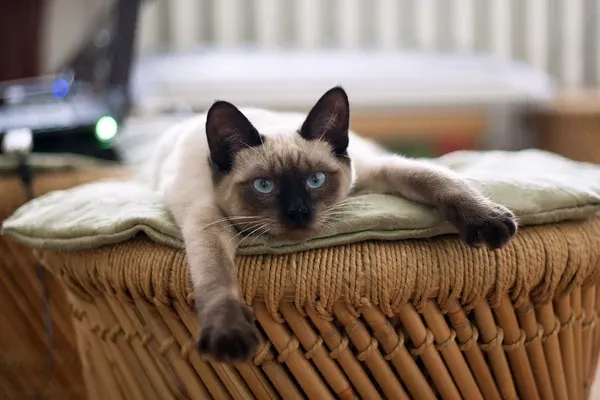
I know I shouldn’t be on the sofa, but let’s find a compromise.
Source: liliy2025
Do Siamese Cats Trigger Severe Allergic Reactions?
While no cat breed is entirely hypoallergenic, some breeds, including Siamese, Bengals, Russian Blues, Burmese, Sphynx, and Siberian cats, are believed to produce lower levels of the Fel d 1 protein. Coupled with their tendency to shed less than many other breeds, Siamese cats may elicit milder allergic responses in sensitive individuals. Because cat dander and fur are carriers of allergens, cats that shed less often appear to be a more manageable choice for people prone to allergies.
Cohabitation: Siamese Cats and Allergy Sufferers
For individuals with mild cat allergies, living with a Siamese cat can be a feasible reality. Over-the-counter antihistamines, such as loratadine, can effectively help manage common allergy symptoms like a runny nose, watery eyes, sneezing, throat irritation, and itchy skin. In some cases, it might even be possible to avoid medication altogether by implementing several precautions:
- Increase the frequency of washing linens.
- Designate your bedroom as a cat-free zone or prevent your cat from sleeping in your bed.
- Launder clothing regularly.
- Maintain a strict daily vacuuming and dusting routine.
- Use washable covers on furniture.
- Ask a non-allergic individual to groom your cat, or groom your Siamese outdoors while wearing gloves and a face mask.
However, if you experience severe allergic reactions, such as vomiting, swelling, severe asthma, or difficulty swallowing, adopting a cat is generally not recommended by medical professionals.
Optimizing Siamese Cat Care to Minimize Allergen Exposure
Proper care for your Siamese cat can significantly reduce shedding and the spread of dander, thereby minimizing allergen exposure in your home. Key aspects of care include:
- Regular Grooming: Consistent grooming is essential for removing dead fur and skin, preventing allergens from disseminating throughout your living space. Aim to brush your Siamese cat multiple times a week.
- Addressing Health Issues: Underlying health conditions can exacerbate shedding. Ensure any fungal infections, parasites, or allergies (environmental or food-related) are properly treated by a veterinarian.
- Investing in Quality Food: An inadequate diet can contribute to increased shedding and dander. Opt for high-quality cat food that supports skin and coat health.
Grooming Your Siamese Cat Effectively
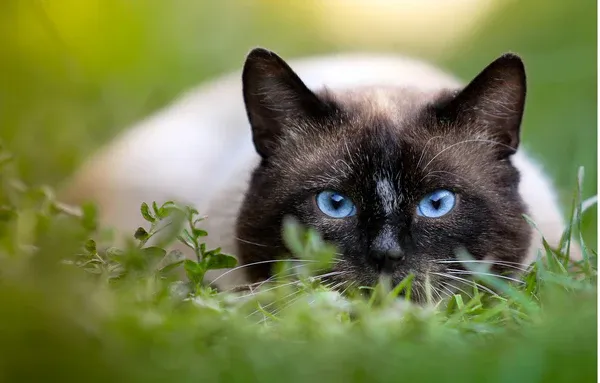
Brush away, hooman, as long as I get to spend some time outside.
Source: klimkin
To maximize the benefits of grooming and minimize allergen spread:
- Groom Outdoors: Brushing your Siamese outside helps contain loose fur and dander. Brush in the direction of hair growth using a soft bristle or rubber brush.
- Wipe Down Fur: After brushing, use a damp cloth to wipe your cat’s fur, picking up any remaining loose dander and fur.
- Regular Baths: Bathe your Siamese cat weekly. Introducing bathing early in kittenhood can help them acclimate to the process.
The Impact of Health Issues on Shedding
Certain health conditions can lead to excessive shedding in Siamese cats, including fungal infections, parasitic infestations, and various allergies. Prompt veterinary care is crucial for managing these issues and controlling shedding.
How Quality Cat Food Can Help Manage Allergies
An inappropriate diet can worsen shedding and increase allergen levels in your home. Certain ingredients commonly found in commercial cat food can be problematic for some cats, potentially leading to skin issues and increased shedding. These include:
- Additives: Artificial flavorings and colorants.
- Common Allergens: Eggs, dairy, and beef.
- Filler Ingredients: Grains like rice, corn, wheat, and soy.
To promote healthier skin and coat and reduce shedding, it’s beneficial to feed your cat food that aligns with their natural dietary needs. Cats are obligate carnivores, and their diet should primarily consist of animal proteins.
Wet Food vs. Dry Food for Siamese Coat Health
Many veterinarians recommend a diet rich in wet cat food, with at least two portions served daily. Wet food offers several advantages for coat health and overall hydration:
- Hydration: Wet food contains significantly more moisture (around 70%) compared to dry kibble (around 10%), which is crucial for cats who don’t have a strong thirst drive. Proper hydration helps maintain skin elasticity and reduces dander.
- Nutrient Content: Wet food typically has a higher protein content and can better support skin and coat health.
- Reduced Health Risks: Adequate hydration from wet food can help prevent urinary tract issues and constipation.
Dehydration, often a consequence of a dry food-only diet, can lead to a loss of skin elasticity, increased dander accumulation, and fur loss.
Minimize Siamese Cat Shedding with Untamed
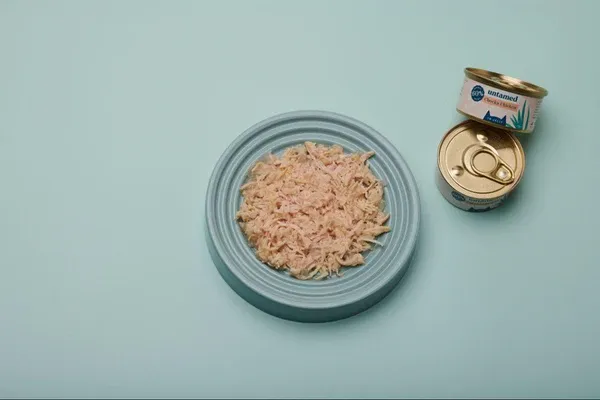
A well-balanced diet can reduce shedding in Siamese cats.
Image (c) Untamed
Managing your cat allergies can become more manageable with Untamed’s expertly formulated wet cat food. Our recipes are designed to support your feline’s overall health, nourish their skin and coat, and minimize excessive hair loss. Untamed meals are crafted with high-quality ingredients and are free from:
- Meat derivatives
- Plant proteins
- Grains
- Sugar
- Additives
The benefits of incorporating Untamed into your Siamese cat’s diet include:
| Benefits | Explanation |
|---|---|
| Exclusively Animal Proteins | Each tin contains 60% meat, offering approximately twice the protein found in many other commercial cat foods. |
| Balanced Nutrition | Developed with veterinary professionals, our recipes provide the essential nutrients for complete and balanced meals. |
| Hypoallergenic Formula | We avoid taste enhancers, preservatives, grains, dairy, and other common allergens. |
| Easily Digestible | Our minimally processed food ensures efficient nutrient absorption for your cat. |
| Fussy Cat Approved | A gentle steaming process preserves the nutritional value and delicious taste, ensuring even picky eaters will enjoy our meals. |
Explore our range and find the perfect meals for your Siamese by taking our Try Now quiz. Order a trial pack to let your cat experience the deliciousness of Untamed.
Beyond Allergies: The Holistic Benefits of Untamed
Untamed meals are beneficial for cats of all breeds, ages, and sizes, contributing to their overall well-being beyond just allergy management. Many cat parents have reported significant improvements in their felines’ shedding frequency, mood, and general health after switching to Untamed. Based on their feedback, you can anticipate the following positive effects:
- Week 1: Tidier litter box, improved digestion, and a more playful mood.
- Month 2: Normalized eating habits, increased energy levels, and a leaner, more muscular physique.
- Month 4: A lustrous coat, fewer hairballs, and reduced shedding.
- Long-Term: Easier weight management, a stronger immune system, and fewer vet visits.
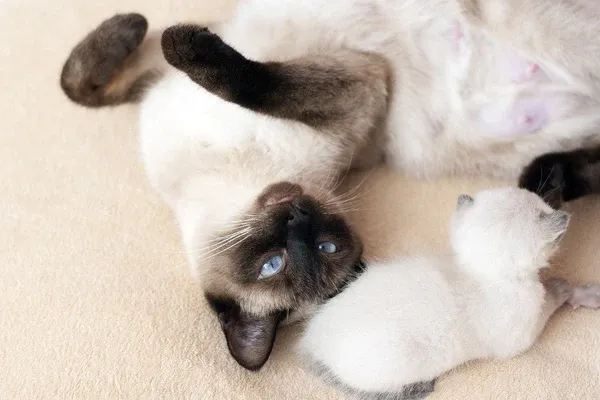
They say we will share the food soon. I’m not sure how I feel about that.
Source: liliy2025
Get Your Untamed Trial Pack Quickly
Switching to Untamed is a straightforward process:
- Complete the Try Now quiz.
- Select a suitable meal plan.
- Place your order.
Your starter pack will be delivered promptly. Once your cat approves of our recipes, you can opt for convenient monthly deliveries. Adjusting your subscription, whether postponing a delivery, changing your meal plan, or canceling your order, is easily managed through your account.
