
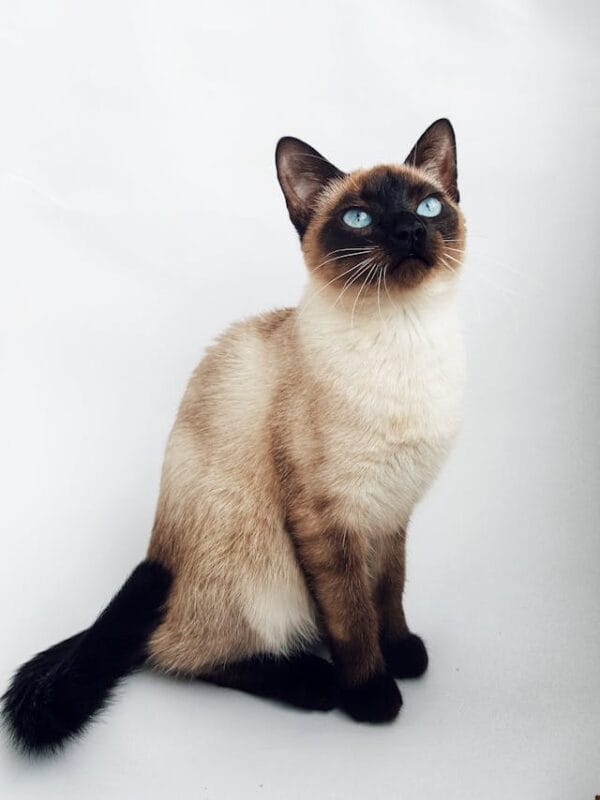
Siamese cats, with their elegant demeanor and striking appearance, are often seen as the royalty of the feline world. Originally from Thailand, these oriental cats have a long history associated with palaces and a lifestyle that demands the best. While generally healthy, Siamese cats are known to be genetically predisposed to certain health issues. This article delves into common Siamese Cat Health Problems and provides practical advice on how to ensure your feline companion enjoys a long, happy, and healthy life.
Understanding Siamese Cat Health Concerns
Siamese cats can be susceptible to both hereditary and acquired conditions. While genetic disorders cannot always be prevented, proper care, nutrition, and regular veterinary check-ups can help manage them effectively.
Genetic Health Issues in Siamese Cats
Several diseases are more common in Siamese cats due to their genetic makeup:
- Respiratory Infections: Siamese kittens are prone to lung infections, which can also affect adult cats. These infections can complicate surgical procedures due to increased sensitivity to anesthesia. Common culprits include the Feline rhinotracheitis virus and Feline calicivirus, presenting symptoms like sneezing, discharge, and sometimes ulcers. Regular vaccinations and keeping your cat indoors can help prevent these infections.
- Asthma: Approximately 1% of adult cats suffer from feline asthma, and Siamese cats appear to have a higher incidence. This chronic condition, characterized by coughing, wheezing, and difficulty breathing, can become life-threatening in severe cases due to bronchoconstriction.
- Vestibular Disease: The vestibular system in a cat’s ear is crucial for balance. When it malfunctions in Siamese cats, symptoms can include loss of balance, head tilting, disorientation, dizziness, and eye drift, making them appear disoriented. While this condition usually resolves within weeks, veterinary-prescribed anti-nausea medication can alleviate discomfort.
- Agenesis of the Upper Eyelid: Some Siamese cats have underdeveloped upper eyelids, a condition that requires management to prevent irritation and potential corneal ulcers. Treatments can range from cryoepilation (removing hair follicles) and artificial tears to surgical reconstruction or, in severe cases, eye removal.
- Progressive Retinal Atrophy (PRA): This congenital disease progressively damages the light-receptive cells at the back of the eye, leading to night blindness and eventual complete vision loss. It is passed down through generations, and while there is no cure, symptoms typically appear between 1.5 and 2 years of age, with complete vision loss occurring within two to four years.
Acquired Health Issues in Siamese Cats
Beyond genetic predispositions, Siamese cats can also develop acquired health problems:
- Feline Hyperesthesia Syndrome (FHS): Also known as twitch-skin syndrome, FHS affects Siamese, Burmese, and Abyssinian cats more commonly. It causes extreme skin sensitivity, leading to excessive licking, biting, and scratching, which can result in open wounds. Underlying causes like fungal infections, parasites, or allergies should be ruled out by a veterinarian.
- Psychogenic Alopecia: This condition, often linked to obsessive-compulsive disorder (OCD), stems from chronic stress, anxiety, or boredom. Cats may over-groom themselves to the point of fur loss. Addressing the underlying stressors through environmental changes and, in some cases, medication is crucial.
- Lifestyle-Related Illnesses: Improper diet and a sedentary lifestyle can lead to various health issues, including obesity, diabetes, and heart conditions. Ensuring a balanced diet and encouraging regular activity are key preventive measures.
Enhancing Your Siamese Cat’s Quality of Life
Providing excellent care for your Siamese cat involves focusing on key pillars:
1. Regular Exercise and Play
Mental and physical stimulation is vital. Interactive games, puzzle feeders, and a variety of toys can keep your Siamese engaged and active, even when you’re not around. Consistent playtime, even just 15 minutes daily, can significantly improve their immune system, aid in weight management, and prevent behavioral problems. A stimulating environment that allows climbing and exploration is ideal.
2. Adequate Grooming
Siamese cats shed less than many other breeds, but regular grooming is still important. Brushing their fur at least once a week in the direction of hair growth helps maintain coat health. Additionally, regular ear cleaning, nail clipping, and dental hygiene are essential. While many cats dislike baths, a gentle wipe with a damp cloth can be a pleasant pampering experience. Cat dental care is crucial for overall health.
3. Optimal Nutrition
The cornerstone of feline health is a high-quality, balanced diet. For Siamese cats, this means meals rich in animal protein (over 50%), with an appropriate amount of fat (up to 20%), and essential vitamins and minerals. Animal protein is vital for muscle growth and organ function, providing essential amino acids like taurine that cats cannot synthesize themselves.
Wet Food vs. Dry Food: While dry food is convenient and affordable, it often contains fillers, grains, and sugars that offer little nutritional value and can contribute to allergies and obesity. More importantly, dry food has a low moisture content, which can increase the risk of urinary tract infections and kidney diseases. High-quality wet food, typically containing around 75% moisture and rich in animal protein, more closely mimics a cat’s natural diet and is generally the preferred choice. Dry food can be offered as an occasional treat, especially for dental health, provided the cat consumes sufficient wet food daily.
Untamed: Nourishing Your Siamese Companion
Untamed offers cat food formulated to be close to a cat’s natural diet, free from common allergens. Our meals are crafted with high-quality, ethically sourced ingredients like chicken breast, duck, tuna, and salmon, and developed with veterinary experts to meet all nutritional needs. Our gentle cooking process preserves the natural taste and texture, appealing even to the fussiest eaters.
Benefits of Switching to Untamed:
- First week: Improved digestion and mood.
- After two months: Reduced shedding and a healthier coat.
- Long-term: Strengthened immune system, overall better health, and effective weight management.
Signing up for a tailor-made meal plan is simple: complete the “Try Now” quiz, provide your cat’s details, select their favorite recipes, and place your order. Shipments are delivered promptly, and you can easily modify or cancel your subscription anytime. Try Untamed today and provide your Siamese with the nutrition they deserve. Regular veterinary check-ups, especially for known issues like cat oral care, are essential complements to a good diet.
