
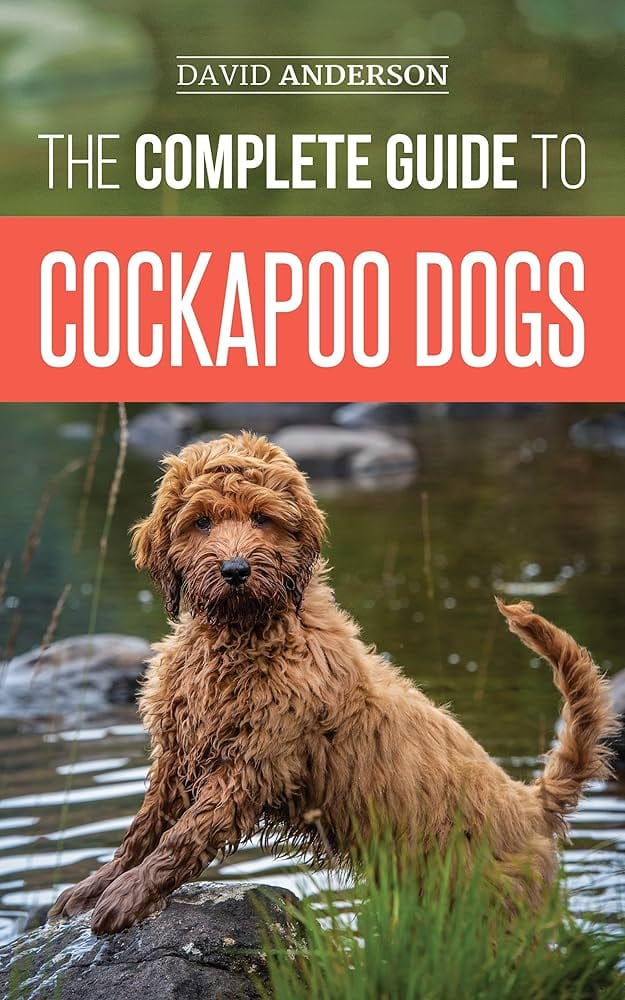
Bringing a Cockapoo puppy into your home is an exciting experience, filled with the promise of joyful companionship and endless entertainment. These charming crossbreeds, a delightful mix of the intelligent Poodle and the affable Cocker Spaniel, are renowned for their affectionate nature, playful spirit, and often, their hypoallergenic coats. Understanding their specific needs, from nutrition and training to grooming and healthcare, is crucial for ensuring they grow into happy, healthy, and well-adjusted adult dogs. This guide will walk you through the essential aspects of caring for your Cockapoo puppy, providing the knowledge you need to nurture a strong bond and a lifetime of happiness together.
Understanding the Cockapoo Breed
The Cockapoo, also known as the Cockerpoo or Spoodle, first emerged in the United States in the 1940s with the aim of creating a popular family pet that combined the best traits of both parent breeds. They are recognized for their intelligence, eagerness to please, and a generally cheerful disposition. Cockapoos come in a variety of sizes, typically ranging from miniature to standard, depending on the Poodle parent’s size. Their coats can also vary, from straight and silky to curly and wiry, though many possess a low-shedding quality that makes them a popular choice for families with allergies.
Bringing Your Cockapoo Puppy Home: The Essentials
The initial days and weeks with a new puppy are a critical period for adjustment and establishing routines. Proper preparation can make this transition smoother for both you and your new furry family member.
Puppy-Proofing Your Home
Before your Cockapoo puppy arrives, it’s essential to “puppy-proof” your home. This involves securing electrical cords, removing toxic plants, storing cleaning supplies and medications safely, and ensuring small objects that could be choking hazards are out of reach. Think of your home from a puppy’s perspective – what might they chew on or get into? This proactive approach prevents accidents and reduces stress for everyone.
Essential Supplies
Equip yourself with the necessary supplies to provide for your puppy’s immediate needs:
- Crate: A comfortable and safe den for your puppy, aiding in housetraining and providing a secure space.
- Food and Water Bowls: Stainless steel or ceramic bowls are recommended for hygiene.
- High-Quality Puppy Food: Choose a formula specifically designed for puppies, suited to their size and breed type.
- Leash and Collar/Harness: Opt for a lightweight collar with an ID tag and a comfortable harness for walks.
- Toys: A variety of chew toys, puzzle toys, and interactive toys to keep your puppy mentally stimulated and to satisfy their natural urge to chew.
- Grooming Tools: Brushes, combs, nail clippers, and puppy-specific shampoo.
- Cleaning Supplies: Enzyme cleaners are essential for effectively cleaning up accidents.
Initial Veterinary Visit
Schedule a veterinary appointment within the first few days of bringing your puppy home. Your veterinarian will perform a general health check, administer necessary vaccinations, discuss deworming protocols, and provide guidance on flea and tick prevention. This visit also establishes a relationship with a trusted professional for ongoing care.
Nutrition for Growing Cockapoos
A balanced diet is fundamental to a Cockapoo puppy’s healthy growth and development. The quality of food you provide directly impacts their energy levels, coat health, immune system, and overall well-being.
Choosing the Right Food
Look for a high-quality puppy food that lists a named meat source (like chicken, lamb, or fish) as the first ingredient. The food should be formulated for puppies and appropriate for their expected adult size. Avoid foods with artificial colors, flavors, or preservatives, and those with excessive fillers like corn or soy. If you’re unsure, consult your veterinarian for recommendations.
Feeding Schedule and Portion Control
Puppies have small stomachs and require frequent meals. Typically, puppies under six months old need to be fed three to four times a day. As they grow, this can be reduced to two meals per day. Follow the feeding guidelines on the food packaging, but adjust portions based on your puppy’s individual activity level and body condition. Avoid free-feeding, as it can lead to obesity. Always provide fresh, clean water at all times.
Treats and Training
Treats are an excellent tool for positive reinforcement training, but they should be given in moderation. Choose small, healthy treats, and factor them into your puppy’s daily caloric intake to prevent weight gain. Excessive treats can unbalance their diet and reduce their appetite for regular meals.
Training and Socialization: Building a Well-Behaved Companion
Cockapoos are intelligent and eager to please, making them highly trainable. Early training and socialization are key to developing a confident, well-behaved adult dog.
Housetraining
Housetraining requires patience and consistency. Establish a regular potty schedule, taking your puppy outside first thing in the morning, after meals, after naps, and before bedtime. Reward successful potty breaks with enthusiastic praise and a small treat. Accidents will happen, so clean them up thoroughly with an enzymatic cleaner to eliminate odors that might attract your puppy back to the same spot. Crate training can be a valuable aid in housetraining.
Basic Obedience Training
Start with basic commands like “sit,” “stay,” “come,” and “down.” Use positive reinforcement methods, such as praise, treats, and toys, to reward desired behaviors. Keep training sessions short, engaging, and fun to maintain your puppy’s attention. Consistency is vital; ensure all family members use the same commands and reward systems.
Socialization
Exposing your puppy to a variety of sights, sounds, people, and other well-behaved dogs during their critical socialization window (typically between 3 and 16 weeks of age) is paramount. This helps them develop into confident, well-adjusted dogs who are less likely to be fearful or aggressive. Enroll in a puppy socialization class, where they can safely interact with other puppies under supervision. Introduce them gradually to new experiences, ensuring each encounter is positive.
Grooming Your Cockapoo
Cockapoos, with their Poodle heritage, often have a low-shedding coat that requires regular grooming to prevent matting and maintain its health and appearance.
Brushing
Daily brushing is recommended, especially for Cockapoos with curlier coats, to prevent tangles and mats from forming. Use a slicker brush or a comb designed for long-haired dogs. Pay close attention to areas prone to matting, such as behind the ears, under the legs, and around the tail.
Bathing
Bathe your Cockapoo as needed, typically every 4-6 weeks, or when they become visibly dirty or smelly. Use a high-quality dog shampoo specifically formulated for their coat type. Ensure you rinse thoroughly to remove all soap residue, which can irritate the skin.
Professional Grooming
Many Cockapoo owners opt for professional grooming every 6-8 weeks. A groomer can provide haircuts, trim nails, clean ears, and express anal glands if necessary. Discuss the desired coat length and style with your groomer. For those looking for specific types of companion dogs, researching small mixed breed dogs for sale might offer insights into coat care similarities.
Nail Trimming and Ear Cleaning
Regular nail trims are essential to prevent overgrowth, which can cause discomfort and affect their gait. If you hear clicking on the floor, it’s time for a trim. Additionally, Cockapoos can be prone to ear infections due to their floppy ears. Check their ears weekly for redness, odor, or discharge, and clean them gently with a veterinarian-approved ear cleaner.
Health Considerations for Cockapoo Puppies
While generally healthy, Cockapoos can be predisposed to certain genetic health conditions inherited from their parent breeds. Regular veterinary check-ups and a watchful eye can help detect and manage these issues early.
Common Health Concerns
- Eye Conditions: Progressive Retinal Atrophy (PRA) and cataracts are known to affect both Cocker Spaniels and Poodles.
- Hip Dysplasia: A common orthopedic condition in many dog breeds.
- Ear Infections: Due to their ear structure, Cockapoos are susceptible to ear infections.
- Allergies: Skin allergies can manifest as itching, redness, and hair loss.
- Patellar Luxation: A condition where the kneecap dislocates.
Preventative Care
- Vaccinations: Keep up-to-date with your puppy’s vaccination schedule as recommended by your vet.
- Parasite Prevention: Implement regular flea, tick, and heartworm prevention treatments.
- Dental Care: Start dental care early by brushing your puppy’s teeth regularly with dog-specific toothpaste.
- Diet and Exercise: A healthy diet and appropriate exercise help maintain a healthy weight, reducing the risk of joint and heart problems.
Conclusion: A Rewarding Journey
Raising a Cockapoo puppy is a deeply rewarding experience that enriches your life with unconditional love and boundless joy. By providing proper nutrition, consistent training, regular grooming, and attentive healthcare, you are setting your Cockapoo up for a long, happy, and healthy life by your side. Remember that each puppy is an individual, and building a strong bond through positive interaction and understanding their unique needs will pave the way for a cherished lifelong companionship. If you’re considering adding another canine friend to your family, exploring options like toy beagle puppies for sale near me can offer diverse companionship experiences.
