
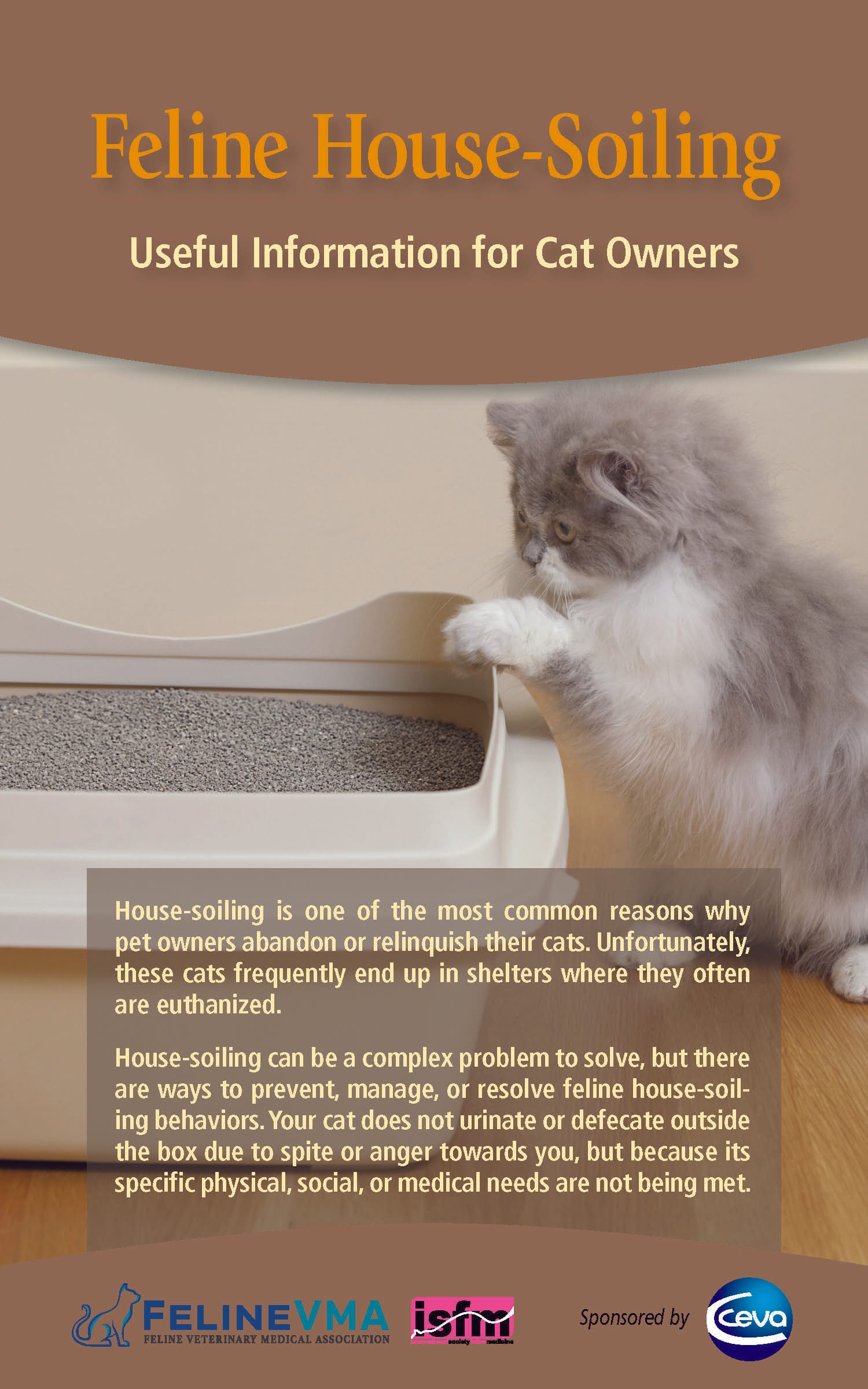
Thinking about toilet training your cat? While the idea might seem convenient or even amusing, there are several critical reasons why this practice is generally not recommended for feline companions. From health monitoring to natural instincts, understanding these drawbacks is crucial before deciding to train your cat to use a human toilet.
The Temptation of Toilet Training
The availability of cat toilet training kits and viral videos of cats using toilets can make this practice seem appealing. Some owners consider it to minimize litter box cleaning, especially in small living spaces, or simply because it appears entertaining. However, these perceived benefits often overlook significant downsides.
1. Obscuring Health Indicators
Changes in a cat’s urination frequency or volume can be early warning signs of various health issues, including diabetes, hyperthyroidism, kidney dysfunction, cystitis, dehydration, and urinary obstruction. Early detection is key to managing these conditions effectively, leading to less suffering for your cat and potentially lower veterinary costs. Litter boxes provide a clear way to monitor these changes through the size and number of urine clumps. When a cat uses a toilet, these vital health cues are lost, delaying crucial diagnosis and treatment.
2. The Risk of Toxoplasmosis Transmission
Toxoplasma gondii, the parasite responsible for toxoplasmosis, can infect cats that consume infected wildlife. While not all infected cats show symptoms, they shed infectious oocysts in their feces. Standard wastewater treatment does not eliminate these oocysts, posing a risk to aquatic wildlife and potentially humans if contamination occurs in the home. Toilet training removes the natural barrier of a litter box, increasing the risk of spreading this parasite.
3. Lid-Related Complications
Teaching a cat to perch on a toilet requires constant vigilance. The top lid must always be open, and the bottom lid down, to provide a stable surface. If the lid is left down, the cat may seek alternative, inappropriate places to relieve themselves. If the seat is left up, the cat could fall into the toilet, leading to distress and a messy situation. The possibility of a cat falling into the toilet alone is a strong deterrent against toilet training.
4. Access Issues and Stress
A toilet-trained cat needing to urinate or defecate may become stressed and have an accident if the toilet is already in use or the bathroom door is closed. This stress can lead them to find alternative, less desirable locations like carpets, beds, or laundry piles. Cats, like humans, have urgent needs, and denying them access to their designated toilet can result in behavioral problems.
5. Physical Strain and Mobility Problems
Jumping onto a toilet requires a significant leap for a cat, which can become problematic as they age or if they suffer from injuries or conditions like arthritis. Over 30% of cats over eight years old have arthritis, and this number rises to over 90% for cats over twelve. If a cat experiences pain or inability to jump, they will likely seek an alternative elimination spot. This may necessitate re-training them to use a litter box with lower sides, a process that can be challenging.
6. Against Natural Instincts
Cats have an innate instinct to bury their waste, a behavior that helps them hide their scent from predators in the wild. Litter boxes allow them to fulfill this instinct by scratching and covering their eliminations. Removing the litter box eliminates their ability to bury their waste, even if the instinct remains. This frustration can lead to increased stress, contributing to accidents and other stress-related issues.
7. Travel and Boarding Difficulties
Traveling with a toilet-trained cat can be complicated, as it requires host facilities to accommodate their unique needs. Furthermore, if your cat needs to stay at a boarding kennel or veterinary clinic, they will likely face significant challenges if they are not also accustomed to using a litter box. This lack of adaptability can create substantial problems in non-home environments.
Your Cat’s Well-being Matters
Considering these significant drawbacks, it’s clear that toilet training poses risks to a cat’s health, natural behaviors, and overall well-being. Opting for a litter box remains the most species-appropriate and health-conscious choice for feline elimination.
We encourage you to share your experiences and thoughts on cat litter box habits and feeding in our anonymous survey. Your input helps us provide better resources for cat owners everywhere.
