
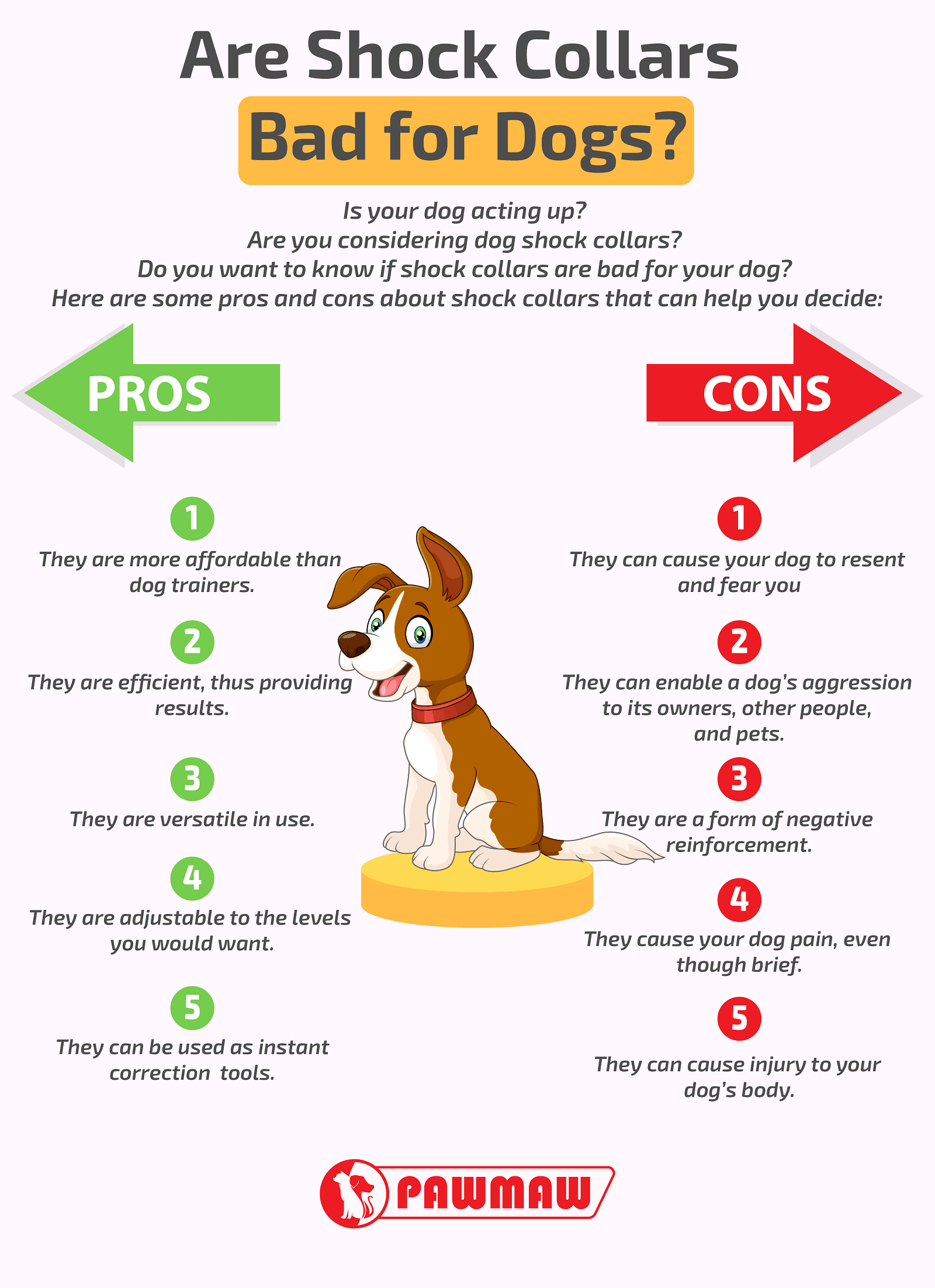
Bringing a dog into your life is a profound commitment, and the desire to ensure they are well-behaved, safe, and happy is paramount. For many owners, behavioral issues can be a source of stress, sometimes leading them to explore various training tools. Shock collars, also known by many other names such as e-collars, remote training collars, or stimulation collars, are one such tool that has become a point of contention in the dog training community. While some proponents claim they offer a quick fix for behavioral problems, a growing body of evidence and expert opinion strongly refutes their efficacy and highlights their potential for causing significant harm. This article aims to provide dog owners with evidence-based knowledge to make informed decisions regarding the use of shock collars, drawing upon the insights of veterinary behaviorists and animal welfare experts.
Shock collars typically feature two metal prongs designed to rest against a dog’s neck. These prongs deliver an electric shock when activated by a remote control, or sometimes automatically in response to barking or crossing a boundary. While owners may resort to these devices out of a sense of helplessness, believing they are saving their dog’s life, there is a stark lack of published evidence supporting this claim. Conversely, considerable peer-reviewed literature links shock collar use to behavioral harm, distress, and physical injury in dogs, with many cases potentially meeting the criteria for abuse and inhumane treatment.
Professor Carlo Siracusa, DVM, PhD, Dip, ACVB, Dip, ECAWBM, Clinical Assistant Professor of Animal Behavior at the University of Pennsylvania’s Matthew J. Ryan Veterinary Hospital, offers critical insight into why shock collars are detrimental to a dog’s learning process. He explains, “Training is a process where the dog is learning to communicate and understand what we want them to do… For training to be successful, the dog must have a relatively calm response to a stimulus presented with an intensity that does not excite or scare the animal too much. If your dog is over stimulated or aroused, they cannot learn through operant conditioning or obedience training.” This highlights that for effective learning, a dog needs to be in a receptive state, not one of fear or overstimulation induced by a shock collar.
Understanding How Dogs Learn: Positive Reinforcement vs. Punishment
To grasp the detrimental effects of shock collars, it’s essential to understand canine learning. Positive reinforcement, a cornerstone of effective and humane training, involves rewarding desired behaviors to increase their likelihood of recurrence. Trainer Donna “DJ” Willis of Pups-n-Partners succinctly explains, “if you like what your dog is doing, capture that behavior. Pay your dog for desirable behaviors.” This positive association, often with high-value motivators like food, praise, or toys, strengthens the bond between dog and owner and clearly communicates what is expected.
Punishment, on the other hand, aims to decrease undesirable behaviors by introducing an unpleasant consequence. Positive punishment, for example, involves adding something aversive after a behavior occurs. While the concept might be understood through human experiences, such as a paddling for misbehavior, its application to dogs is fraught with risks. Crucially, punishment does not teach a dog what to do instead of the problem behavior. Dogs are more likely to learn alternative, incompatible behaviors when positive reinforcement is used to mark and reward those specific actions.
The Psychological and Physical Impact of Shock Collars
Dr. Siracusa emphasizes several critical points regarding the damaging effects of shock collars:
- Avoidance and Fear Escalation: Just as humans learn to avoid situations that cause harm, dogs also react to pain and fear. However, unlike humans, captive animals like dogs on a leash cannot escape a perceived threat. When a shock collar is used in such situations, the dog may associate the pain with the presence of a stranger or another dog. This can lead to them learning that aggression or avoidance is their best defense. In other instances, shocking a dog can cause them to “freeze,” a response often misinterpreted as compliance but is, in reality, a state of intense fear where learning is impossible. This flight, fight, or freeze response can escalate aggressive behaviors.
- Increased Risk for Sensitive Dogs: Dogs with excitable or nervous temperaments are at a higher risk of developing excessive fear and aggression when subjected to shock collars. The effectiveness of punishment is heavily influenced by a dog’s individual temperament. Studies indicate that working and sporting breeds, often selected for higher arousal levels, are particularly prone to increased aggression when shock collars are used. Fear, which is the root of aggression, is exacerbated by punishment.
- Loss of Control and Owner Bond Damage: Effective punishment requires precise timing, consistency, and intensity, which are difficult to achieve with shock collars, leading to unpredictable application. Studies suggest that dogs experience lower stress levels when they have some control over aversive stimuli. With shock collars, the dog is not in control, and the negative association is often directed towards the owner. This can severely damage the human-animal bond, leading to lasting negative effects on the relationship. The goal of creating a trusting family pet is undermined by such methods.
Why Positive Reinforcement is the Superior Choice
Forcing compliance through shock methods does not foster a healthy learning environment or strengthen the human-animal bond. Even at its lowest setting, an electric shock is an unpredictable, frightening, and painful stimulus. As an aversive technique, it contributes to a dog’s overall fear, stress, and anxiety, which are often the underlying causes of many aggressive behaviors. Dogs repeatedly subjected to aversive treatment may eventually “shut down,” appearing well-behaved but merely complying to avoid discomfort rather than understanding and choosing appropriate actions. This shutdown state can be mistaken for effective training, but it represents a failure to build a partnership with the handler. Using a shock collar does not teach acceptable behaviors; instead, it can lead to a measurable increase in problematic behaviors as a consequence of the aversive treatment.
The legality of shock collars varies, with many countries having outlawed them, while they remain permissible in the United States. Public opinion and veterinary consensus are shifting, with a significant majority of dog owners and many veterinarians considering shock collars cruel and inhumane. They have observed numerous dogs suffering from injuries and behavioral damage due to their use. The desire for a “quick fix” in dog training is a common pitfall, but as Professor Siracusa wisely reminds us, “Dogs are very simple creatures, like human infants and toddlers. We need to remember to be patient and understanding, allowing our dogs strengths to develop. Find a way to obtain your goals, if possible, using what your dog likes to do. Remember to give your dog a chance to choose.”
If you are struggling with your dog’s behavior, seeking guidance from a licensed, positive reinforcement-based trainer is crucial. These professionals understand how to foster a strong human-animal bond, recognizing that pets are sensitive, capable of communication, and that relationships built on trust and mutual benefit are the most rewarding. The human-animal bond is characterized by dependence, emotional connection, and communication. To risk destroying this bond through the use of aversive tools like shock collars is a disservice to the trust your dog places in you.
This article has provided insights into the damaging effects of shock collars. For further information and resources that advocate against their use, please consult the following organizations:
- AVSAB (American Veterinary Society of Animal Behavior): avsab.org
- PPG (Pet Professional Guild): petprofessionalguild.com
- IAABC (International Association of Animal Behavior Consultants): petprofessionalguild.com
- ATD (Alliance of Therapy Dogs): therapydogs.com
- APDT (The Association of Professional Dog Trainers): apdt.com
- Welfare in Dog Training: dogwelfarecampaign.org
- PetCo: corporate.petco.com/2020-10-06-Stop-the-Shock-Petco-Ends-the-Sale-of-Electronic-Shock-Collars-Firmly-Establishes-itself-as-the-Health-and-Wellness-Company-for-Pets
References:
- Overall, K.L. (2013). Manual of Clinical Behavioral Medicine for Dogs and Cats. St. Louis, MO: Elsevier Saunders.
- Stilwell, V. (n.d.). Shock Collars.
- Friedmann, E. & Son, H. (2009). The human-companion animal bond: How humans benefit. The Veterinary Clinics of North America: Small Animal Practice, 39: 239-326.
- Friedmann, E., Son, H. & Tsai, C. (2010). The animal/human bond. Health and wellness. In Handbook on Animal-Assisted Therapy: Theoretical Foundations and Guidelines for Practice. 3rd ed., pp. 85-107. A.H. Fine, San Diego, CA: Academic Press.
- Serpell, J.A. (2000). Creatures of the unconscious: Companion animals as mediators. In Companion Animals and Us Exploring the Relationships between People and Pets. Podberscek, A.L., Paul, E.S. & Serpell, J.A. (Eds.), pp.108-121. Cambridge University Press, Cambridge.
- https://www.dogwelfarecampaign.org
- https://www.sfanimalcare.org/wp-content/uploads/2014/08/Why-We-Don%E2%80%99t-Punish.pdf
- https://www.avma.org/javma-news/2008-02-15/veterinary-behavior-society-announces-position-punishment
- https://www.whole-dog-journal.com/blog/using-shock-collars-for-dog-training-is-it-ok/
- https://www.whole-dog-journal.com/behavior/leash-barrier-reactivity/do-electric-shock-collars-harm-dogs/
