
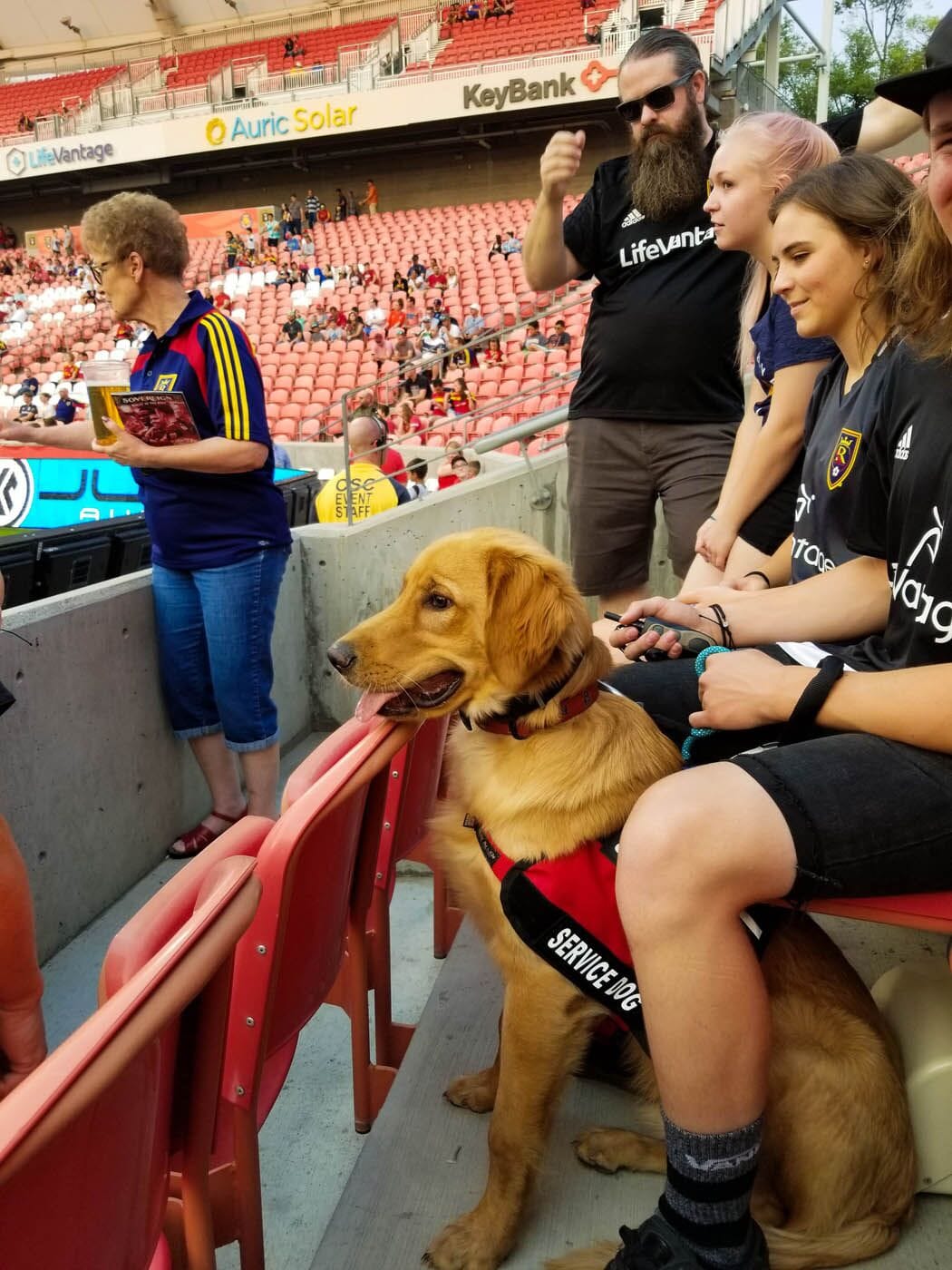
Service dogs are more than just pets; they are life-changing partners for individuals with disabilities. In Texas, the demand for highly trained service dogs is growing, and with it, the need for specialized training programs that understand the unique requirements of both the dog and their handler. This guide explores the world of service dog training in Texas, from understanding what makes a service dog to finding the right training for your needs.
Understanding Service Dogs: More Than Just a Pet
Before diving into training, it’s crucial to understand what distinguishes a service dog. Under the Americans with Disabilities Act (ADA), a service animal is defined as a dog that has been individually trained to do work or perform tasks for the benefit of an individual with a disability. This work is directly related to the individual’s disability. For example, tasks can include guiding a person who is visually impaired, alerting a person who is deaf, pulling a wheelchair, alerting and protecting a person who is having a seizure, or retrieving items such as medication. Emotional support animals, therapy animals, and comfort animals are not service animals under the ADA.
The training for a service dog is rigorous and focuses on two main areas: public access skills and task-specific training. Public access skills ensure the dog is well-behaved and unobtrusive in all public settings, regardless of distractions. Task-specific training involves teaching the dog specialized skills that directly mitigate the handler’s disability.
Finding Top-Tier Service Dog Training in Texas
Texas boasts a growing number of reputable organizations and trainers dedicated to service dog training. When searching for a program, consider these factors:
- Certifications and Affiliations: Look for trainers or organizations affiliated with recognized service dog training bodies. While there’s no mandatory federal certification for service dogs, many reputable organizations adhere to high training standards.
- Experience and Specialization: Does the trainer or organization have experience with the specific type of disability you or your loved one has? Some programs specialize in training for mobility impairments, while others focus on psychiatric service dogs or dogs for the deaf and blind.
- Training Philosophy: Understand their training methods. Positive reinforcement is widely considered the most effective and humane approach for service dog training.
- Handler Involvement: A good program will involve the handler extensively in the training process, ensuring a strong bond and effective teamwork between dog and handler. This is often referred to as dog training.
- Location and Services: Consider the proximity of the training facility. Some organizations offer intensive programs, while others provide ongoing support. For those seeking specific local assistance, services like dog training grand prairie tx or dog training southlake tx can be valuable.
The Service Dog Training Process: A Journey of Partnership
The journey of training a service dog is a collaborative effort, typically spanning several months to over a year. It generally involves the following stages:
1. Puppy Selection and Early Socialization
The foundation of a successful service dog is often laid in puppyhood. Reputable programs meticulously select puppies with the right temperament—calm, confident, adaptable, and eager to please. Early and extensive socialization is critical, exposing puppies to a wide range of environments, sights, sounds, and experiences to build their resilience and confidence.
2. Basic Obedience and Public Access Skills
This phase focuses on mastering fundamental obedience commands such as sit, stay, come, down, and heel. Crucially, it also encompasses public access training. This means teaching the dog to:
- Walk politely on a leash without pulling.
- Ignore distractions (food, other animals, people).
- Remain calm and quiet in public places.
- Navigate crowded areas and elevators.
- Discreetly alert the handler to potential hazards.
For example, a trainer specializing in every dog behavior and training reviews will emphasize consistent application of these skills in varied settings.
3. Task-Specific Training
This is where the dog learns the specific tasks that will assist their handler. This phase is highly individualized and depends entirely on the handler’s disability. Examples include:
- Mobility Assistance: Retrieving dropped items, opening and closing doors, providing counterbalance.
- Psychiatric Service Dogs: Intervening in a crisis (e.g., deep pressure therapy), alerting to an impending panic attack, fetching medication.
- Medical Alert Dogs: Alerting to changes in blood sugar levels, oncoming seizures, or other medical episodes.
- Hearing Dogs: Alerting deaf or hard-of-hearing individuals to important sounds like doorbells, smoke alarms, or a baby’s cry.
The expertise of trainers like ben austin dog trainer can be invaluable in developing these highly specialized skills.
4. Handler Training and Teamwork
Perhaps the most vital stage is training the handler to work effectively with their service dog. This involves teaching the handler how to:
- Read their dog’s body language.
- Reinforce training consistently.
- Manage the dog in public.
- Troubleshoot any behavioral challenges.
A strong bond and clear communication are paramount for a successful service dog team. This ongoing partnership is what makes programs like dog training in burleson tx or other local services so important for continued success.
Legal Rights and Responsibilities of Service Dog Handlers in Texas
In Texas, as across the United States, service dogs are granted specific access rights under federal law (ADA). This means service dogs are generally permitted in public accommodations, including restaurants, shops, hotels, and public transportation, regardless of a “no pets” policy. However, handlers also have responsibilities:
- Control: The handler must maintain control of the dog at all times, typically via a harness or leash, unless doing so would interfere with the dog’s ability to perform its tasks.
- Hygiene and Behavior: The dog must be house-trained and well-behaved. If a service dog is out of control or not house-trained, the handler may be asked to remove the dog.
- Proof of Disability: While establishments cannot ask for documentation or proof that the animal is a service animal, they can ask two specific questions: (1) Is the dog a service animal required because of a disability? and (2) What work or task has the dog been trained to perform?
It’s essential for handlers to understand these rights and responsibilities to navigate public spaces confidently and respectfully.
The Future of Service Dog Training in Texas
As our understanding of canine capabilities and the needs of individuals with disabilities evolves, so too does service dog training. Advancements in positive reinforcement techniques, understanding canine cognition, and innovative task training are continually enhancing the effectiveness and well-being of service dog teams. Organizations and trainers across Texas are committed to staying at the forefront of these developments, ensuring that individuals with disabilities have access to the best possible canine partners to foster independence and improve their quality of life. Whether you are seeking a dog for yourself or a loved one, exploring options for Service Dog Training Texas will connect you with dedicated professionals ready to embark on this rewarding journey.
