
Embarking on the journey of training a service dog is a profound commitment, offering life-changing assistance and companionship to individuals with disabilities. In St. Louis, Missouri, a growing community of dedicated trainers and organizations are committed to shaping these remarkable animals into reliable partners. Whether you’re considering bringing a service dog into your life or seeking professional guidance for an existing canine, understanding the nuances of training in the St. Louis area is crucial. This comprehensive guide will delve into the world of service dog training in St. Louis, MO, covering everything from initial considerations and training methodologies to local resources and legal aspects.
Understanding Service Dogs: More Than Just a Pet
Before diving into the specifics of training, it’s essential to clarify what distinguishes a service dog from a therapy or emotional support animal. Service dogs are specifically trained to perform tasks that directly mitigate a person’s disability. These tasks can range from retrieving dropped items and providing balance support to alerting to medical episodes like seizures or diabetic fluctuations. Unlike therapy dogs, which offer comfort and affection in settings like hospitals or nursing homes, or emotional support animals, which provide comfort by their presence, service dogs are working animals with specialized skills. In St. Louis, as elsewhere, understanding this distinction is key to accessing appropriate training and public access rights.
The Training Journey: A Comprehensive Approach
Training a service dog is a multi-stage process that requires patience, consistency, and expertise. While some individuals opt for owner-training, many find the guidance of professional trainers invaluable.
Early Foundation: Socialization and Basic Obedience
The cornerstone of any successful service dog program begins with rigorous socialization and a strong foundation in basic obedience. Puppies and young dogs must be exposed to a wide variety of environments, sounds, sights, and people in a positive and controlled manner. This early exposure helps them develop into confident, well-adjusted adults capable of working in diverse public settings.
Basic obedience commands—such as sit, stay, down, come, and leave it—are fundamental. These commands not only establish a clear line of communication between dog and handler but also form the building blocks for more complex service-related tasks. In St. Louis, trainers emphasize positive reinforcement methods, which encourage desired behaviors through rewards like treats, praise, and play, fostering a trusting and enjoyable training experience for the dog.
Task-Specific Training: Equipping Your Service Dog
Once a solid foundation is established, training progresses to the specific tasks the dog will perform. This phase is highly individualized, tailored to the handler’s unique needs and disability.
- Mobility Support: For individuals with mobility impairments, training might include teaching the dog to help with balance, retrieve dropped objects, open doors, or even assist with transferring.
- Medical Alert: Dogs can be trained to detect subtle physiological changes associated with medical conditions such as diabetic hypoglycemia, impending seizures, or oncoming allergic reactions. This involves scent training and recognizing specific body cues.
- Psychiatric Service: For individuals with psychiatric disabilities, service dogs can be trained to interrupt self-harming behaviors, provide deep pressure therapy during anxiety attacks, remind their handler to take medication, or guide them through disorienting experiences.
Professional Service Dog Training St Louis Mo facilities often employ a systematic approach, breaking down complex tasks into smaller, manageable steps. This ensures the dog masters each component before progressing, building confidence and reliability.
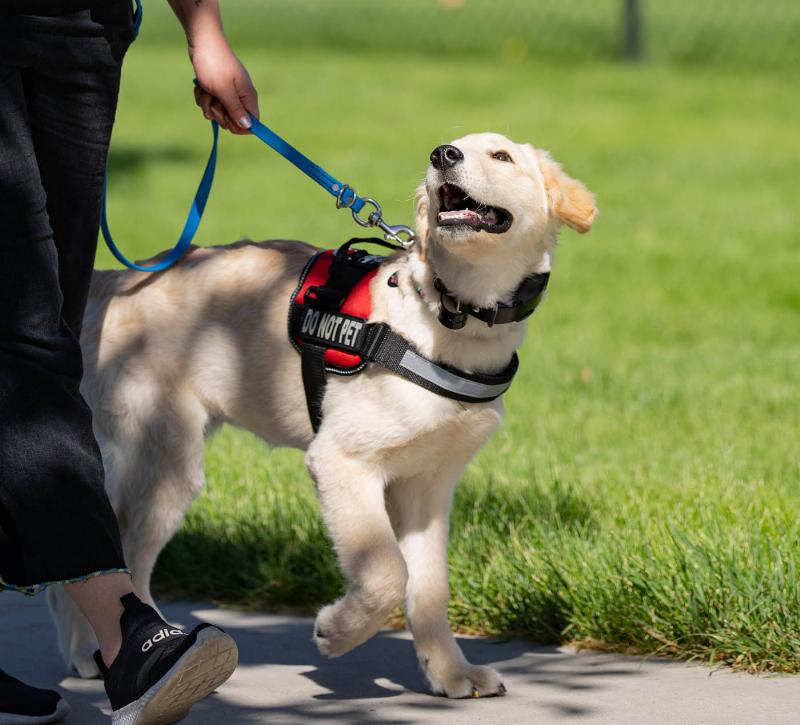 expert service dog training in St. Louis for mobility tasks
Finding Reputable Service Dog Trainers in St. Louis
Selecting the right trainer or organization is paramount. When searching for service dog training st louis mo resources, consider the following factors:
- Certifications and Affiliations: While there isn’t one overarching government certification for service dog trainers, many reputable trainers hold certifications from organizations like the Certification Council for Professional Dog Trainers (CCPDT) or are members of professional associations. Look for trainers who specialize in service dog work.
- Training Philosophy: Ensure the trainer uses humane, positive reinforcement-based methods. Avoid trainers who advocate for harsh or punitive techniques, as these can damage a dog’s confidence and willingness to work.
- Experience and Track Record: Inquire about their experience training dogs for specific disabilities similar to yours. Ask for references or testimonials from past clients.
- Program Structure and Support: Understand the training program’s duration, cost, and what support is provided throughout the process. A good program will offer ongoing support even after training is completed.
- Public Access Training: A crucial aspect of service dog training is ensuring the dog is well-behaved and unobtrusive in public spaces. A reputable trainer will dedicate significant time to public access training, preparing the dog for various environments like restaurants, shops, and public transportation.
Local St. Louis Resources for Service Dog Training
Several organizations and trainers in the St. Louis metropolitan area offer services related to service dog training. While this list is not exhaustive and direct inquiries are always recommended, potential clients might explore:
- Specialized Service Dog Organizations: Some non-profits focus specifically on training and placing service dogs with individuals with disabilities. These organizations often have rigorous screening processes for both dogs and handlers.
- Professional Dog Trainers with Service Dog Expertise: Many private dog trainers in St. Louis have dedicated programs for service dog training. It’s important to vet these trainers thoroughly as mentioned above.
For those seeking to train a PTSD service dog or learn about training a ptsd service dog, specific trainers with experience in psychiatric service work are available. Similarly, if you are looking for dog trainer louisville ky services, while not in St. Louis, it highlights the need to search locally for available expertise. The principles of certified professional dog trainer certification are universally applicable when seeking qualified professionals.
Legal Rights and Public Access
Understanding the legal framework surrounding service dogs is vital for handlers. In the United States, the Americans with Disabilities Act (ADA) provides protections for individuals with disabilities who use service animals. Under the ADA, a service animal is defined as a dog that has been individually trained to do work or perform tasks for the benefit of an individual with a disability.
- Public Access Rights: Individuals with service dogs have the right to access public places that are generally open to the public. This includes stores, restaurants, hotels, and public transportation.
- Limitations: Businesses can only ask two questions: (1) Is the dog a service animal required because of a disability? and (2) What work or task has the dog been trained to perform? They cannot ask about the person’s disability, require medical documentation, or demand that the dog demonstrate its task.
- Behavioral Standards: Service dogs must be house-trained and under the handler’s control at all times. If a service dog is out of control and the handler does not take effective action to control it, or if it is not house-trained, it may be excluded.
Navigating these rights can sometimes be challenging. Trainers experienced in service dog training st louis mo can offer guidance on handler rights and responsibilities, helping to ensure smooth public access experiences.
The Emotional and Practical Benefits
The impact of a well-trained service dog extends far beyond the practical tasks they perform. For many, a service dog provides:
- Increased Independence: By assisting with daily tasks, service dogs empower individuals to live more independently and with greater confidence.
- Enhanced Safety and Security: Medical alert and psychiatric service dogs offer a critical layer of safety, providing early warnings and support during challenging moments.
- Reduced Stress and Anxiety: The presence of a trained service dog can significantly reduce anxiety and stress, offering a sense of calm and companionship.
- Social Facilitation: Service dogs can act as social bridges, sometimes making interactions with others easier and fostering connections within the community.
The investment in service dog training st louis mo is an investment in a better quality of life, offering a unique partnership built on trust, skill, and unconditional support.
Conclusion: Your Partner in Service Dog Training
The journey of training a service dog is rewarding, and St. Louis offers a supportive environment with knowledgeable professionals to guide you. By understanding the commitment involved, selecting a reputable trainer, and being aware of your rights, you can lay the groundwork for a successful partnership. Whether you’re just beginning to explore the possibility of a service dog or are seeking advanced service dog training louisville ky (though local St. Louis expertise is advised), the key lies in dedication, consistency, and the expertise of those who understand the profound bond between humans and their working canine companions.
Frequently Asked Questions about Service Dog Training in St. Louis:
Q1: How long does it take to train a service dog in St. Louis?
A1: The training duration for a service dog typically ranges from 18 months to 2 years, depending on the dog’s age, breed, individual learning pace, and the complexity of tasks required.
Q2: Can I train my own dog to be a service dog in St. Louis?
A2: Yes, owner-training is permissible under the ADA. However, it requires a significant commitment to learning about dog behavior, positive reinforcement techniques, and task-specific training. Many owner-trainers seek guidance from professional service dog training st louis mo experts to ensure they are on the right track.
Q3: What are the costs associated with service dog training in St. Louis?
A3: Costs can vary widely. Organizations that train and place dogs may have significant fees, often covering the extensive training and care provided. Private professional trainers might charge per session or offer package deals, which can range from several hundred to many thousands of dollars, depending on the program’s intensity and duration.
Q4: Are there specific breeds that make better service dogs?
A4: While certain breeds like Labrador Retrievers, Golden Retrievers, and Standard Poodles are popular for their temperament, trainability, and intelligence, many breeds can become successful service dogs. The individual dog’s temperament, health, and suitability for the work are more critical than breed alone.
Q5: What is the difference between a service dog and a therapy dog in St. Louis?
A5: Service dogs are trained to perform specific tasks for an individual with a disability and have public access rights under the ADA. Therapy dogs provide comfort and affection in various settings but do not have the same public access rights and are not trained for specific task work related to a disability.
