
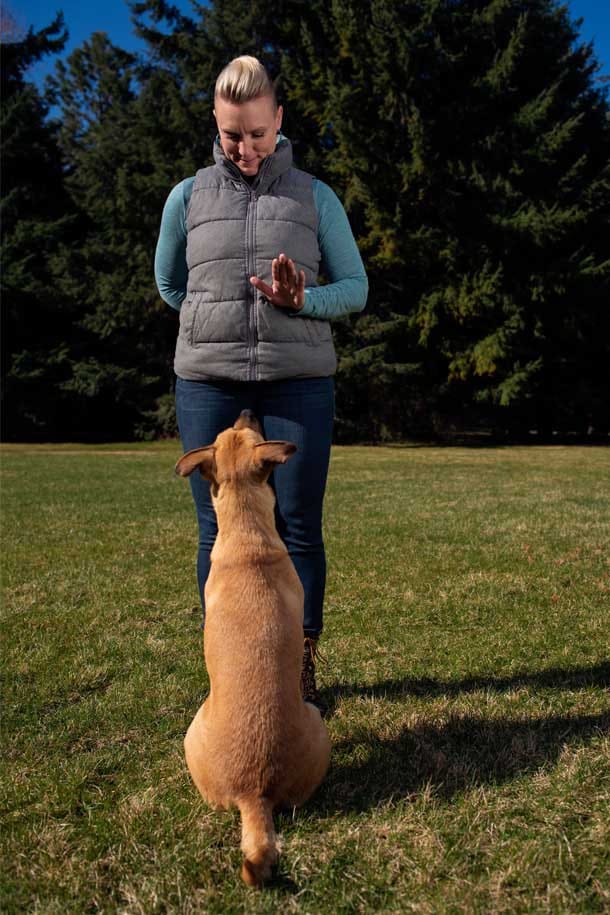
For individuals living with disabilities, a service dog is not just a pet; it’s a lifeline. These highly trained canine partners perform specific tasks that mitigate their handler’s disability, granting them newfound independence and confidence. If you’re in the Lilac City, navigating the world of Service Dog Training Spokane Wa can feel overwhelming. This comprehensive guide will walk you through the process, from understanding legal definitions to finding the right training path for you and your future canine partner.
The journey to a fully trained service dog is one of commitment, patience, and specialized education. Unlike emotional support animals or therapy dogs, service dogs are granted public access rights under the Americans with Disabilities Act (ADA), allowing them to accompany their handlers into places where pets are typically not allowed. This privilege is earned through rigorous training that ensures they are well-behaved, focused, and capable of performing their essential duties without causing disruption. Exploring the options for dog training spokane wa is the first crucial step in this life-changing endeavor.
The Crucial Difference: Service Dog, ESA, and Therapy Dog
Before diving into training, it’s vital to understand the distinct roles these assistance animals play, as they have different legal standings and functions. Misrepresentation is a significant issue, so clarity is key.
Service Dogs
A service dog is individually trained to do work or perform tasks for a person with a disability. The task performed by the dog must be directly related to the person’s disability. This can include anything from guiding a visually impaired person, alerting a deaf handler to sounds, or calming a person with Post Traumatic Stress Disorder (PTSD) during an anxiety attack. They are protected by the ADA.
Emotional Support Animals (ESAs)
An Emotional Support Animal provides comfort and therapeutic benefit to an individual with a mental or emotional disability. They are not required to have any specific training to perform tasks. Their legal protections are limited primarily to housing under the Fair Housing Act and are not granted the same public access rights as service dogs.
Therapy Dogs
Therapy dogs are trained to provide comfort and affection to people in various facilities like hospitals, nursing homes, and schools. They are not service dogs and do not have public access rights. They go with their owners to volunteer in settings where their presence is pre-approved.
The Path to a Trained Service Dog in Spokane
In Spokane, as in the rest of the United States, there are two primary pathways to obtaining a fully trained service dog: acquiring a dog from a dedicated program or undertaking the training yourself with the guidance of a professional.
Program-Trained Service Dogs
Many organizations specialize in raising and training service dogs from puppyhood for specific disabilities.
- Pros: These dogs are often bred for temperament and health, and they receive comprehensive, expert training from day one. The success rate is typically very high.
- Cons: The cost can be substantial, often ranging from $20,000 to $50,000, and waitlists can be several years long.
Owner-Trained Service Dogs
The ADA permits individuals with disabilities to train their own service dogs. This is a rewarding but challenging path that requires immense dedication.
- Pros: This route allows for a deep bond to form between the handler and the dog from the beginning. It can also be a more financially accessible option, though professional guidance is still highly recommended.
- Cons: The responsibility for all aspects of training falls on the owner. It’s a significant time investment and requires a deep understanding of dog behavior, learning theory, and public access standards. Many owner-trainers find success by enrolling in foundational dog training classes spokane before moving on to specialized tasks.
Key Qualities of a Service Dog Candidate
Not every dog is cut out to be a service dog. Selecting the right candidate is arguably the most critical step in the owner-training process. Key traits to look for include:
- Temperament: A calm, confident, and non-reactive demeanor is essential. The dog should be eager to please but not overly dependent or anxious.
- Health: The dog must be in excellent physical condition, as the job can be demanding. Genetic health clearances for the breed are crucial.
- Age and Breed: While many breeds can succeed, Labradors, Golden Retrievers, and Poodles are common for their intelligence and stable temperaments. It’s often easier to start with a puppy, but sometimes the right adult rescue dog can be a perfect fit. If you’re wondering about an older canine, the principles of whether can an older dog be trained still apply, though you must carefully assess their health and ingrained behaviors.
What Does Service Dog Training Involve?
The training process is multi-faceted, extending far beyond simple “sit” and “stay.” It’s a comprehensive education that prepares the dog for any situation they might encounter while working.
Foundational Obedience
This is the bedrock of all service dog work. The dog must have flawless manners and be under the handler’s control at all times. This includes a rock-solid heel, stay, down, and recall, regardless of distractions. Many aspiring handlers join a group like a spokane dog training club to build these core skills in a controlled environment with distractions.
Public Access Training
Public access training is what truly sets service dogs apart. The dog must learn to navigate the world calmly and unobtrusively. This involves exposure to a wide variety of environments:
- Busy city streets with traffic noise
- Grocery stores and shopping malls
- Restaurants and cafes
- Public transportation
- Medical offices and airports
The goal is for the dog to remain focused on its handler and ignore distractions, from dropped food to loud noises or curious strangers.
According to Dr. Eleanor Vance, a certified applied animal behaviorist, “Public access is not about teaching a dog to tolerate the world; it’s about teaching them to be an invisible, seamless extension of their handler. The dog’s focus must be absolute, ensuring safety and efficacy in every environment.”
Task-Specific Training
This is the final, crucial piece of the puzzle. The dog is trained to perform specific, measurable tasks that directly mitigate the handler’s disability. Examples include:
- For Mobility Assistance: Retrieving dropped items, opening doors, providing balance support.
- For Psychiatric Support: Applying deep pressure therapy during a panic attack, creating a physical barrier in crowds, interrupting disassociative episodes.
- For Medical Alert: Alerting to impending seizures, diabetic blood sugar lows/highs, or allergens.
This phase of service dog training Spokane WA is highly individualized and requires creativity and a deep understanding of the handler’s needs.
Finding a Reputable Trainer in Spokane
For owner-trainers, partnering with a qualified professional is not just helpful; it’s essential. A good trainer provides structure, helps troubleshoot problems, and ensures you are on the right track to meet public access standards.
When searching for a trainer or program like lilac city dog training spokane, look for:
- Certifications and Experience: Look for trainers certified by reputable organizations (e.g., CCPDT, IAABC) who have specific experience with service dogs.
- Positive Reinforcement Philosophy: Modern, ethical training uses positive reinforcement methods. Avoid any trainer who advocates for punitive tools like prong or shock collars, as these can create fear and anxiety, which are detrimental to a service dog’s stability.
- Transparency: A good trainer will be open about their methods, costs, and what you can realistically expect from the training process.
- Focus on the Handler: The trainer should be teaching you how to train and handle your dog, empowering you to be a confident and effective team leader.
Frequently Asked Questions (FAQ)
How much does service dog training cost in Spokane?
The cost varies dramatically. Program-trained dogs can cost $20,000+. For owner-training, the cost of the dog plus professional training fees, gear, and vet care can still amount to several thousand dollars over 1-2 years.
How long does it take to fully train a service dog?
On average, it takes 18 to 24 months to train a service dog from puppyhood to full working status. This includes basic obedience, socialization, public access skills, and task-specific training.
Do I need to register my service dog in Washington?
No. Under the ADA, mandatory registration or certification of service animals is not required. Vests and ID cards are optional tools used by handlers but are not legally necessary.
Can any dog breed be a service dog?
While certain breeds are more common, any dog, regardless of breed, can be a service dog as long as it has the right temperament and can be trained to perform the required tasks. The dog’s individual characteristics are more important than its breed.
What tasks can a psychiatric service dog (PSD) perform?
PSDs can be trained in a wide variety of tasks, including tactile stimulation and deep pressure therapy to ground a handler during a panic attack, guiding a handler out of a triggering situation, searching a room for intruders before entry, and reminding a handler to take medication.
Your Journey to Independence
Embarking on the path of service dog training Spokane WA is a significant commitment, but the reward is immeasurable. A well-trained service dog can open up the world for a person with a disability, providing not only practical assistance but also unwavering companionship and a renewed sense of freedom. Whether you choose to work with a program or train your own canine partner with professional guidance, the result is a partnership built on trust, communication, and mutual respect. This journey is more than just training a dog; it’s about forging a bond that will truly change your life.
