
Understanding your options for service dog training schools near you is crucial for ensuring your canine partner receives the best possible education. Service dogs undergo rigorous training to perform specific tasks that assist individuals with disabilities, and choosing the right training program is a significant step in this journey. This comprehensive guide will explore what makes a great service dog training school, what to expect during the process, and how to find the most suitable facility for your needs.
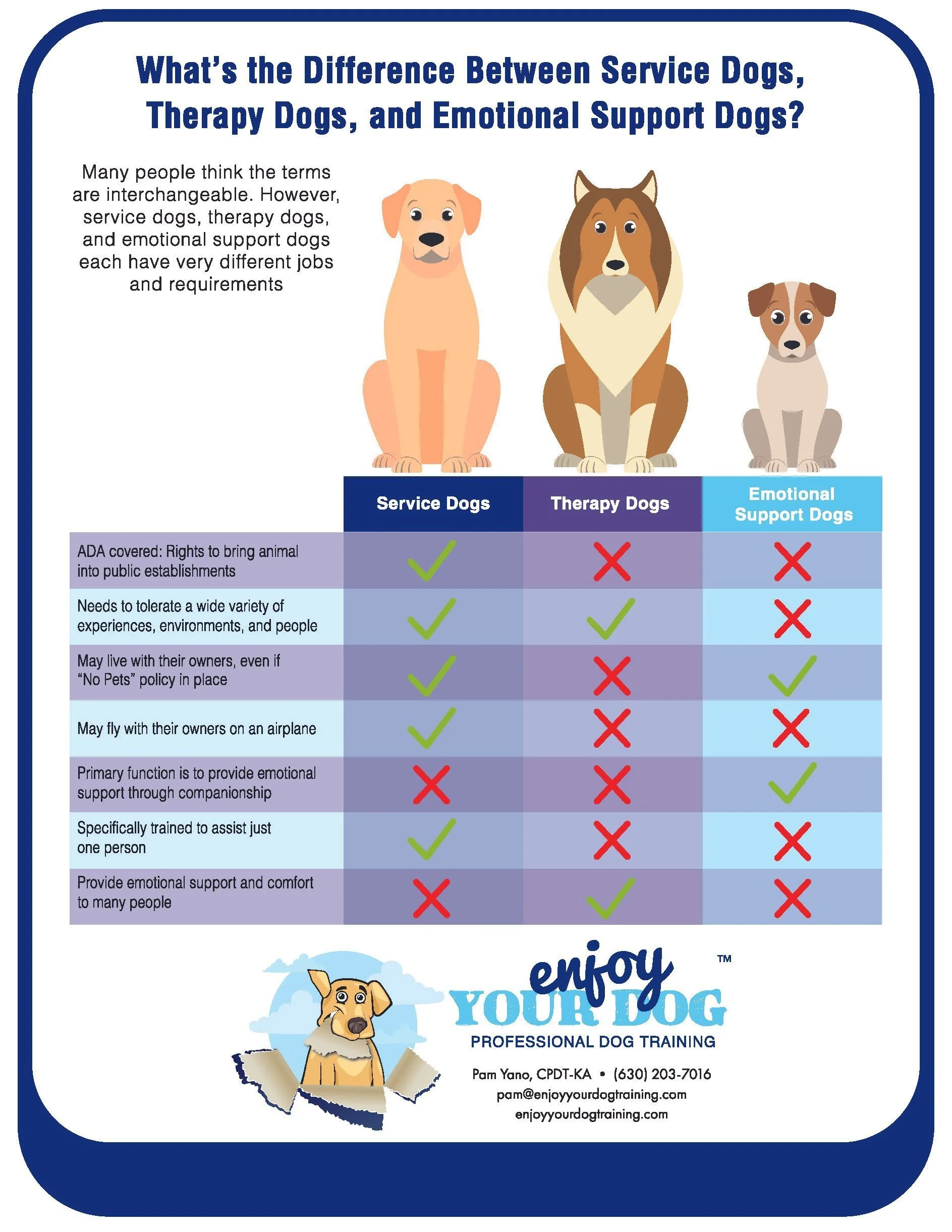
Service dogs are highly specialized animals, distinct from emotional support or therapy dogs. They are trained to perform tasks directly related to a person’s disability, such as retrieving dropped items, providing balance support, alerting to medical conditions, or opening doors. The selection and training process are intensive, demanding a high level of skill from both the dog and the trainer. Therefore, partnering with reputable training schools is paramount.
What to Look for in a Service Dog Training School
When searching for Service Dog Training Schools Near Me, it’s essential to evaluate several key factors to ensure quality and effectiveness. The best schools prioritize the well-being of the dogs, the success of the handler-dog team, and adhere to ethical training practices.
1. Trainer Expertise and Certifications
Look for schools with certified professional dog trainers (CPDT-KA, CPDT-KSA) or those with specific accreditations in service dog training. Experience in working with various disabilities and breeds is also a significant advantage. A trainer’s ability to adapt methods to individual dogs and handlers is a hallmark of expertise.
2. Training Philosophy and Methods
Reputable schools employ positive reinforcement-based training methods. These techniques focus on rewarding desired behaviors, building a strong bond between dog and handler, and avoiding harsh or punitive measures. Understanding the school’s approach to socialization, desensitization, and task training will give you insight into their effectiveness.
3. Program Structure and Curriculum
A comprehensive service dog training program should cover:
- Basic Obedience: Ensuring a solid foundation of commands.
- Advanced Obedience: Generalization of commands in various environments.
- Task Training: Teaching specific behaviors to mitigate a disability.
- Public Access Skills: Training the dog to behave appropriately in public spaces.
- Handler Training: Equipping the owner with the skills to manage and maintain the dog’s training.
Inquire about the duration of the program, the number of training sessions, and what is included. Some schools offer in-person training, while others may have hybrid models.
4. Facility and Environment
Observe the training environment. Is it clean, safe, and stimulating? Does the school have adequate space for training and socialization? A well-maintained facility reflects a commitment to the dogs’ welfare.
5. Client Testimonials and Success Rates
Seek out schools with positive reviews and testimonials from past clients. Hearing about the experiences of others who have successfully partnered with a service dog from a particular school can be very informative.
6. Legal and Ethical Compliance
Ensure the school is aware of and complies with relevant laws and regulations regarding service animals, such as the Americans with Disabilities Act (ADA) in the United States. They should educate handlers on their rights and responsibilities.
The Service Dog Training Process
The journey to a fully trained service dog is a commitment that involves time, dedication, and resources. While each school may have a slightly different approach, the core components remain consistent.
1. Assessment and Intake
The process typically begins with an assessment of both the potential service dog and the handler. This involves evaluating the dog’s temperament, trainability, and suitability for service work, as well as understanding the handler’s specific needs and disability.
2. Foundational Training
This phase builds a strong obedience foundation. Dogs learn to respond reliably to commands in a variety of settings, from quiet home environments to busy public places. This stage is critical for ensuring the dog is a safe and dependable partner.
3. Task-Specific Training
Once basic obedience is mastered, training shifts to the specific tasks the dog will perform. This could involve anything from retrieving medication to providing deep pressure therapy. Trainers work closely with handlers to identify and teach the most beneficial tasks for their unique situation.
4. Public Access Training
This is a crucial and often lengthy part of the process. The dog learns to remain calm, focused, and well-behaved in public environments such as stores, restaurants, and public transportation. This includes desensitizing the dog to distractions and teaching them to ignore stimuli that are not relevant to their tasks.
5. Handler Training and Teamwork
The handler is an integral part of the team. Training sessions will involve the handler learning how to cue the dog, reinforce learned behaviors, manage the dog in public, and understand their dog’s cues and needs. The goal is to foster a seamless partnership.
6. Graduation and Ongoing Support
Upon successful completion of the program, the team graduates. However, many reputable schools offer ongoing support, refresher courses, or advanced training opportunities to ensure the partnership remains strong throughout the dog’s working life.
Finding Service Dog Training Schools Near You
To locate service dog training schools near me, consider the following strategies:
1. Online Search Engines
Utilize search engines with specific terms like “service dog training schools,” “assistance dog training programs,” or “disability dog training” combined with your location. Refine your search to include terms like “positive reinforcement” or “certified trainers” to filter results.
2. Professional Organizations
Organizations dedicated to service dogs often maintain directories of accredited or recognized training programs. Examples include Assistance Dogs International (ADI) or various national and regional service dog advocacy groups.
3. Veterinary Clinics and Pet Professionals
Your veterinarian or local dog trainers may have recommendations for reputable service dog training facilities in your area. They often have a network of trusted professionals.
4. Support Groups and Online Communities
Connect with local or online support groups for individuals with disabilities. Members often share valuable resources and personal experiences with training programs.
Costs and Funding
Service dog training can be a significant investment. Costs can vary widely depending on the program’s length, the school’s reputation, and the specific training involved. Some organizations offer scholarships or financial aid, and it’s worth exploring potential funding through grants, foundations, or even specific disability-related programs. Be wary of programs that promise unusually low costs, as this may indicate a compromise in training quality or ethical standards.
Ethical Considerations and Handler Responsibilities
Choosing a school is just one part of the equation. As a handler, you have responsibilities to ensure your service dog is well-trained and managed. This includes:
- Continuous Training: Reinforcing learned behaviors and practicing public access skills regularly.
- Dog’s Well-being: Ensuring the dog receives proper veterinary care, nutrition, exercise, and socialization.
- Public Etiquette: Understanding and adhering to ADA guidelines regarding service dogs, including not allowing the dog to relieve itself inappropriately in public or interact with others without permission.
- Professionalism: Representing the service dog community responsibly.
When looking for service dog training schools near me, remember that the most important factor is finding a program that builds a strong, reliable partnership between you and your dog, empowering you to live a more independent life. The investment in quality training is an investment in your freedom and well-being.
