
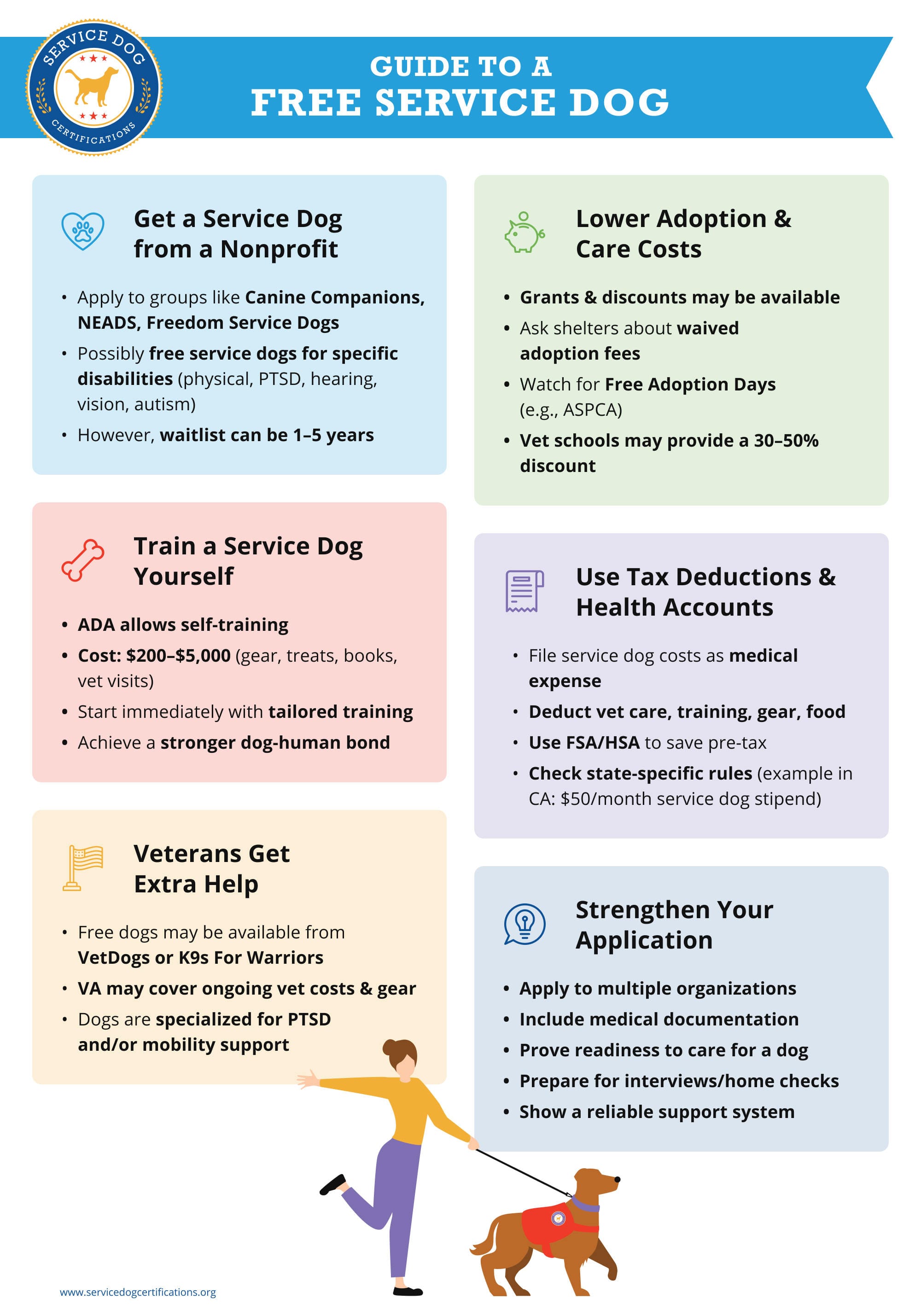
The journey to finding the right Service Dog Training School is a significant one, impacting both the individual and their future canine partner. This guide aims to demystify the process, offering insights and actionable advice for those seeking professional training services. Whether you’re looking for a school for yourself or a loved one, understanding the key factors involved is crucial for success. Navigating the options can seem daunting, but with the right information, you can make an informed decision that sets you on the path to a well-trained service dog.
Understanding Service Dogs and Their Training
Service dogs are highly specialized working animals trained to perform specific tasks for individuals with disabilities. Unlike emotional support animals or therapy dogs, service dogs are legally recognized and protected under laws like the Americans with Disabilities Act (ADA) in the United States. This distinction means they are permitted in public places where other animals are not. The training for a service dog is rigorous, intensive, and typically takes a significant amount of time, often spanning one to two years. This extensive training covers not only basic obedience but also a wide array of task-specific behaviors tailored to the handler’s needs.
The Role of a Service Dog
Service dogs are trained to mitigate the effects of a person’s disability. These tasks can range widely. For individuals with mobility impairments, a service dog might be trained to retrieve dropped items, open doors, or provide balance support. For those with hearing impairments, a service dog can alert them to sounds like doorbells, alarms, or a baby’s cry. Individuals with psychiatric disabilities might have a service dog trained to detect oncoming panic attacks, provide deep pressure therapy, or interrupt self-harming behaviors. The capabilities of a service dog are diverse and are always customized to the specific needs of the handler.
What to Expect from a Reputable Training Program
A reputable service dog training program will be transparent about its methods, success rates, and the qualifications of its trainers. They will likely have a thorough application process to ensure a good match between the dog and the handler, as well as the dog’s suitability for service work. You should expect clear communication regarding the training timeline, costs, and what is included. Ethical programs prioritize the well-being of the dog, ensuring they are healthy, temperamentally sound, and not overworked. They will also provide ongoing support and follow-up after the dog has been placed with its handler. Learning more about service dog training schools can provide a solid foundation for your search.
Key Factors When Choosing a Service Dog Training School
Selecting the right training school is paramount. Several critical factors should guide your decision-making process to ensure you find a program that aligns with your needs and ethical standards. It’s not just about finding a school, but the right school for you and your future service dog.
Accreditation and Certifications
While there isn’t a single, overarching government-mandated accreditation for all service dog training organizations in the US, many reputable organizations seek accreditation from independent bodies. Look for schools that are members of organizations like Assistance Dogs International (ADI) or other recognized professional associations. These accreditations often indicate that the school adheres to strict ethical guidelines and high training standards. Always inquire about any certifications the trainers hold, such as those from the Certification Council for Professional Dog Trainers (CCPDT) or the Karen Pryor Academy.
Trainer Experience and Specialization
The experience of the trainers is a vital consideration. How long have they been training service dogs specifically? Do they have experience with the type of disability you have? A trainer’s expertise in specific task training (e.g., mobility assistance, psychiatric support, medical alert) is crucial. Don’t hesitate to ask about their training philosophy and methods. A good trainer will use positive reinforcement techniques and have a deep understanding of canine behavior and learning theory. Understanding that you can train a dog at any age is also important, as some schools may focus on older dogs.
Program Structure and Curriculum
Inquire about the specifics of the training program. Does it involve owner-trainer programs where you work alongside trainers with your own dog, or do they provide a fully trained dog? What is the curriculum? Does it cover basic obedience, advanced task training, public access manners, and handler training? A comprehensive program will address all these areas. Some programs may offer specialized tracks for different types of disabilities. The goal is to find a program that offers the most comprehensive and tailored approach.
Cost and Funding
Service dog training is a significant investment. Understand the total cost involved, including training fees, the cost of the dog (if applicable), equipment, and ongoing support. Ask what is included in the price and what potential additional costs might arise. Some organizations offer payment plans or financial assistance, and it’s worth exploring options like grants or non-profit organizations that may help with funding. Be wary of programs that seem significantly cheaper than others, as this could indicate lower standards.
Location and Logistics
Consider the school’s location. Will you need to relocate or travel frequently for training sessions? Some programs are intensive and require you to be on-site for extended periods. If you are considering an owner-trainer program, assess the commute and the time commitment required for regular sessions. For those looking for programs closer to home, searching for “service dog training schools near me” can be a good starting point.
The Training Process: What to Expect
The training process for a service dog is multifaceted, involving the dog, the handler, and the trainers. It’s a partnership that requires dedication from all parties involved.
Canine Selection and Temperament Testing
If the school provides dogs, they will have a rigorous selection process. This involves extensive temperament testing to ensure the dog possesses the stability, confidence, and willingness to learn necessary for service work. Factors like environmental soundness, reaction to stress, and social skills are carefully evaluated. If you are bringing your own dog, the school will assess its suitability for service dog training.
Task Training and Generalization
Task training is the core of service dog education. This involves teaching the dog specific actions to assist their handler. Once a task is learned in a controlled environment, trainers work on generalization – teaching the dog to perform the task reliably in various settings and under different distractions. This is crucial for a service dog to be effective in the real world.
Public Access Training
Public access training is critical for service dogs. This teaches the dog to behave appropriately in public environments, such as restaurants, stores, and public transportation. It involves desensitization to common distractions, maintaining a calm demeanor, and understanding cues from the handler. A dog that passes public access tests is considered ready for public life.
Handler Training
Handler training is as important as dog training. You will learn how to cue your dog, manage their behavior, read their signals, and maintain their training. This includes understanding your rights and responsibilities as a handler, as well as how to advocate for yourself and your service dog in public. Learning from experienced trainers can significantly boost your confidence and effectiveness. Resources like “training the best dog ever” can offer insights into effective training methodologies.
Questions to Ask a Potential Service Dog Training School
To ensure you make an informed choice, prepare a list of questions to ask potential schools. This will help you compare programs and gauge their suitability.
About the Dogs:
- What breeds do you typically train as service dogs, and why?
- Where do your dogs come from (e.g., reputable breeders, rescues)?
- What health and temperament screenings do you perform on your dogs?
- What is the average age of dogs when placed with handlers?
About the Training Program:
- What is your training methodology?
- What specific tasks can your dogs be trained to perform?
- What is the typical duration of the training program?
- What does the public access training involve?
- What kind of support do you offer after placement?
- What are the qualifications and experience of your trainers?
About Costs and Logistics:
- What is the total cost of the program, and what does it include?
- Are there any additional costs I should be aware of?
- Do you offer payment plans or financing options?
- What are the requirements for handler training?
The Path to Partnership
Finding a service dog training school is more than just a transactional process; it’s the beginning of a transformative partnership. By thoroughly researching your options, asking the right questions, and understanding the commitment involved, you can find a program that will help you and your service dog build a successful and fulfilling future together. Remember, becoming a proficient handler is a skill that develops over time, and choosing the right school is the crucial first step on this rewarding journey. If you’re passionate about canine education, you might even consider how to “become a service dog trainer” yourself, though this requires extensive experience and dedication.
